

Governance Mechanisms Regulating Tacit Relationship Transfer in High Value Enterprise Accounts
Structured bilateral shadowing and trailing compensation splits institutionalize tacit commercial history to protect enterprise accounts during handovers.

Structured bilateral shadowing and trailing compensation splits institutionalize tacit commercial history to protect enterprise accounts during handovers.

Dual class structures separate voting control from economic equity, using charter transfer rules and automatic conversions to protect management authority.

Tactical drag quantifies the productive labor lost when uncalibrated executive intrusions force operational teams to suspend work for defensive alignment.

Executive override paths allow officers to countermand delegated authority, stabilizing existential enterprise threats while risking managerial operational paralysis.

Progressive multi stage access controls transfer client administrative rights through sequential observational, supervisory, and sovereign cryptographic tiers.

Informal task absorption permanently impairs executive governance when tactical administrative triage consumes over forty percent of weekly supervisory hours.

Operational drift erodes strategic decision-making by steadily displacing executive governance hours with unmeasured frontline delivery firefighting.

Early account handovers succeed when predecessors systematically transfer commercial concession rights while severing informal client communication channels.

Informal operational absorption drains executive capacity when unassigned operational exceptions migrate upward, fragmenting strategic concentration through persistent triage.
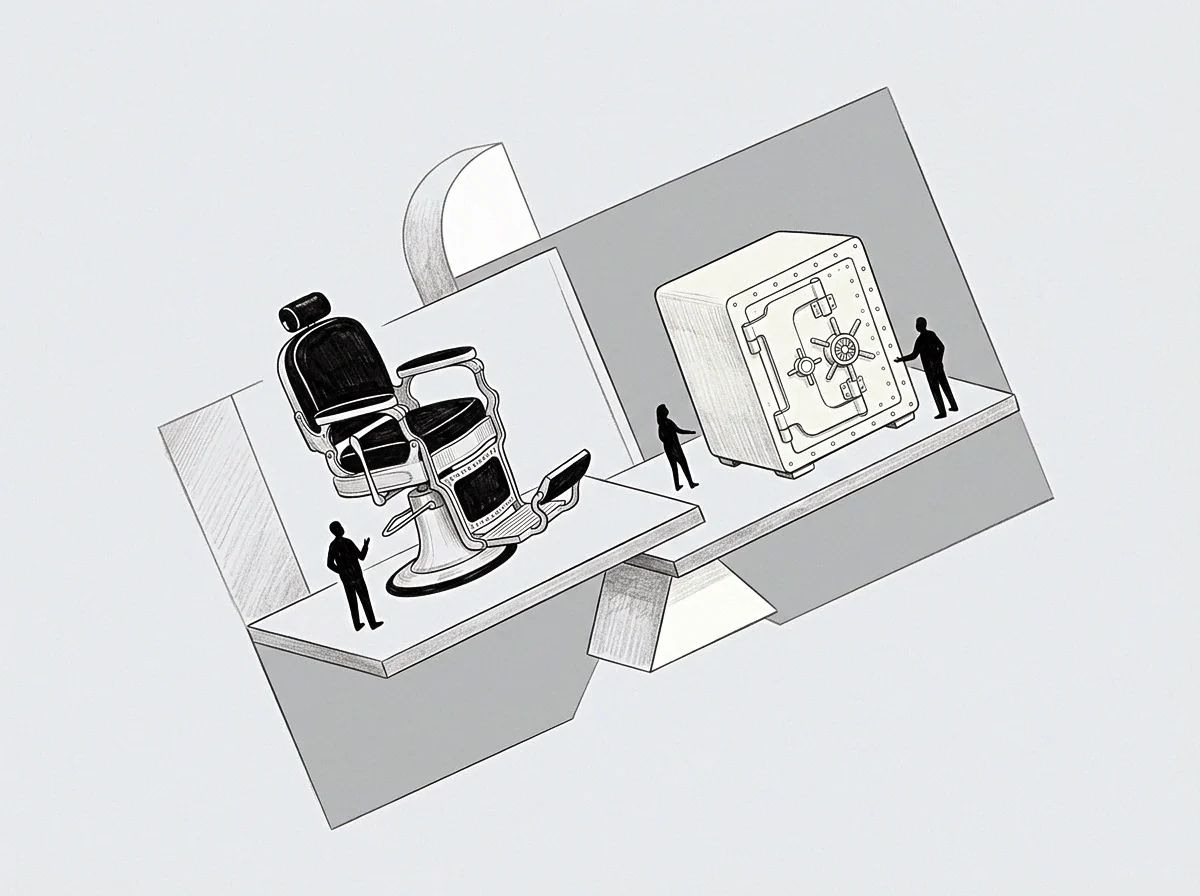
Shared operational governance depresses equity valuation through decision friction while accelerating executive attrition when dual authority boundaries remain unstated.

Enterprise client trust transfers from founders to operating teams when structural escalation paths and binding commercial authority replace personal covenants.

Client authority perception settles on whoever controls commercial concession speed rather than title during account executive succession.

Early stage equity recapitalizations limit preferred investor vetoes through monetary spend thresholds, pay-to-play sunsets, and deemed consent mechanisms.

Sunset trigger clauses automatically convert super-voting founder equity into ordinary single-vote common stock upon specified operational, temporal, or transfer events.

Formal service agreements convert tacit operational workload into priced capacity, preventing equity dilution from absorbing uncompensated operational labour.

Class B equity charters assign high-vote share multiples to founding partners, separating operational voting control from underlying cash distribution rights.

Executive seat delineation decouples technical execution from operational management and corporate governance through formal charters and bounded authority.

Account continuity relies on phased operational scaffolding, explicit concession audits, and absolute severance of legacy communication channels.

Contractual escrow redemptions resolve silent equity disputes by enforcing pre-agreed valuation formulas and binding neutral expert determination.
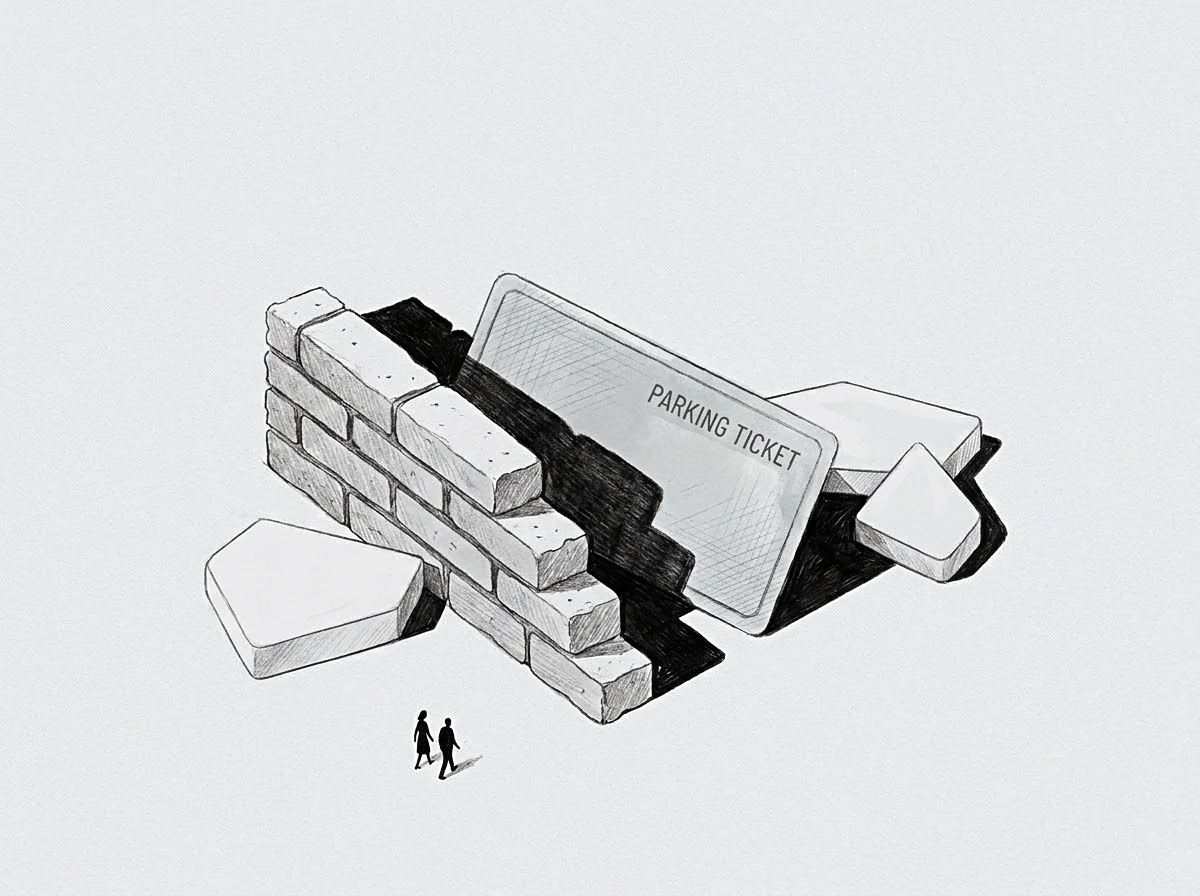
Contractual waivers of fiduciary loyalty in Delaware corporations are statutorily void, exposing inside down-round recap syndicates to entire fairness review.

A power of attorney coupled with an interest enables corporate officers to execute stock transfer certificates when absent shareholders fail to sign repurchases.

A redemption mechanic enforces the structured corporate repurchase of inactive minority equity through pre-agreed valuation formulas and installment notes.

Executive role drift depresses long-term equity value by masking unrecorded operational costs and triggering severe acquirer transferability discounts.

Legacy shareholder backchannels bypass incoming executive authority by rerouting strategic inquiries through former leadership, dividing corporate control.

Structured board covenants protect equity value by confining investor inquiries to scheduled cadences, preserving vital executive operational bandwidth.

Entire fairness review scrutinizes conflicted recapitalizations for fair dealing and fair price when interested venture directors participate on both sides.

Valuation discounts from founder operational dependence equal replacement management compensation plus capitalization rate premiums reflecting structural risk.

Written observer agreements restrict contact channels, redact sensitive operating data, and preserve executive autonomy by terminating attendance upon breach.

Contractual restructuring decouples founder operator labor from underwater equity through priority carveouts, retention notes, and formal seat separation.

Statutory class voting rights stop corporate charter amendments that alter share powers or authorizations without approval from the affected stock class.
The terms are written where they belong. Each field holds three desks, and every entry a desk writes raises the terms it uses, each term given a meaning, a mechanism and the places it appears. The record on these pages stays first person and hand made; the fields grow the nomenclature.