

Managing Operational Account Handovers During Deferred Equity Transitions
Operational account handovers during deferred equity transitions require binding stock releases to verified client documentation milestones rather than calendar vesting.

Operational account handovers during deferred equity transitions require binding stock releases to verified client documentation milestones rather than calendar vesting.

Milestone ratchets grant turnaround operators equity tranches as operational targets, net debt reductions, and cash flow hurdles are achieved.

Contractual allocation of operational friction assigns post-transfer revenue shortfalls between buyer and seller using holdback escrows and indemnities.

In distressed restructurings variable equity allocation models adjust ownership percentages based on senior creditor recovery rates and post workout operating targets.
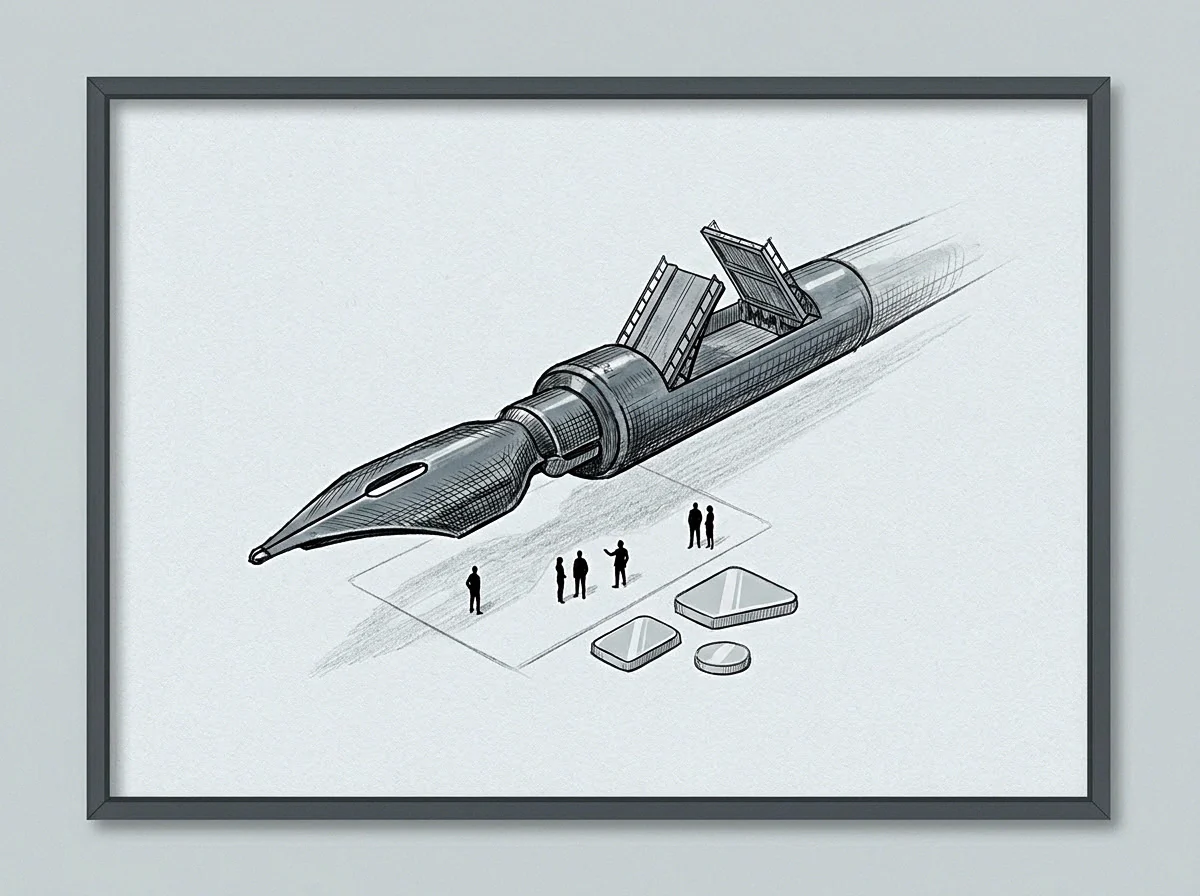
Dynamic equity agreements lose statutory enforceability in corporate restructuring when unissued dynamic points collide with senior creditor priority rules.

Deferred founder equity conversion creates valuation friction when historical equity pricing formulas outlast operational executive authority.

Trigger based phase down charters transfer defined executive authority to a successor in discrete tranches tied to verified operational metric thresholds.

Decoupling executive authority from founder equity isolates operational management inside formal delegation matrices while preserving economic share capital rights.

Executive judgment codifies through structured extraction of decision thresholds and calibrated simulation rather than static operating manuals.

Extracting tacit founder decision rules into explicit operational heuristics eliminates key person acquisition discounts by proving institutional autonomy.

Restricted stock repurchase options specify board rights to buy back equity using fixed valuation triggers during executive transitions and realignments.

Early founder cap table discrepancies are resolved by auditing historical promises, pricing past effort, and executing binding share repurchase or debt conversion releases.

Dual-class founder shares collapse into single-vote common stock when founder equity holdings drop below defined capital commitment thresholds.

Informal power structures yield to functional role codification when operational decision routing moves from personal consultation to explicit structural sign-off.

Codifying tacit operational workflows into explicit seat definitions eliminates key person dependency discounts during small business equity transactions.

Delaware General Corporation Law permits eliminating separate class voting on share count increases through an express opt-out clause under Section 242(b)(2).

Decoupling technical founders from execution deficits requires formal operational partitioning, production access revocation, and intermediate technical leadership.

Decoupling operational knowledge transfer from public executive transition calendars prevents compressed handovers and validates successor performance before exit dates are set.
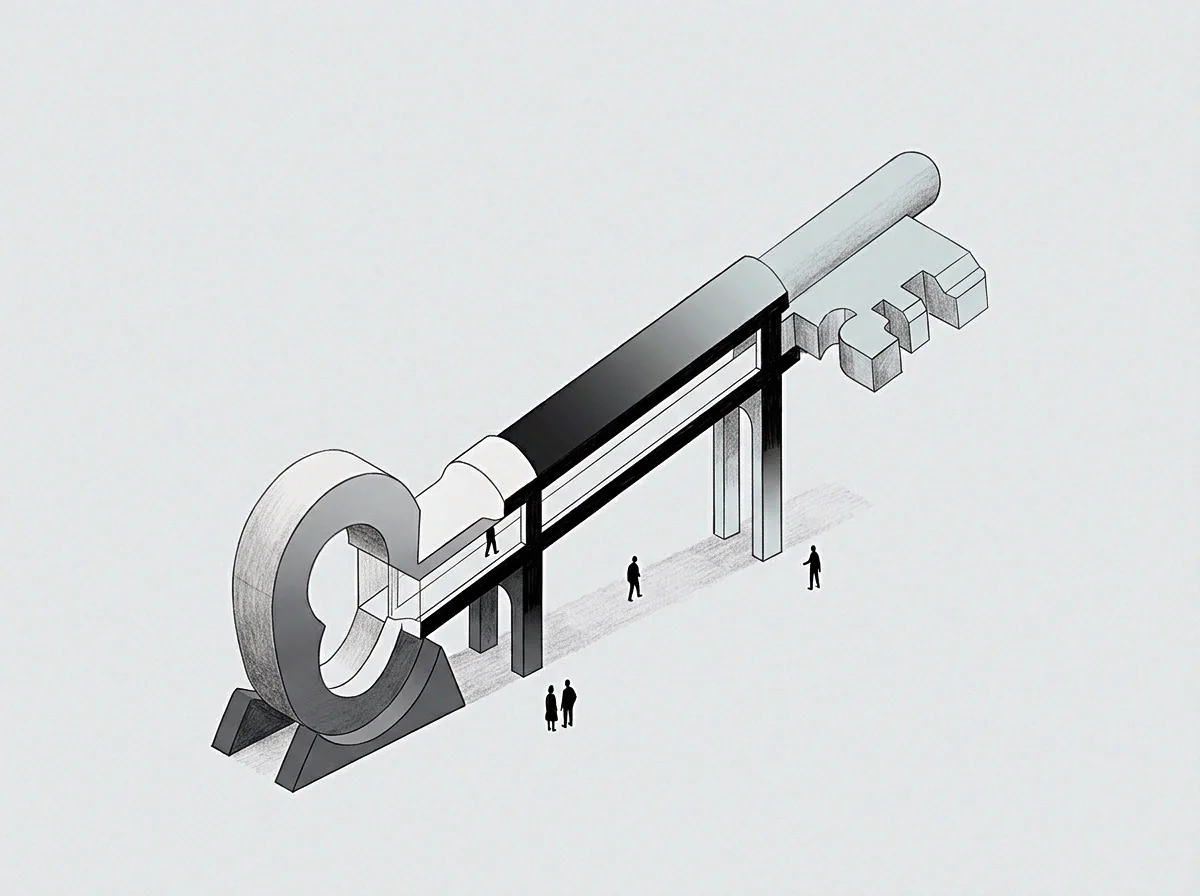
Non-voting stock allocates corporate economic participation to key operators while preserving governance authority and board election control among founding equity holders.

Sweat equity vests over time against immediate capital contributions using replacement wage valuation models and contractual share repurchase options upon departure.

Unfunded capital demands break voting deadlocks when operating agreements convert debt injections into senior voting equity.

Tacit knowledge friction during technical founder exits generates measurable operational drag, solvable by structured codebase audits and explicit seat boundary terms.

Deconstructing executive roles separates title-based decision rights into distinct functional operating seats with explicit operational cadences and transferrable knowledge.

Single founders protect proprietary assets by pairing reverse equity vesting schedules with conditional, milestone-based intellectual property licensing agreements.

Relinquishing technical execution seats transfers direct software authoring to engineering staff, establishing architectural leverage and scalable velocity.

Codifying unwritten client expectations requires documenting implicit communication rhythms and decision heuristics before transferring account authority to successors.

Converting executive founder common equity into non-voting preferred shares separates historic ownership value from ongoing corporate governance control.

Operational authority transfers through scheduled migrations of administrative spending limits, binding signatory powers, and codified commercial protocols.

Clean executive engineering reporting seams separate architectural execution from capital allocation using explicit capacity contracts and strategic risk translation.

Separating technical labor from firm governance requires pricing operational labor at market rates, isolating weekly hours, and formalizing independent decision rights.
The terms are written where they belong. Each field holds three desks, and every entry a desk writes raises the terms it uses, each term given a meaning, a mechanism and the places it appears. The record on these pages stays first person and hand made; the fields grow the nomenclature.