

Valuation Offsets For Uncodified Process Atrophy In Equity Earnt Out Operator Transition Contracts
Uncodified process atrophy reduces transaction value by converting departed operator routines into replacement overhead against earn-out targets.

Uncodified process atrophy reduces transaction value by converting departed operator routines into replacement overhead against earn-out targets.
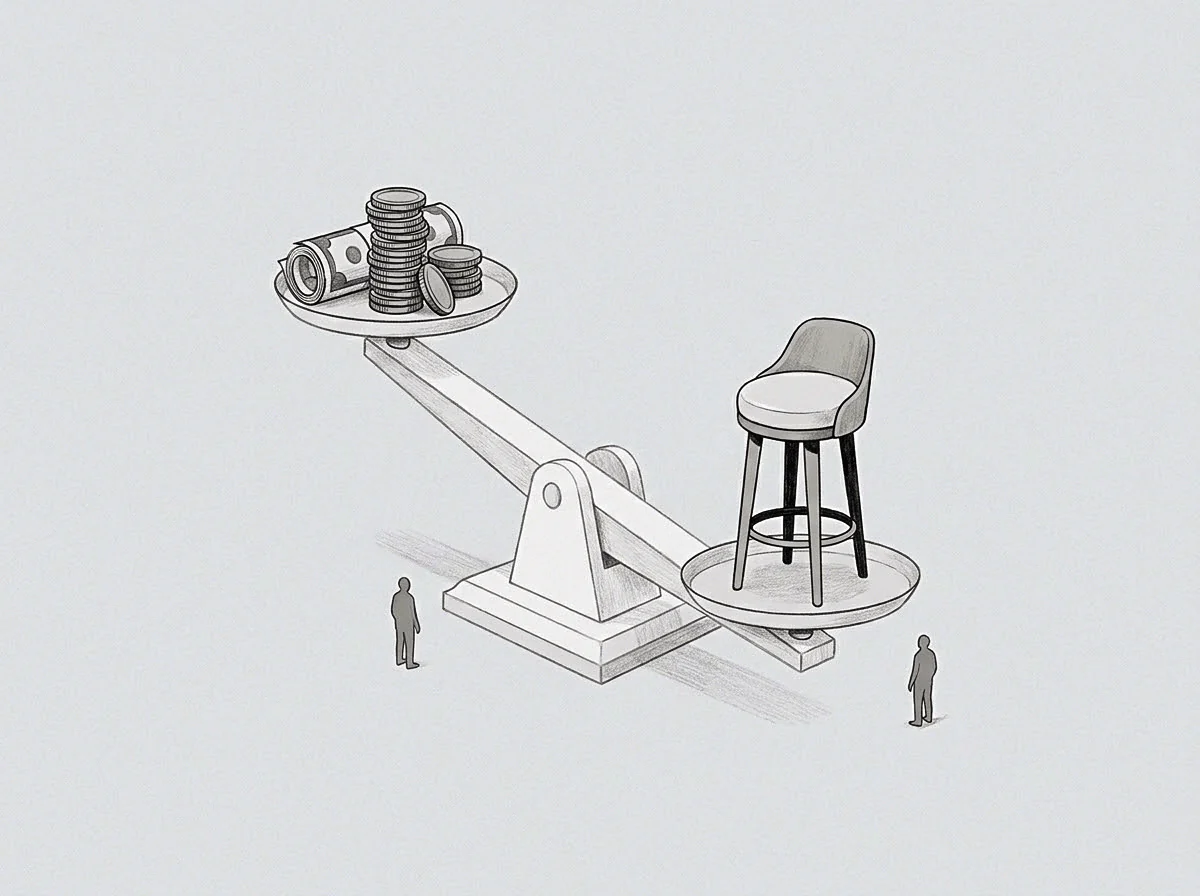
Mandatory compensation recapture actions require independent directors to calculate and collect errantly awarded incentive pay regardless of officer fault.

Operational directives remain insulated when legal governance delegates executive authority through binding board charters and contracts.

Structuring holdback provisions around explicit codification milestones prevents buyer execution failure caused by unwritten seller work patterns post acquisition.
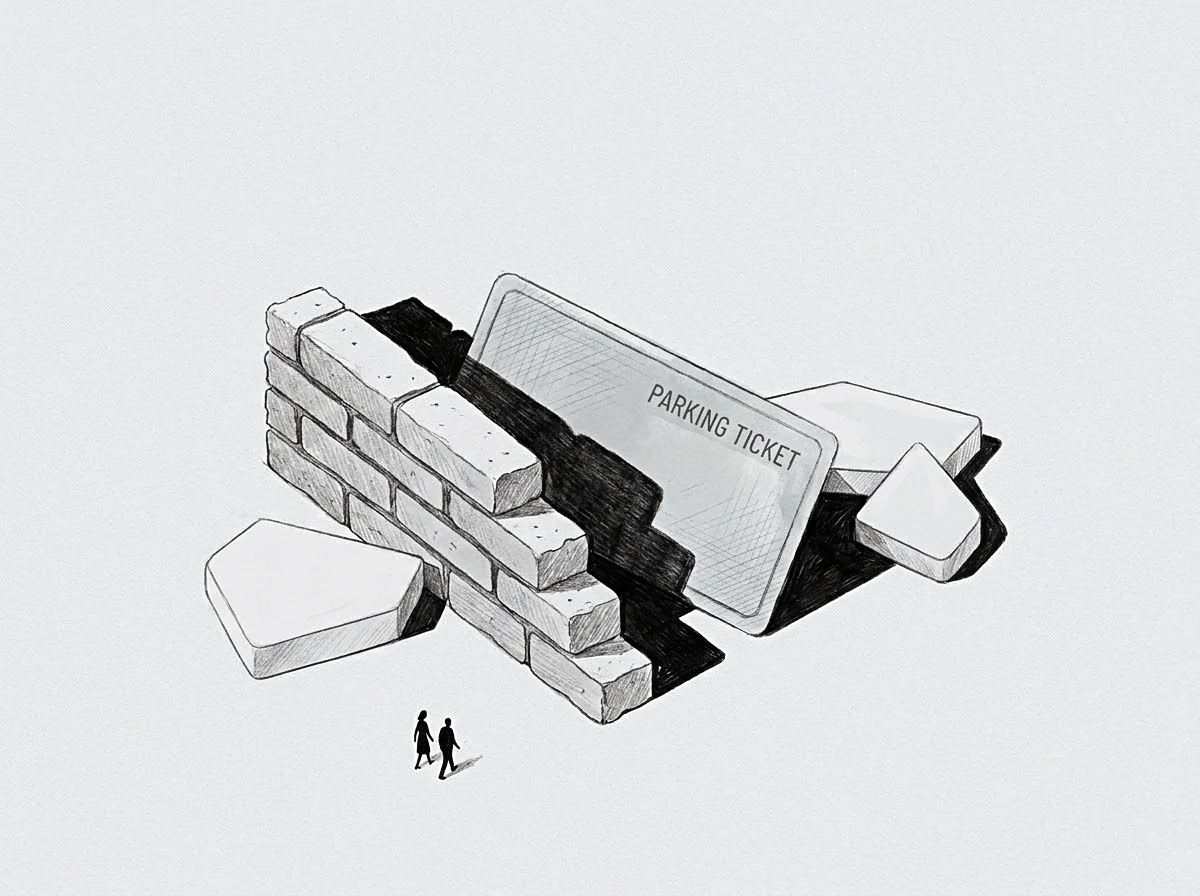
Contractual loss allocation partitions operational handover failure through post-closing purchase price true-ups, escrow retainers, and indemnity set-offs.

A delegation authority schedule separates shareholder rights from executive spending limits when a founder shifts to a non executive board position.

Contractual holdbacks tied to mandatory co-decision logs force outgoing founders to articulate tacit operational rules before equity consideration releases.

Corporate charters and delegation deeds separate equity voting power from executive command by confining shareholder influence to director elections.

Post separation defaults apportion volatility risk by discounting unvested performance tranches into capped debt notes or time adjusted trailing synthetic units.

Replacing intuitive founder authority requires codifying tacit decision rules into explicit risk boundaries and distributed oversight councils.
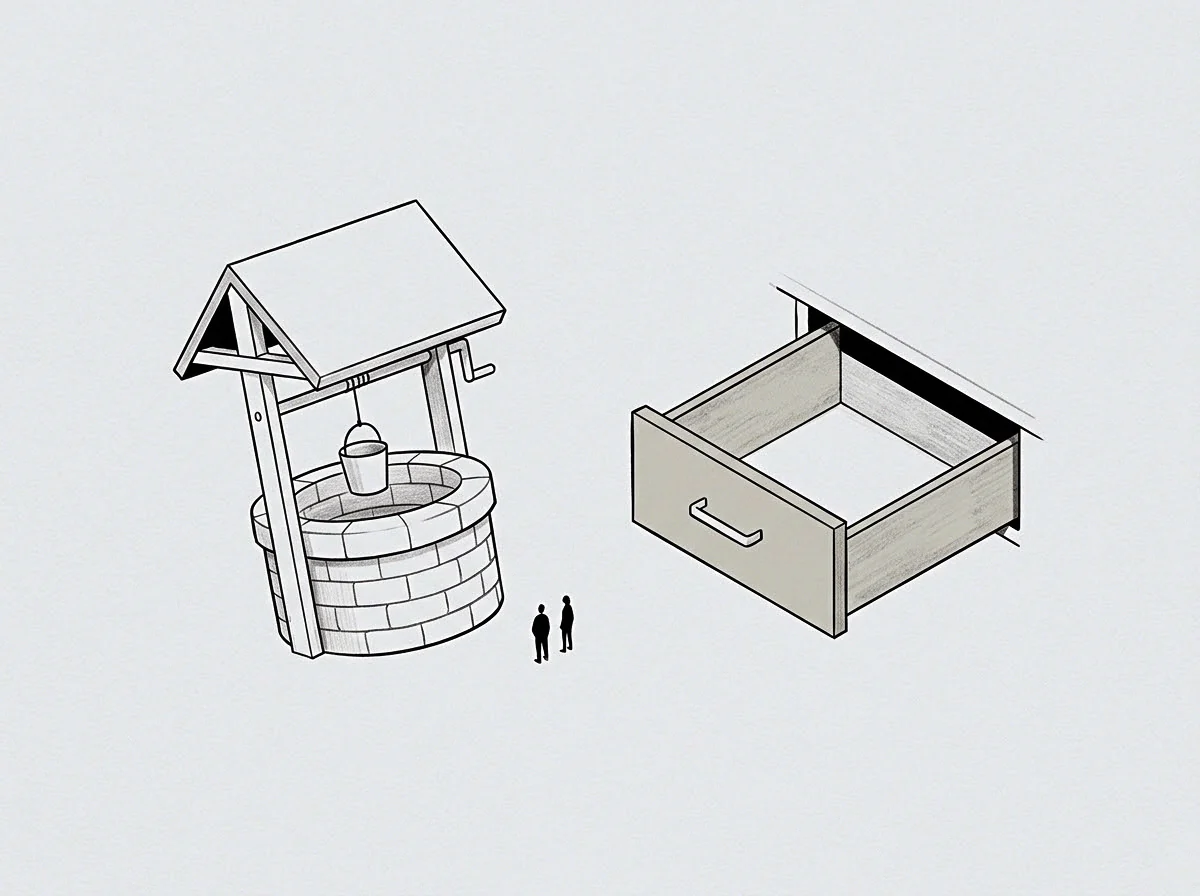
Executive judgment calibration protocols require mandatory pre-decision prediction logs to expose unstated decision heuristics before full authority transfers.

Executive heuristic extraction captures latent founder decision rules through critical incident analysis and live operational shadowing during succession transitions.

Informal backchannels to former leaders bypass appointed successors, creating duplicate decision reviews, latency amplification, and structural authority decay.

Shadow relational authority neutralizes by systematically dismantling informal founder communication channels and establishing explicit decision governance.

Codifying tacit founder decision rules translates implicit operational intuition into explicit governance, securing maximum upfront acquisition capital by reducing key-person risk.

Key person risk is quantified by deducting market replacement wages from normalized cash flow and discounting remaining earnings for customer concentration.

Undocumented executive decision heuristics create earn out liabilities when corporate integration replaces informal discretion with rigid bureaucratic controls.

Structural role ambiguity resolves when handover charters assign domain-specific veto rights and eliminate dual escalation paths between executive officers.

Applying Black Scholes models to unvested partner options requires adjusting for unperformed service conditions, illiquidity discounts, and forfeiture terms.

Tacit knowledge extraction converts unwritten founder routines into explicit, assignable seats before acquisition, removing key-person valuation discounts.

Settling unvested equity in cash requires discounting intrinsic stock value for remaining service periods, time value of money, and empirical forfeiture risk.

Codifying operational workflows before equity transfers converts individual tacit labor into transferable institutional assets and prevents valuation drag.

Technical directors protect corporate governance by surrendering infrastructure access, terminating private staff channels, and restricting reviews to formal audit packs.

Partitioning technical leadership requires separating daily operational execution from long-term architectural governance through explicit written decision thresholds.

Uncodified operational risk barriers emerge when implicit authority systems and tacit procedures fail to transfer during executive transition sequences.

Scaffolding functional authority transfers during leadership transitions stabilizes operations by progressively decoupling decision rights from predecessor presence.

Conducting functional operational transfer before exit announcements protects organizational authority and ensures continuity before institutional friction emerges.

Founder transitions yield measurable operational capacity losses when tacit decision heuristics fail to codify during executive handover sequences.

Decoupling technical founders from system execution requires decomposing seats, instituting automated pipeline guardrails, and delegating operational authority.
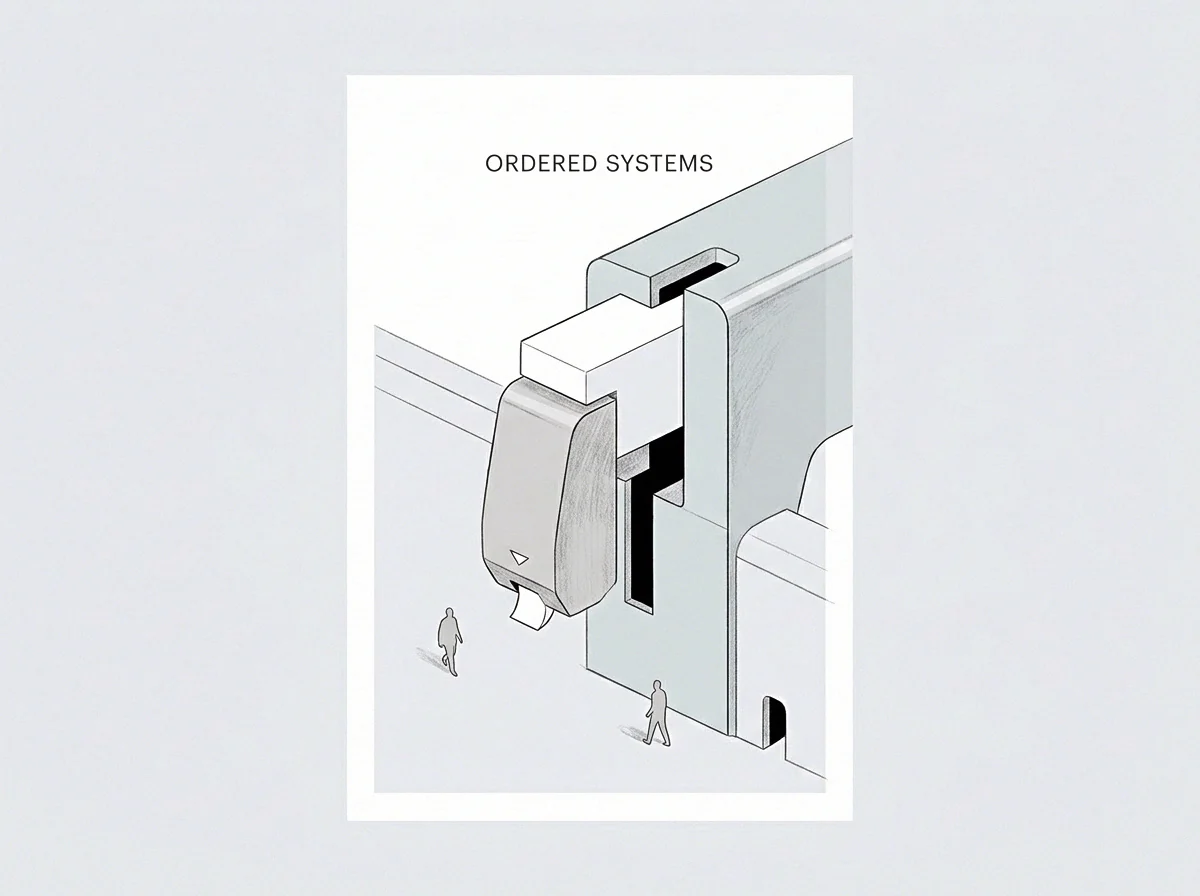
Structural succession models resolve tacit infrastructure dependencies by binding equity release to verified technical audits and operational codification.
The terms are written where they belong. Each field holds three desks, and every entry a desk writes raises the terms it uses, each term given a meaning, a mechanism and the places it appears. The record on these pages stays first person and hand made; the fields grow the nomenclature.