
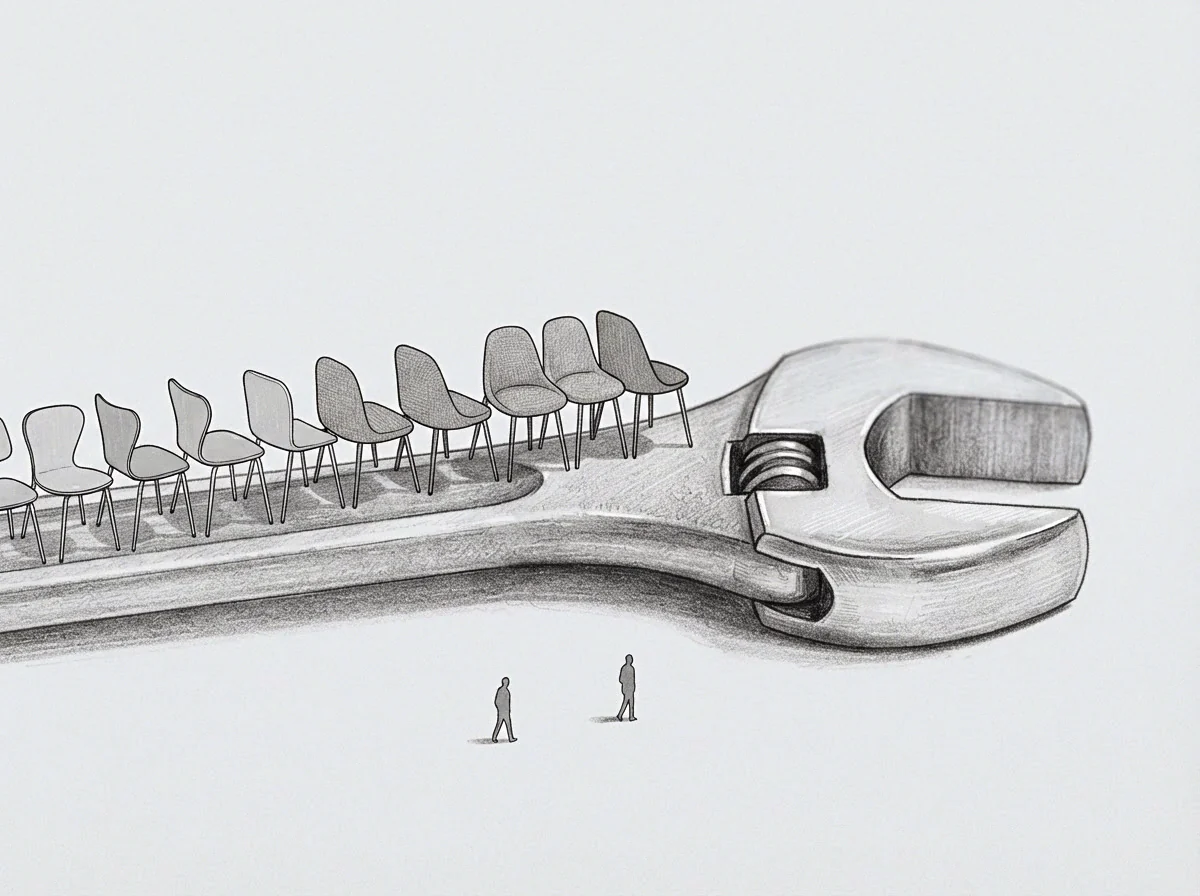
Measuring Temporal Friction In Dual Executive Board Positions
Temporal friction occurs when operational urgency degrades fiduciary oversight capacity, creating switching latency that impairs corporate governance.

Temporal friction occurs when operational urgency degrades fiduciary oversight capacity, creating switching latency that impairs corporate governance.

A structural voting proxy transfers shareholder voting rights to an independent trustee during liquidity shocks to prevent unauthorized operational intervention.

A governance protocol restricts former executive intervention by establishing single-contact rules, formal negative covenants, and explicit delegation boundaries.
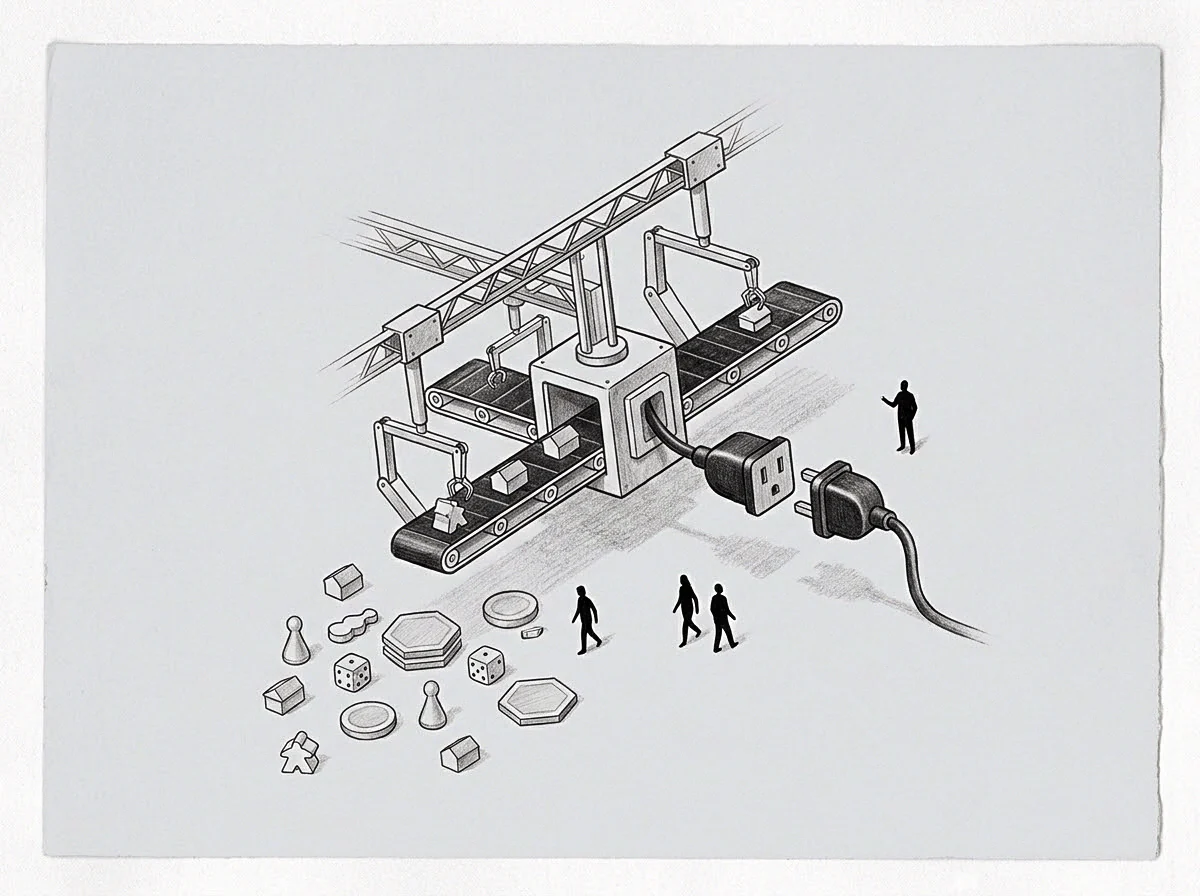
Rapid alternation between tactical execution and capital allocation causes attentional residue that consumes up to twenty percent of daily productive capacity.
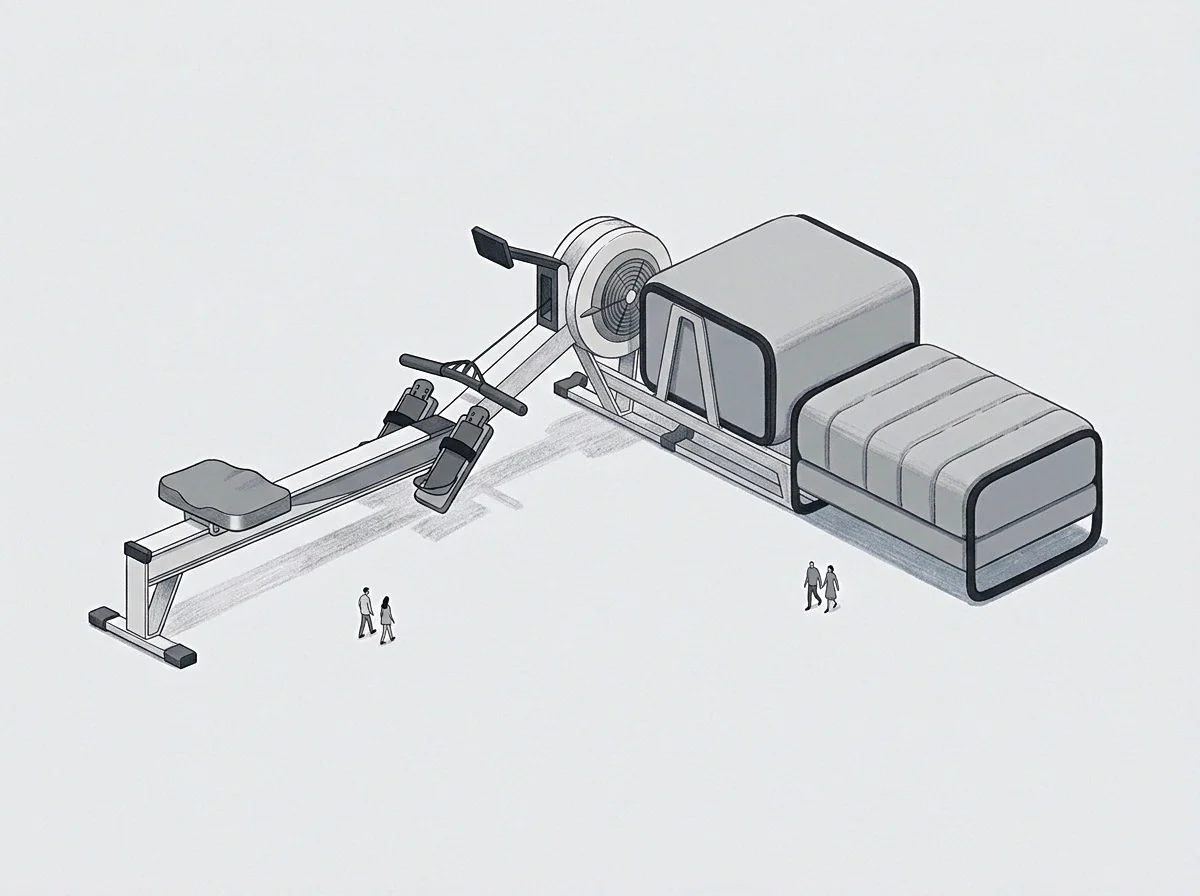
Transitioning engineering capacity into governance time blocks requires temporal firewalls that separate tactical execution from long-term steering.

Operating seat autonomy during liquidity distress depends on defining negative consent rules, rolling budget carve-outs, and precise spend thresholds before reintervention triggers activate.

Managing inactive founder equity requires enforcing existing vesting agreements or executing structured recapitalizations to restore operational incentives.

Calendar block allocation partitions executive working time into discrete, defended durations that isolate technical execution from strategic governance.

Pre-seed founder departures require simultaneous board approval of par value unvested share repurchases and mutual general releases waiving all unknown claims.

Unpriced executive interventions create invisible subsidies that distort gross margins, accumulating structural debt that depletes balance sheet value over time.

Emergency capital governance replaces individual spending discretion with tiered authorization ceilings, prioritized triage queues, and dual signatures.

Codifying founder board parameters into explicit committee charters before liquidity drops preserves formal governance and prevents contentious fiduciary removals.

Separating operational management from capital deployment sets explicit authority limits, preventing routine working capital from funding discretionary equity allocations.

Centralizing operational authority through explicit cash gating and contracted supervisory spans stabilizes corporate solvency during sudden revenue decline.

Resolving pre-seed cap table discrepancies requires reconciling physical legal agreements against ownership spreadsheets through formal statutory ratifications and liability releases before diligence starts.

Early founder equity clean up eliminates dead stock overhangs through reverse vesting repurchases, option pool expansion, and clean IP assignment releases.

Formal delegation charters and board capacity floors prevent operational fire-fighting from consuming strategic founder hours.

Reconstructing undocumented client promises into standard contract catalog tiers protects account margins during commercial leadership handovers.

Contractual tie-breaker clauses fail when founder share ownership falls below majority unless explicitly anchored inside the certificate of incorporation.

Decaying baseline incentives step down maintenance commissions over multi-year schedules while elevating expansion bounties to prevent account custodianship.

Weighted voting separates operational command from equity ownership through asymmetrical share classes that preserve executive authority against capital dilution.

Contractual enforcement isolates owner equity rights from operational authority through binding employment limits and equity forfeiture triggers.

Structural time allocation covenants in operating agreements convert unwritten service expectations into enforceable operational hourly commitments.
Enterprise account successor compensation aligns incentives by pairing phased commission splits with milestone-based quota adjustments during handover.

Unbounded execution hours subsidize corporate margins artificially, inflating short-term cash flow while degrading long-term equity value through transfer haircuts.

Secondary founder equity transfers decouple economic ownership from board rights, forcing board seat reallocations through investor consent covenants and share designation thresholds.

Partial operational share sales crossing contractual thresholds activate automatic sunset clauses that extinguish legacy founder veto rights over enterprise decisions.
Secondary equity sales strip operator super-voting power when charter clauses mandate automatic conversion to single-vote stock upon transfer to unapproved buyers.

Hard capacity limits isolate strategic governance from operational drift by enforcing calendar walls, device segregation, and strict escalation pacts.

Senior ownership capacity decays exponentially when recurring tactical escalations create context switching fees that displace strategic governance bandwidth.
The terms are written where they belong. Each field holds three desks, and every entry a desk writes raises the terms it uses, each term given a meaning, a mechanism and the places it appears. The record on these pages stays first person and hand made; the fields grow the nomenclature.