

Structuring Non Voting Equity Classes To Preserve Operating Builder Governance
Dual class equity structures isolate builder governance by embedding voting exclusivity in charter documents while allocating non-voting shares for capital claims.
Dual class equity structures isolate builder governance by embedding voting exclusivity in charter documents while allocating non-voting shares for capital claims.

Operational veto rights held by departed founders are removed by amending shareholder governance terms to separate equity valuation defenses from active consent powers.

Stepped preferred liquidation multipliers adjust preference payouts across valuation notches determined through formal board appraisal during liquidity events.

Retained equity conflicts are resolved by enforcing contractual call options, non-voting unit conversions, and operational delegation clauses in operating agreements.

Capital ownership bestows board voting rights while operational seats govern daily decisions, requiring explicit contractual limits to prevent direct equity interference.

Dynamic equity agreements lose statutory enforceability in corporate restructuring when unissued dynamic points collide with senior creditor priority rules.

Board members isolate fiduciary liability during mandatory executive clawback actions through independent enforcement committees and strict indemnification boundaries.

Uncoupling operational executive control from equity governance requires revoking officer signing authority while restructuring share voting rights via proxy conversion agreements.

Delaware preferred share series derive their rights entirely from explicit charter language enacted by board authorization under statutory blank check authority.

Converting operational company liabilities into senior equity classes dilutes passive inactive founder common stock while protecting ongoing operator labor.

Corporate recapitalizations exchange personal founder operational vetoes for preferred stock protective provisions to restore executive management authority.

Adjusting vested stock repurchase multiples during strategic pivots replaces trailing revenue metrics with net realization values and subordinated debt notes.

Resolving minority shareholder recapitalization deadlocks requires replacing contractual negotiation with statutory cash-out mergers that convert equity vetoes into judicial appraisal claims.

Switching between daily operations management and board governance generates cognitive latency and structural bias that degrades long-term fiduciary oversight.

Corporate charters and delegation deeds separate equity voting power from executive command by confining shareholder influence to director elections.

Formal transition contracts and complete credential revocation extinguish de facto manager exposure generated by emergency interventions after corporate divestment.

A corporate board diluting an inactive common shareholder must establish entire fairness or implement independent special committees and open rights offerings.

Resolving minority oppression during operator transitions relies on separating operational seats from equity ownership through structured fair-value buyouts.

Equity represents legal ownership of enterprise risk, while operational responsibilities require separate employment contracts and governance structures.

Boards reclassify common shares and expand authorized capital to dilute legacy minority blocking thresholds following an executive's operational resignation.

Informal backchannels bypass formal authority through legacy loyalties; eliminating them requires isolating communications and enforcing strict board boundaries.

Dual class equity grants statutory voting dominance while specific contractual covenants protect the owner's daily operational authority from investor challenge.
Contractual mechanical buyout formulas enforce agreed share prices against departed equity holders when accounting controls remain consistent and transparent.

Negative covenants granting minority capital veto rights over executive hiring freeze key management seats and transfer massive operational strain to founders.

Corporate sale transactions bind directors to entity loyalty, requiring fair allocation of merger proceeds across equity classes.
Statutory shareholder control and managerial authority produce deadlocks that resolve through reserved matters, independent casting votes, or buyout formulas.

Unbundling separates executive employment, board oversight, and equity voting through charter sunsets, proxy transfers, and distinct governance contracts.

Post-founder governance friction resolves by coupling executive resignation with automated conversion of supervoting stock into common single-vote equity.
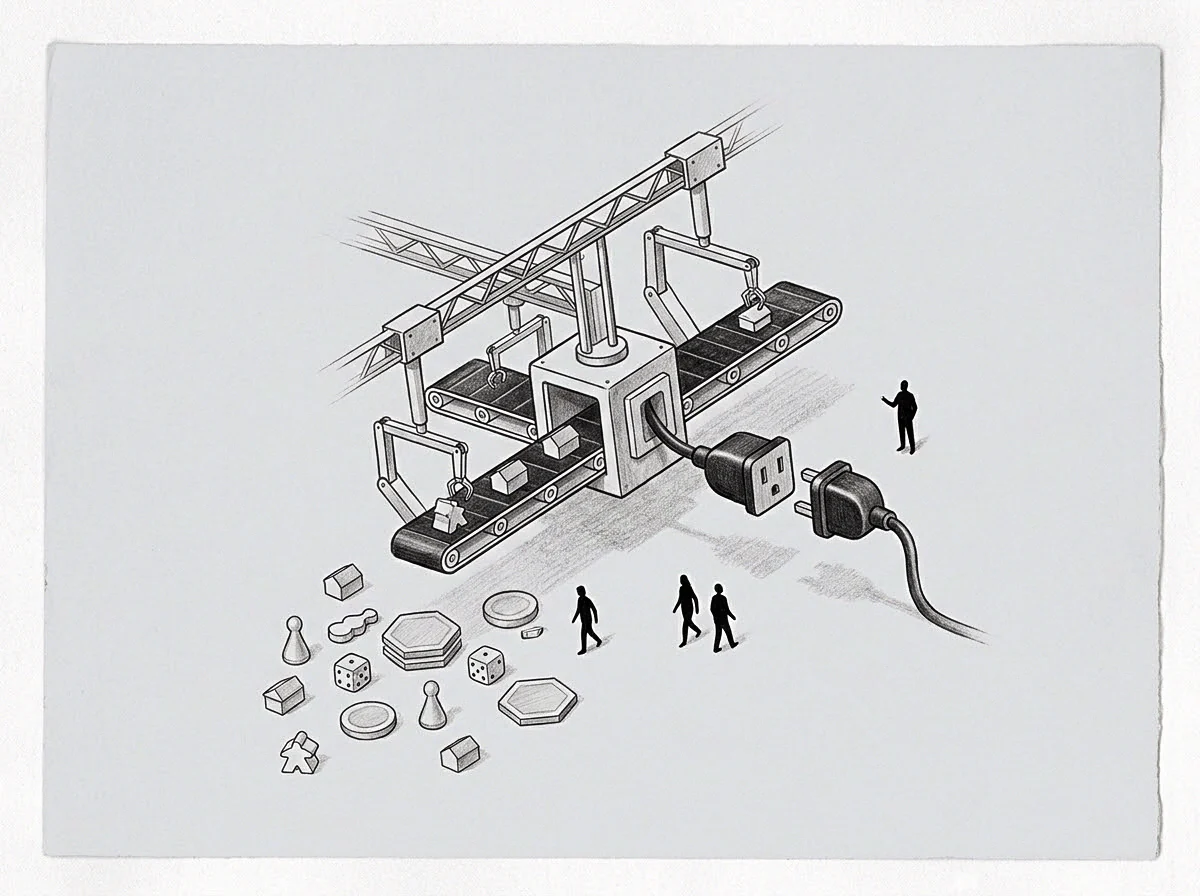
Corporate governance establishes fiduciary oversight of enterprise assets while technical output executes code changes under managerial delegations of authority.

Operating cash dominance translates into legal control only through executed governance amendments that tie voting units or board seats to verified revenue metrics.
The terms are written where they belong. Each field holds three desks, and every entry a desk writes raises the terms it uses, each term given a meaning, a mechanism and the places it appears. The record on these pages stays first person and hand made; the fields grow the nomenclature.