
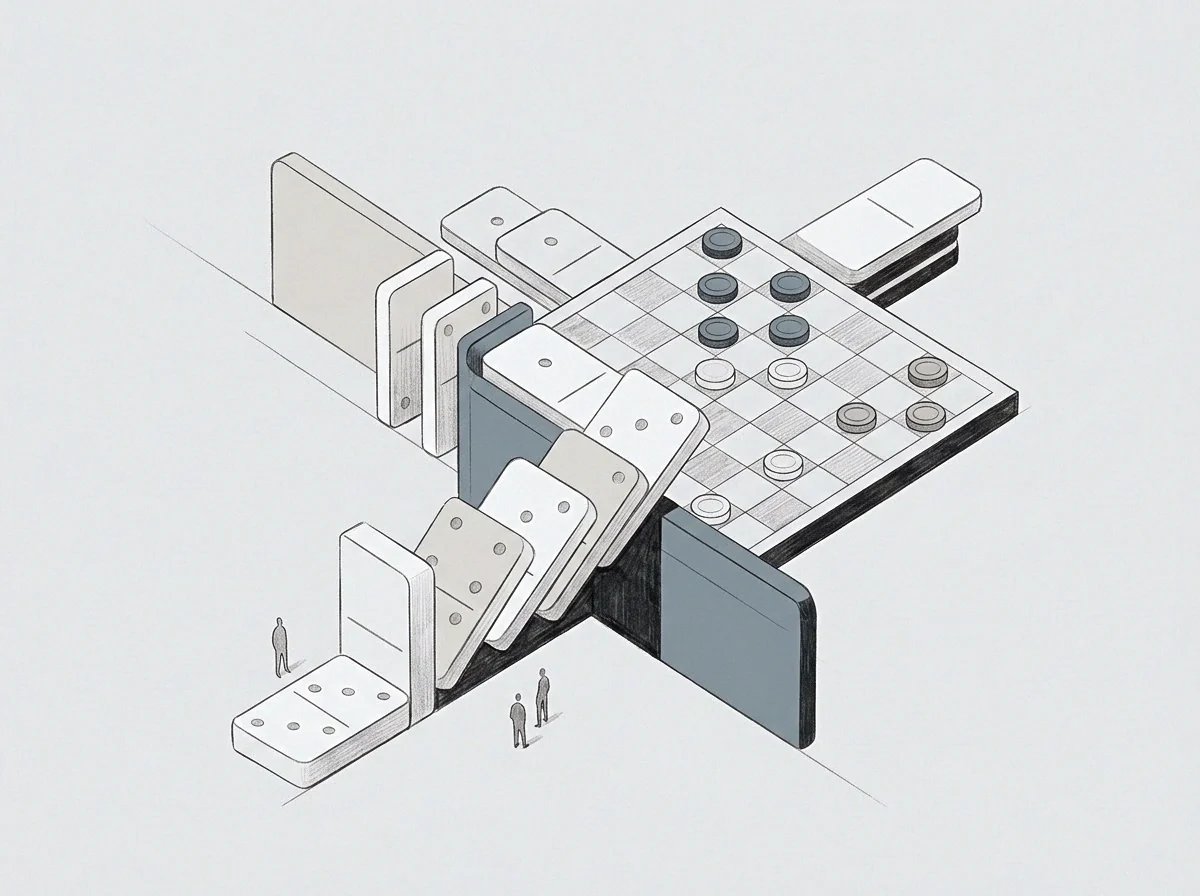
Evaluating Informal Information Asymmetry Impact On Post Succession Executive Operating Autonomy
Executive operating autonomy drops when uncodified predecessor information loops force reliance on legacy shadow channels for routine decision approval.
Executive operating autonomy drops when uncodified predecessor information loops force reliance on legacy shadow channels for routine decision approval.

Decision latency during executive handovers tracks the temporal expansion between operational triggers and authorized determinations across ownership transitions.

Uncodified knowledge and relational capital survive crisis executive transitions through structured shadow pairing and rapid key counterparty trust stabilization.
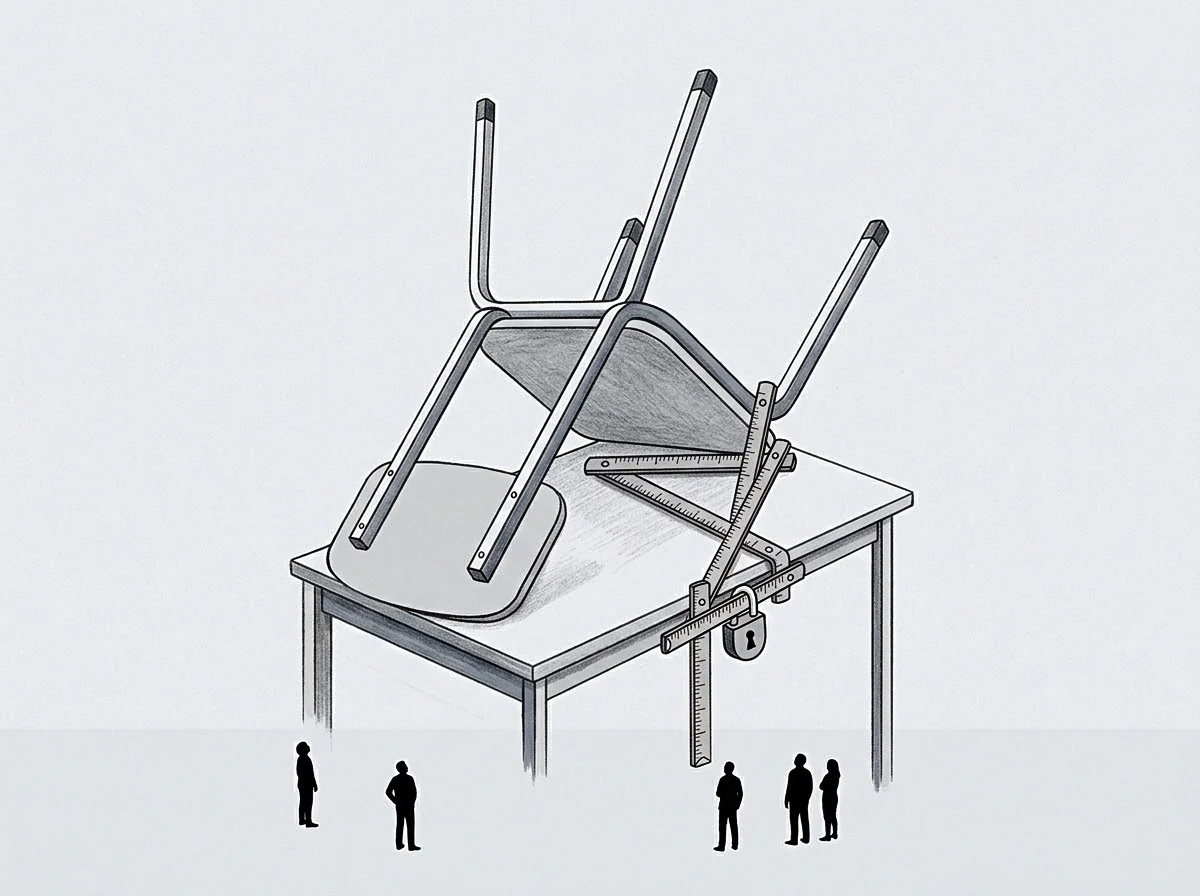
Operational boundary covenants enforce management authority by stripping former executives of unrouted operational access during organizational stress.
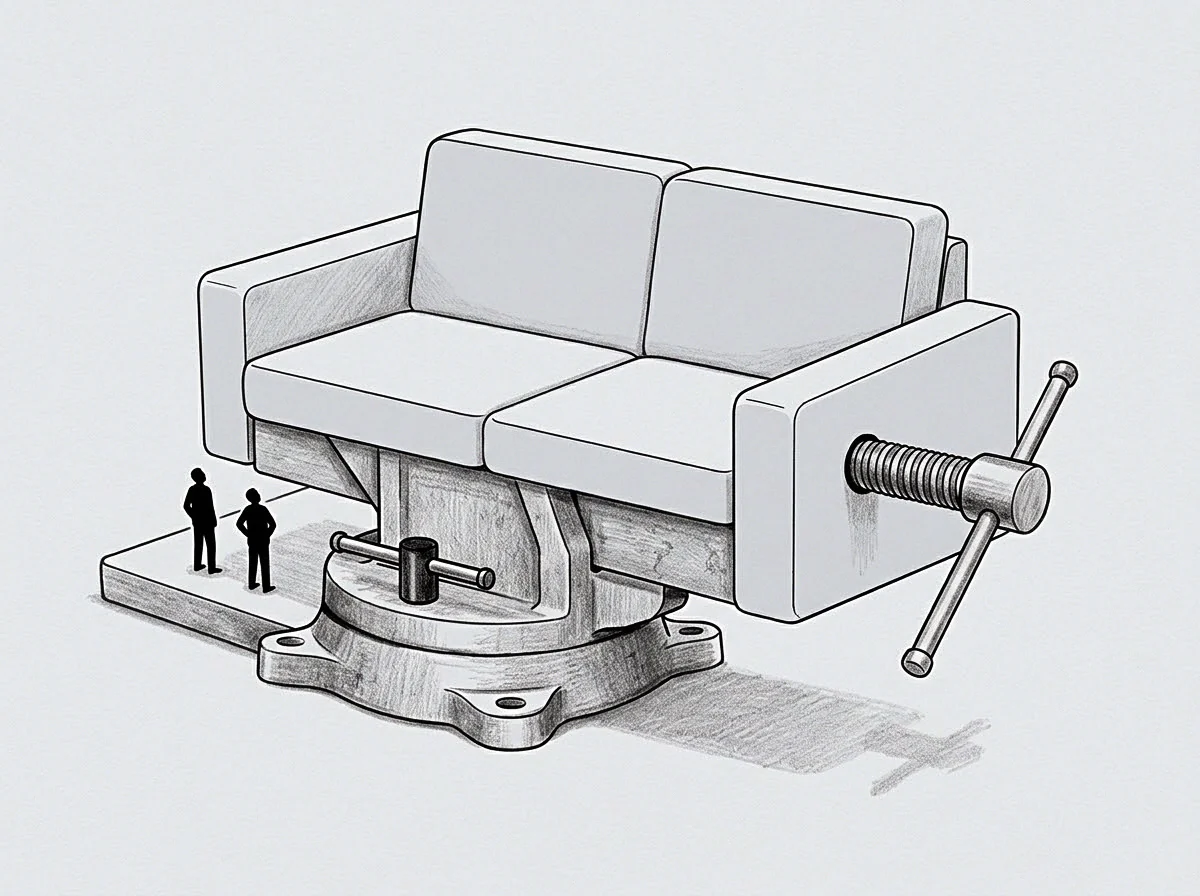
Successor authority survives market contraction through explicit emergency scopes, singular board communication, and contractual capital intervention triggers.

Decoupling account maintenance from expansion through tiered decaying retention pools secures founder client relationships without inflating successor bonuses.

Account governance structures maintain transitional continuity by decoupling authorization rights from personal identity through progressive gating sequences.

Delegating key accounts depends on transferring relational authority and operational context before removing executive oversight to maintain client trust.

Corporate officers execute non-responsive shareholder redemptions by depositing valuation funds into escrow and invoking contractual power of attorney.

Governance firewalls isolate operational execution from investor interference by channeling all shareholder communications through a designated executive office.

Resolving direct shareholder interference requires formal governance boundaries, independent board oversight, and binding legal redemption mechanisms.

Governance transitions fail when owner heuristics are codified into static rules without accounting for uncodified contextual judgment under uncertainty.

Tacit knowledge decay occurs as incoming executives lose access to uncodified decision heuristics following the abrupt removal of transitional cognitive scaffolding.

Owner operator handover transfers procedural execution through phased scaffolding, isolating tacit judgment from explicit rules to ensure enterprise continuity.

Enforcing post-closing non-solicitation remedies requires proving affirmative outreach, utilizing self-executing escrow offsets, and decoupling client goodwill from departing key personnel.

Earnout provisions neutralize customer concentration risk by capping single-account profit contributions and establishing baseline revenue substitution thresholds.

Contingent payment schedules in service acquisitions bridge valuation gaps by linking deferred purchase price tranches to verifiable post-closing gross margin hurdles.

Retained founder advisory roles cause operational ambiguity when informal advice bypasses executive hierarchy, requiring explicit contract boundaries and single-channel routing.

Executive departures stall when title transfer precedes tacit knowledge codification, requiring structured co-decision cycles to delegate authority safely.

A founder veto transitions into standard board governance through automatic share conversions and shrinking reserved matter schedules upon operational exit.
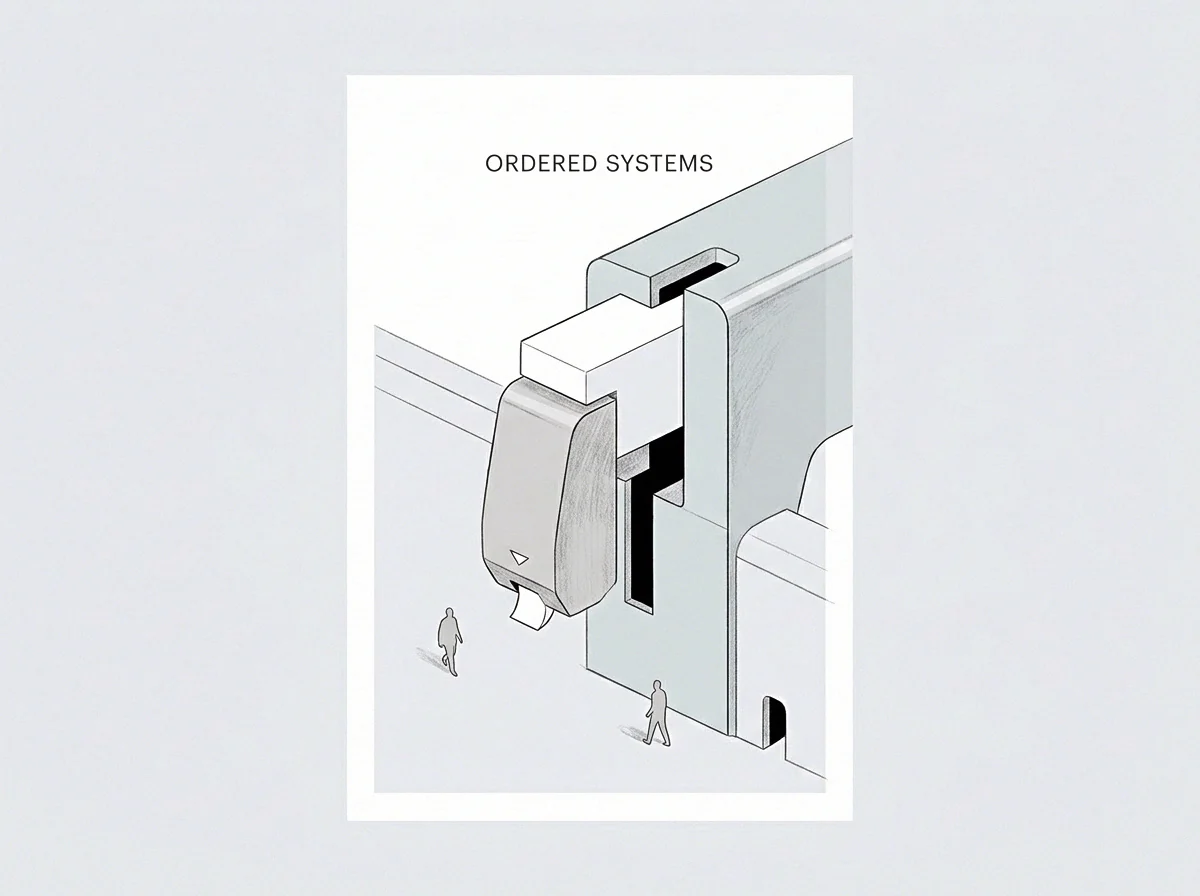
Operational continuity protocols isolate executive seats from personal operating habits by converting unwritten authority into stage-gated corporate procedures.

Operational veto rights protect enterprise integrity only when restricted to balance sheet encumbrances and governed by explicit financial sunset triggers.

Departing equity holders blocking charter amendments yield when non-consensual rights issues reallocate voting control or statutory restructuring erases covenants.

Majority equity ownership creates structural decision latency when informal shareholder overrides bypass formal board delegation.
Executive decision handover latency measures operational delay between formal leadership succession and unratified decision execution by incoming executives.

Aligning deferred financial payouts with verified account handover milestones prevents premature partner departure and protects client retention in professional services firms.

Operational account handovers during deferred equity transitions require binding stock releases to verified client documentation milestones rather than calendar vesting.

Deferred founder equity conversion creates valuation friction when historical equity pricing formulas outlast operational executive authority.

Trigger based phase down charters transfer defined executive authority to a successor in discrete tranches tied to verified operational metric thresholds.

Decoupling executive authority from founder equity isolates operational management inside formal delegation matrices while preserving economic share capital rights.
The terms are written where they belong. Each field holds three desks, and every entry a desk writes raises the terms it uses, each term given a meaning, a mechanism and the places it appears. The record on these pages stays first person and hand made; the fields grow the nomenclature.