Meaning
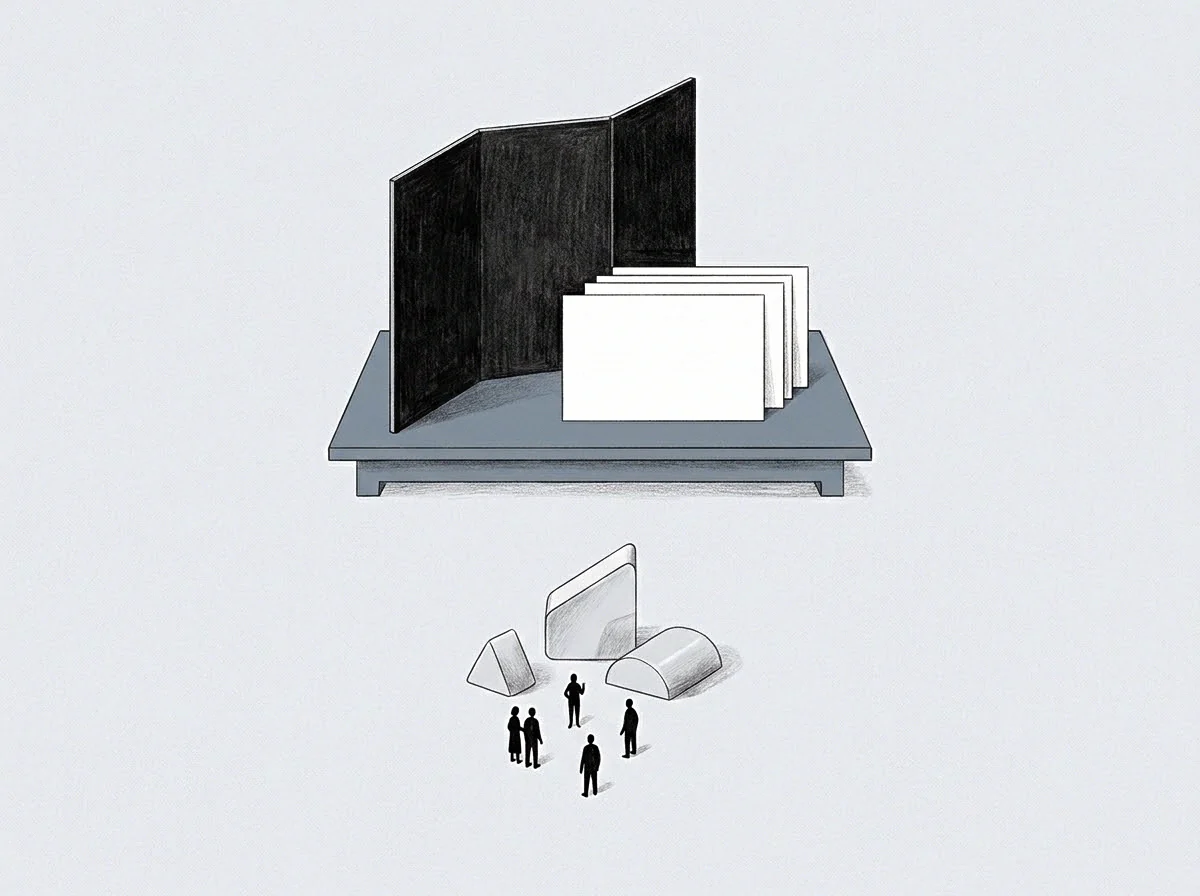
Operational authority transferred downward defines a manager seat, the organizational position where a founder shifts from writing code or closing sales to translating executive intent into daily workflow quotas for others. This specific seat sits between strategic ambition and execution tracking, absorbing the friction of translation whenever top level goals conflict with team capacity. The position operates by delegating tactical decisions while retaining accountability for outcomes, requiring constant calibration of supervision levels to prevent both micromanagement and strategic drift.
Boundaries of this role appear the moment an occupant begins writing software or negotiating contracts personally rather than building the systems that enable others to perform those tasks.
Control Vector
Daily calendar density serves as the primary instrument for measuring how much this seat consumes from its occupant. Administrative overhead expands to fill every hour unless strict boundaries restrict status meetings and sync sessions. Founders sliding into this operational tier discover their capacity for deep analytical work drops sharply because interruptions fragment attention into short intervals.
Weekly hours spent on direct supervision scale directly with team size, demanding explicit scheduling rituals to preserve time for supervisory oversight.
Loss Mechanism
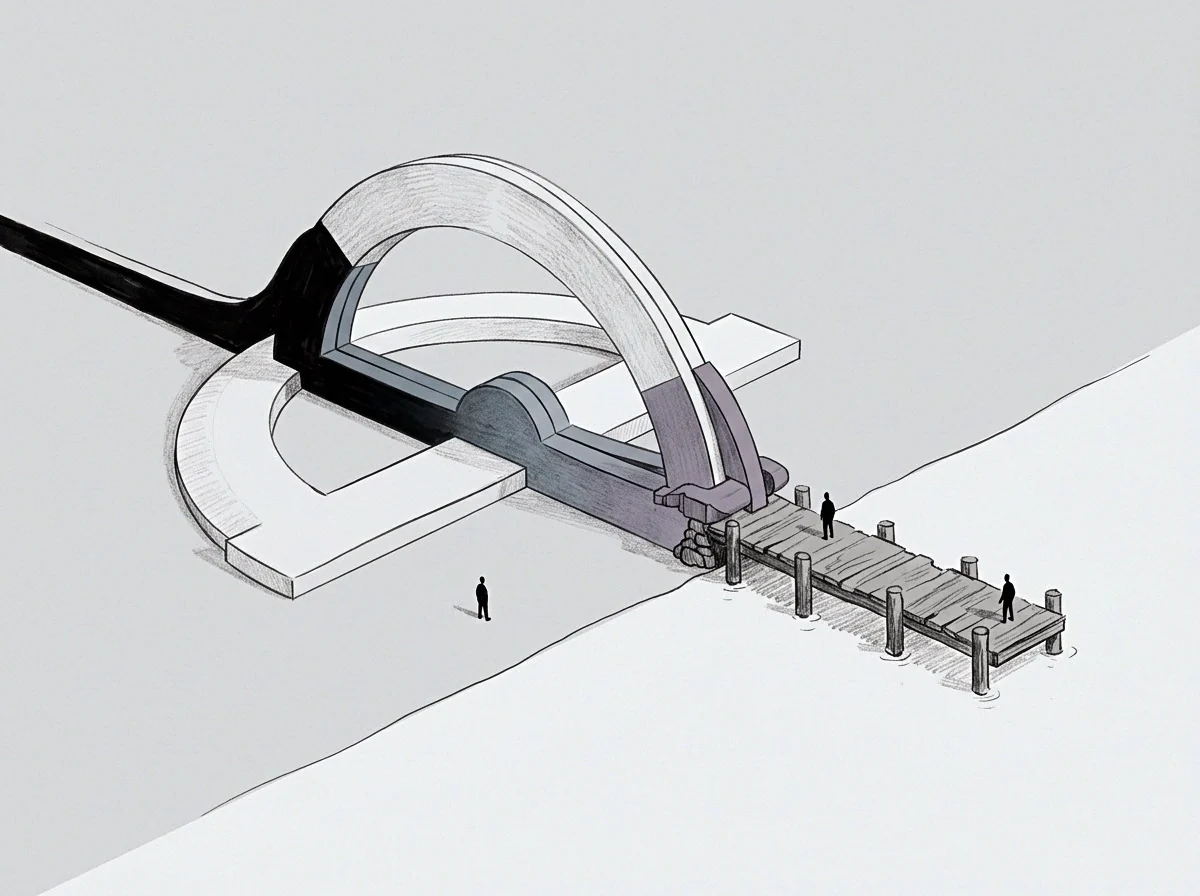
Authority dilution happens when a founder occupies this seat without establishing clear operational guardrails for subordinates. Decisions bounce back upward constantly if team members lack defined decision boundaries, creating a reverse delegation loop that consumes supervisory hours. Attention capacity depletes rapidly under this constant tide of minor escalations, leaving zero energy for long term structural planning.
Trust erodes on both sides when founders step back into tactical execution out of frustration, undermining the autonomy the seat was created to provide.
Succession Vector
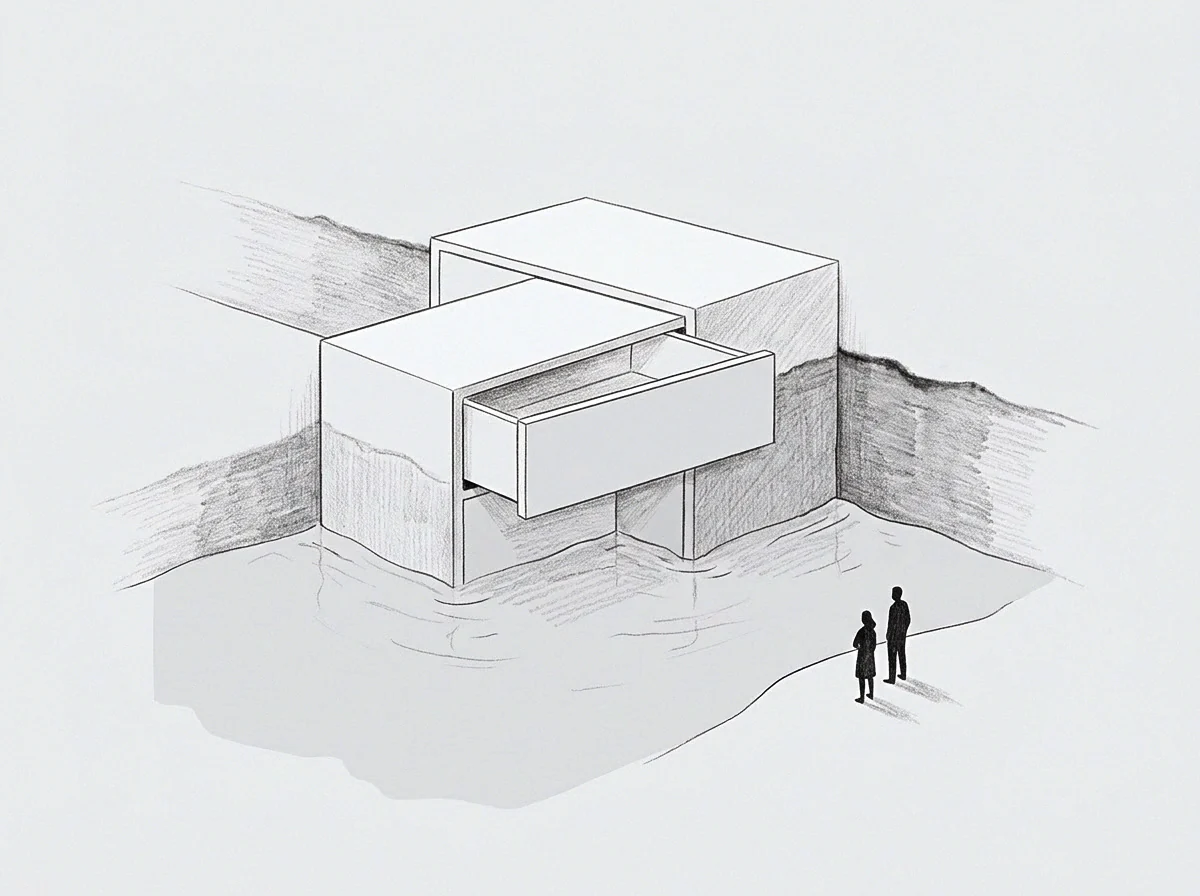
Operational independence marks the terminal condition of a properly functioning manager seat. Occupants graduate from supervising daily tasks to managing supervisors, shifting the organizational hierarchy upward by one full layer. Transitioning past this operational tier requires codifying tacit knowledge into explicit playbooks so that team performance persists without direct founder intervention.
Systematic delegation converts the seat into a stable institutional fixture rather than a personal bottleneck for company growth.