Meaning
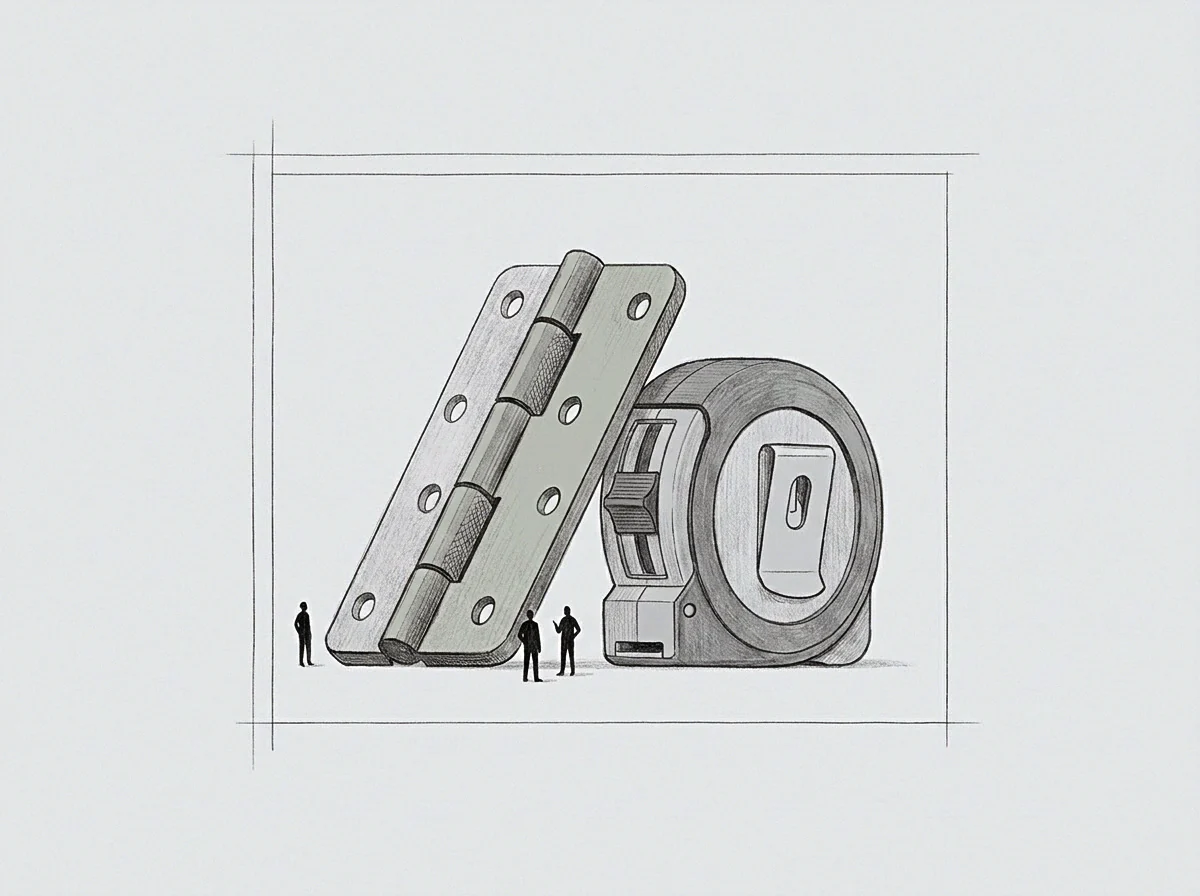
Administrative authority within a growing organization is held through the manager seat, which requires continuous translation between board expectations and operational realities. This position demands a specific allocation of attention hours, shifting the founder away from direct creation toward the maintenance of reporting lines and resource distribution. The cost to the person in this seat is measured in administrative fatigue and a reduction in discretionary time for product work.
Operational Friction
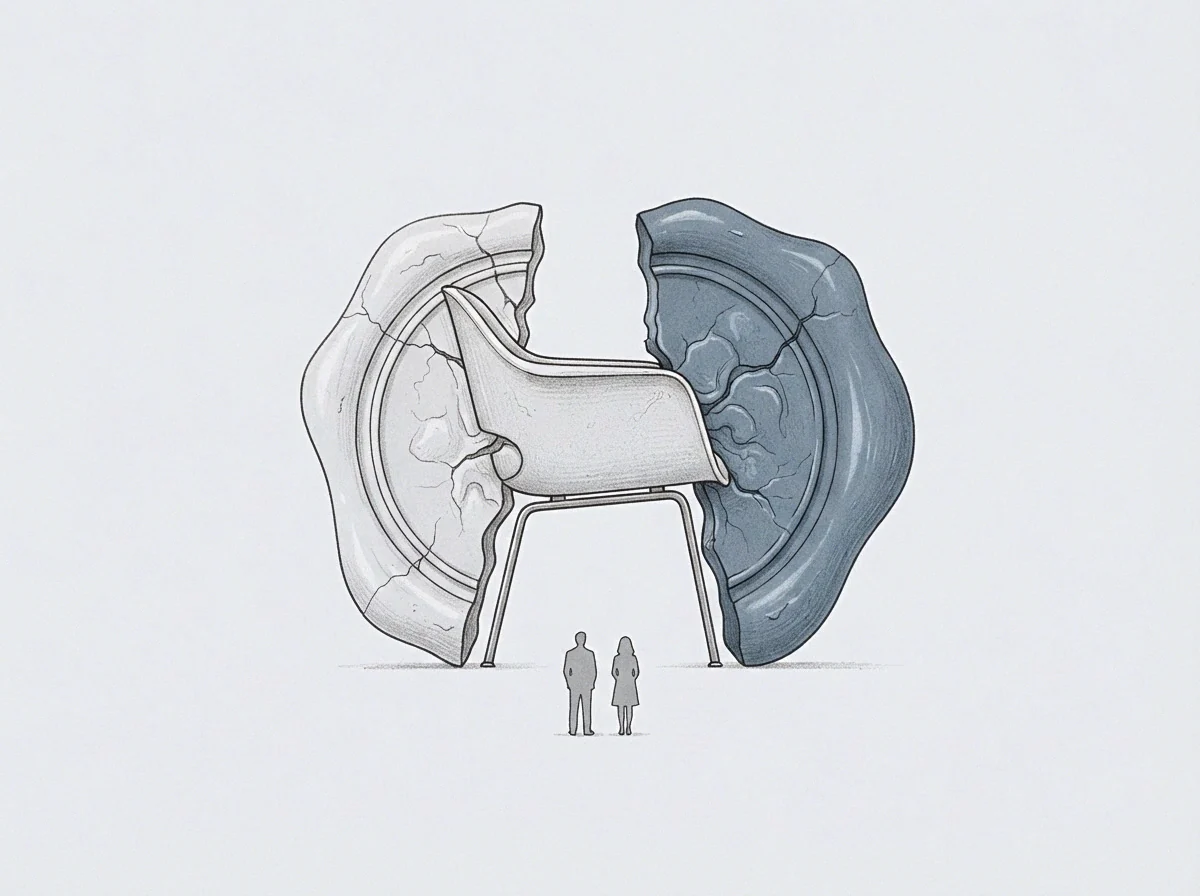
Daily routines inside this role consist of resolving competing departmental demands for capital and headcount. Founders stepping into this arrangement often encounter resistance when moving from consensus-based collaboration to hierarchical directives. Supervision requires steady enforcement of metrics that teams frequently view as arbitrary constraints on their output.
Capacity Cost
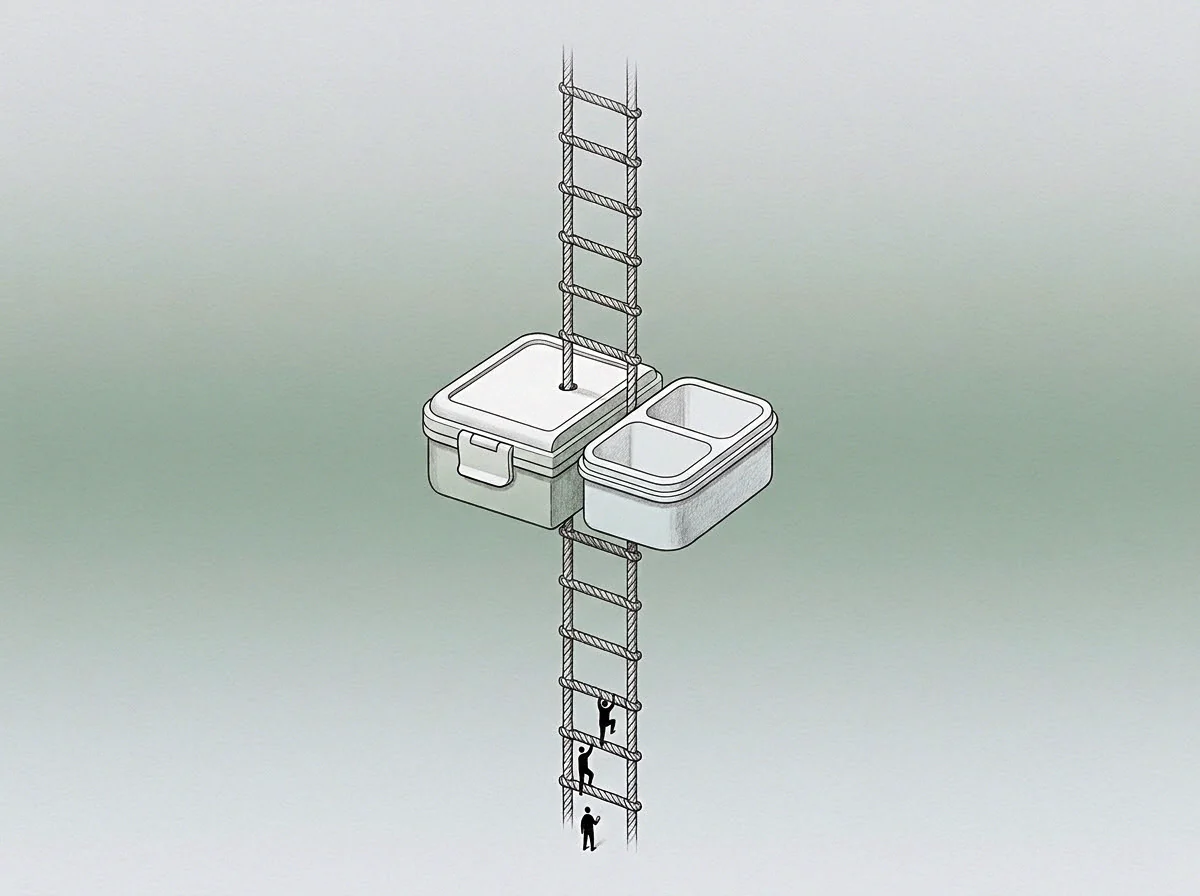
Personal energy drains rapidly under the weight of constant escalation handling and performance review cycles. Attention fractures into small intervals, leaving little room for sustained strategic thought or deep technical problem solving. This constant interruption drains the capacity needed for long-term company direction.
Structural Transition
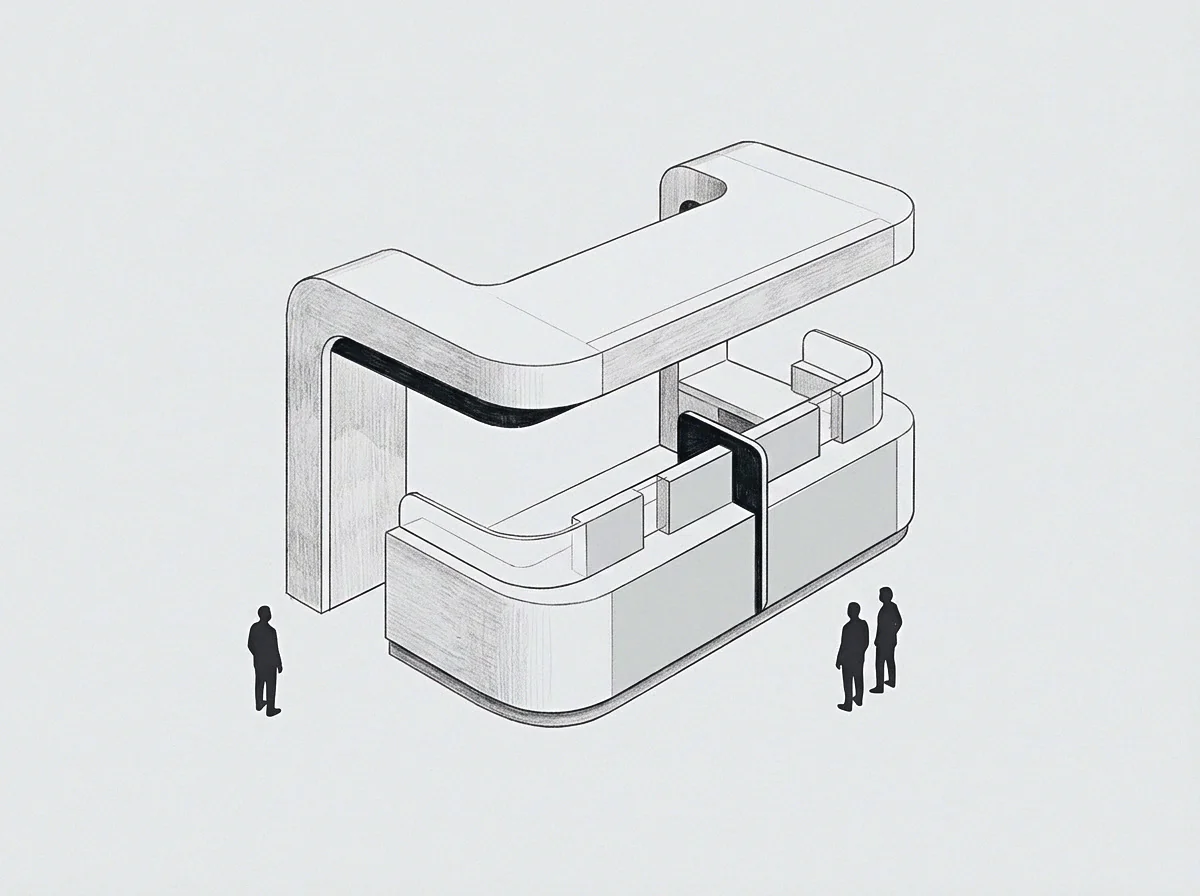
Exiting this organizational layer requires delegating authority to hired executives without losing oversight of core business levers. Founders must establish clear boundaries between ownership rights and daily operational control to prevent founder dependency from stalling company momentum. Handover succeeds only when decision rights transfer alongside accountability for results.