Meaning
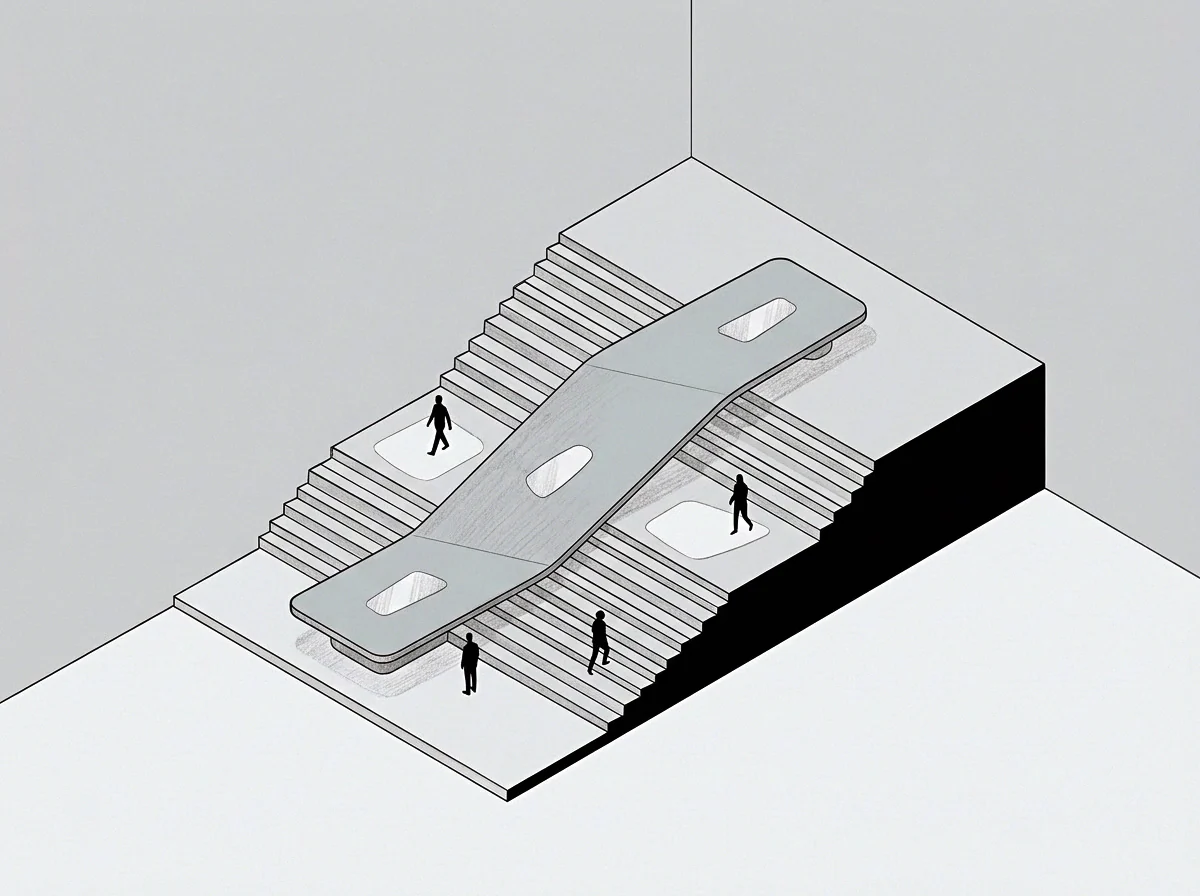
Control over daily operational output defines the grip stage in executive transition, marking the period when founders retain direct supervision of tactical execution while delegating nominal titles. Founders in this seat absorb heavy cognitive loads because every routine decision requires personal authorization from the top, draining hours that belong to strategic planning. Operational latency increases when subordinates wait for instruction rather than acting autonomously, which slows throughput across every department.
The boundary of this mechanism ends the moment formal authority transfers to a professional operator who holds independent decision rights.
Control Retention
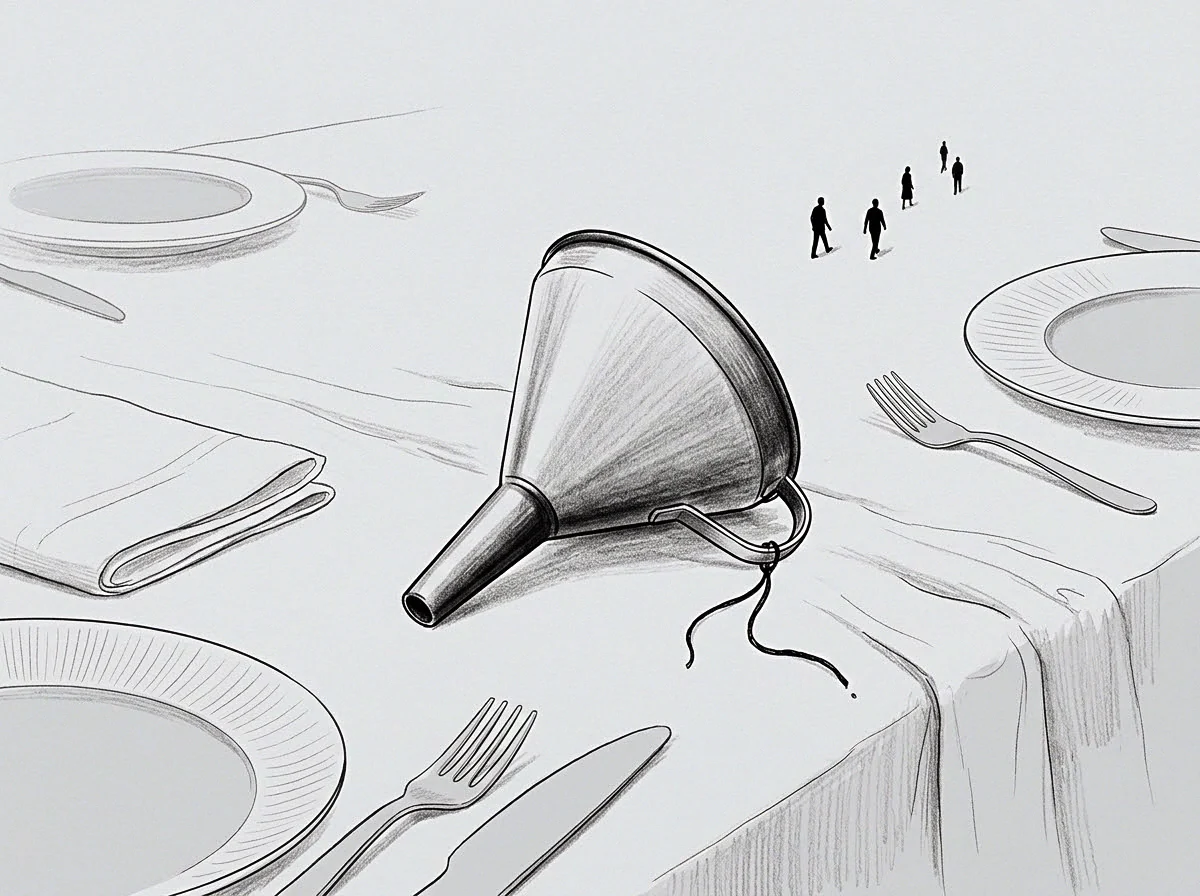
Physical presence inside the headquarters remains the primary instrument for maintaining oversight, as founders substitute proximity for systematic management structures. Constant interruptions fracture attention into short intervals, preventing deep analytical work and reducing capacity for long-term capitalization tasks. Physical exhaustion compounds the mental drain because sixteen-hour days replace proper rest cycles, impairing judgment on critical financial commitments.
Subordinates learn to rely entirely on executive intervention for routine exceptions, creating a persistent bottleneck that restricts company growth.
Execution Burden
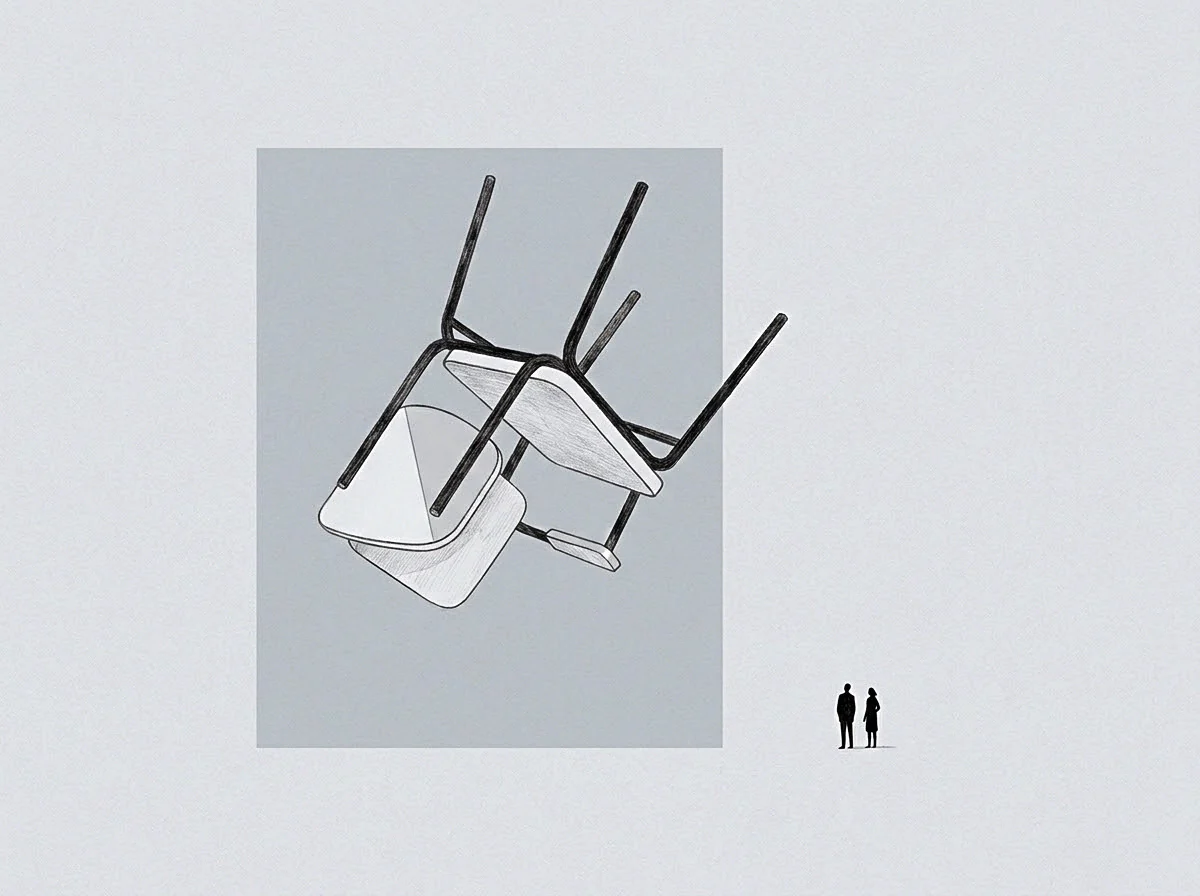
Personal responsibility for departmental output creates a severe trap where founders become the chief obstacle to corporate scaling. Financial compensation during this phase rarely matches the expended energy hours, since founders continue drawing early-stage salaries while performing complex managerial labour. Delegation fails repeatedly because internal processes lack documentation, forcing founders to retrain incoming staff on tasks they should have standardized months prior.
Board pressure mounts as investors demand professionalization, but founders resist releasing daily controls due to deep psychological attachment to the product.
Transition Friction
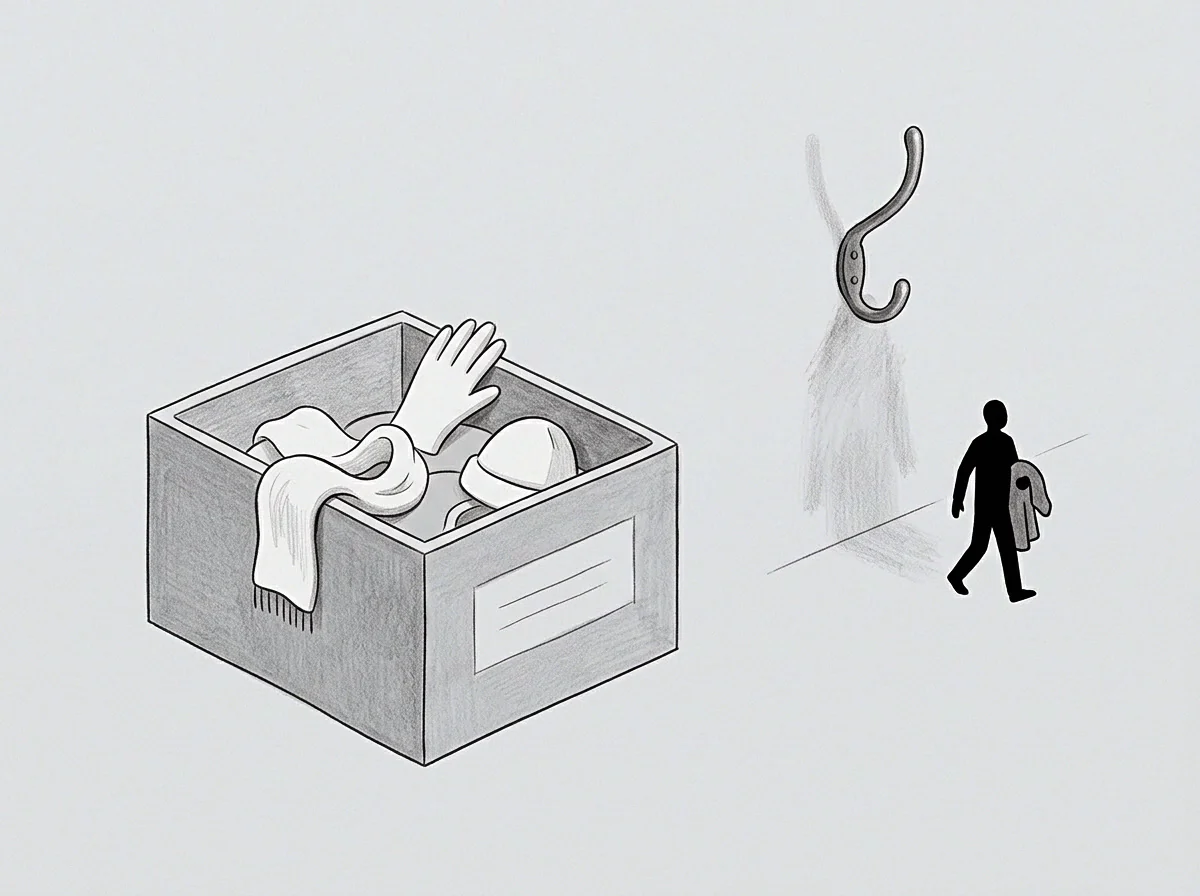
Final separation from tactical command requires a structured handover protocol that transfers operational knowledge without causing institutional collapse. Incoming executives frequently face passive resistance from tenured staff loyal exclusively to the founder, stalling execution velocity for quarters. Equity dilution often accelerates during this handover phase as incoming leadership demands compensation packages that reflect the difficulty of unseangling founder-led operations.
Complete structural independence emerges only after operational systems run without requiring founder sign-off on routine matters.