

What Moves When A Seat Is Handed Over And What Stays
A seat handover transfers legal authority and explicit procedures, while diagnostic intuition, relational trust, and evaluative taste remain with the predecessor.
A seat handover transfers legal authority and explicit procedures, while diagnostic intuition, relational trust, and evaluative taste remain with the predecessor.

Mapping functional roles separates bundled executive duties into distinct operational seats, eliminating candidate profile traps and securing continuity.

Tacit authority transfers through structured observational co-judgment and incremental threshold expansion that shifts uncodified heuristics to incoming leaders.

Contractual triggers relinquish founder veto power through phase-gated performance thresholds and operational covenants during leadership transitions.

Deconstructing executive roles separates title-based decision rights into distinct functional operating seats with explicit operational cadences and transferrable knowledge.

Decoupling operational knowledge transfer from public executive transition calendars prevents compressed handovers and validates successor performance before exit dates are set.

Decoupling executive authority from founder equity isolates operational management inside formal delegation matrices while preserving economic share capital rights.
Executive decision handover latency measures operational delay between formal leadership succession and unratified decision execution by incoming executives.
Operational continuity protocols isolate executive seats from personal operating habits by converting unwritten authority into stage-gated corporate procedures.

Retained founder advisory roles cause operational ambiguity when informal advice bypasses executive hierarchy, requiring explicit contract boundaries and single-channel routing.
Owner operator handover transfers procedural execution through phased scaffolding, isolating tacit judgment from explicit rules to ensure enterprise continuity.

Tacit knowledge decay occurs as incoming executives lose access to uncodified decision heuristics following the abrupt removal of transitional cognitive scaffolding.

Governance transitions fail when owner heuristics are codified into static rules without accounting for uncodified contextual judgment under uncertainty.
Successor authority survives market contraction through explicit emergency scopes, singular board communication, and contractual capital intervention triggers.

Uncodified knowledge and relational capital survive crisis executive transitions through structured shadow pairing and rapid key counterparty trust stabilization.
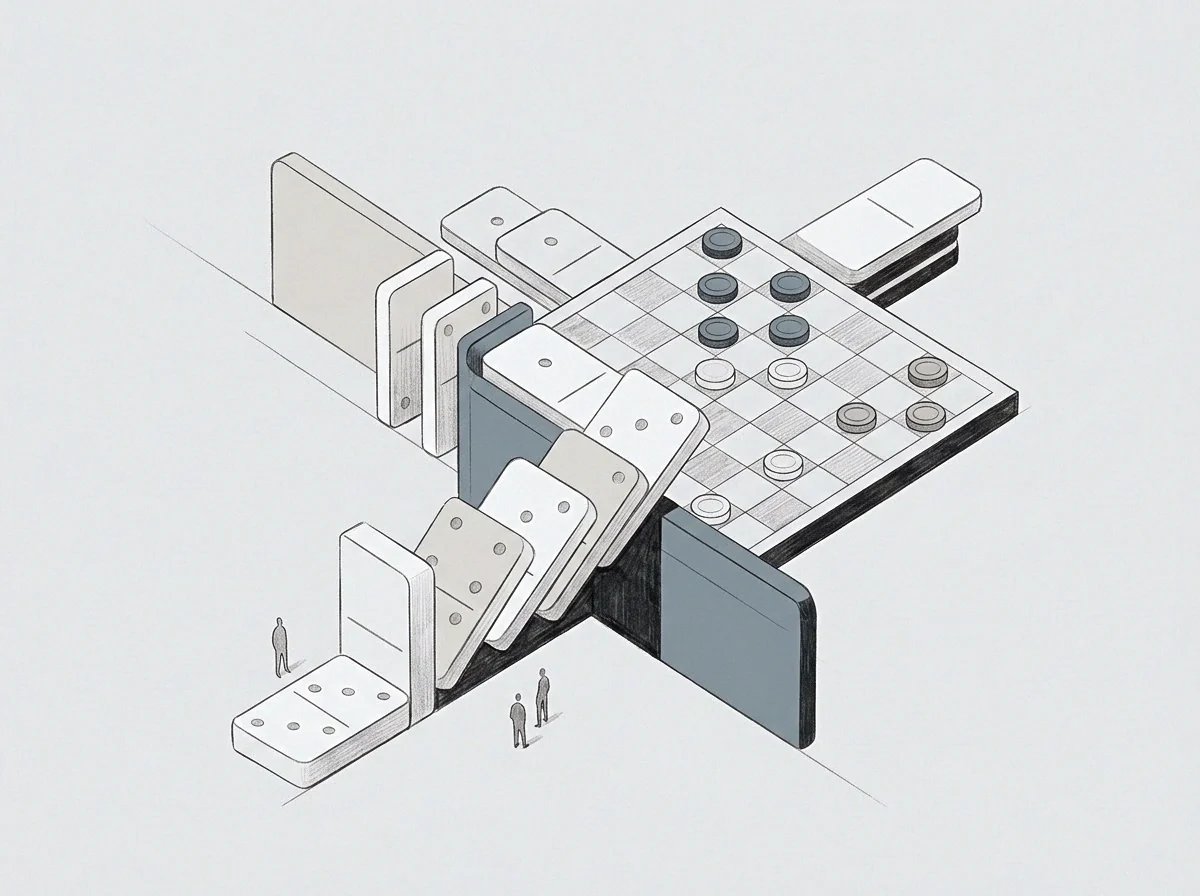
Executive operating autonomy drops when uncodified predecessor information loops force reliance on legacy shadow channels for routine decision approval.

Tacit knowledge codification velocity measures the rate at which implicit founder heuristics convert into external scaffolding without losing operational fidelity.

Enterprise account handover sequences establish performance benchmarks by measuring relationship decay, tacit knowledge capture, and capacity transfer timelines.

Founder transitions yield measurable operational capacity losses when tacit decision heuristics fail to codify during executive handover sequences.
Scaffolding functional authority transfers during leadership transitions stabilizes operations by progressively decoupling decision rights from predecessor presence.

Uncodified operational risk barriers emerge when implicit authority systems and tacit procedures fail to transfer during executive transition sequences.

Corporate charters and delegation deeds separate equity voting power from executive command by confining shareholder influence to director elections.

Calibrating operational triggers in phased successions anchors authority transfers to objective output metrics rather than elapsed calendar dates.

Executive departures expose uncodified operational residue, requiring phased transition sequences to extract tacit knowledge before relational capital evaporates.

Amended corporate charters and sunset terms extinguish negative shareholder vetoes by converting special consent rights into standard equity voting.
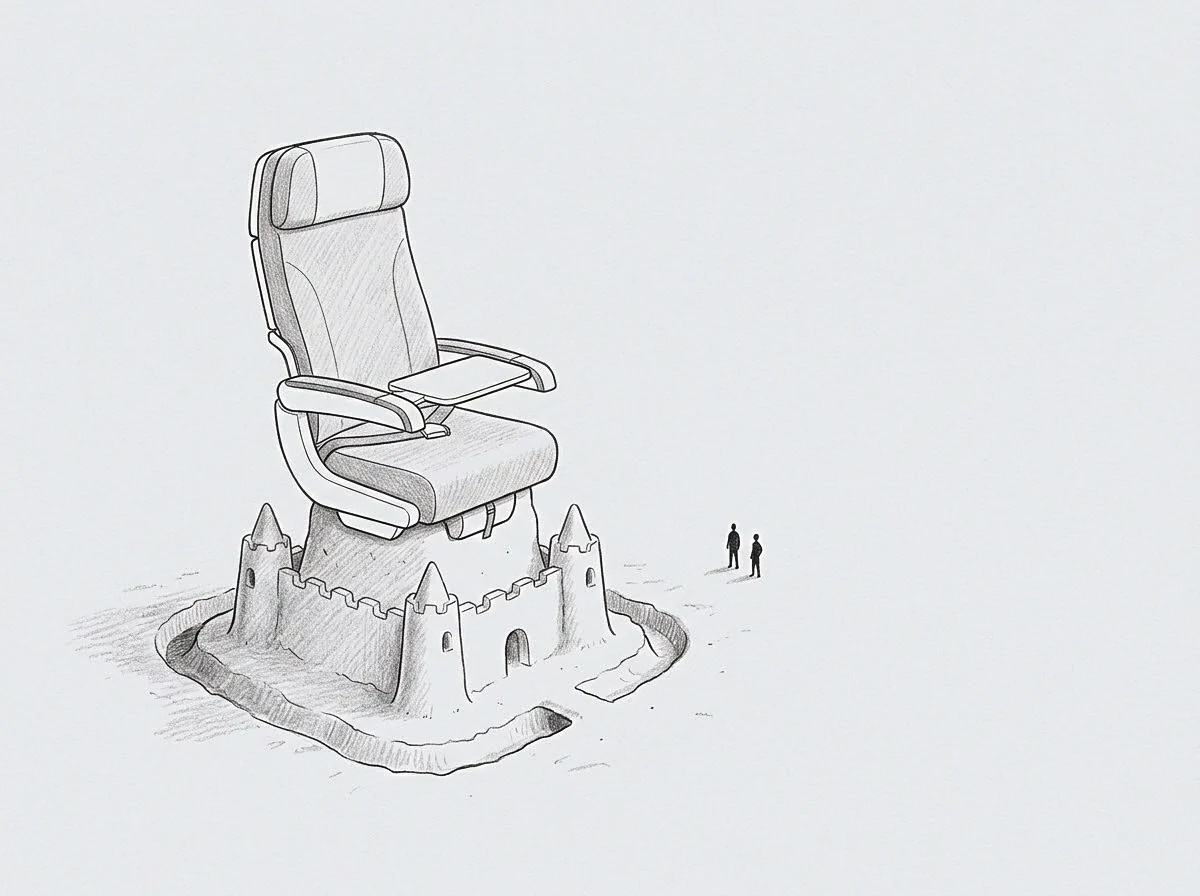
Executive succession transfers operating custody through explicit phased authority milestones while separating enterprise governance from founder equity.
Residual authority drift occurs when departing executives retain informal decision rights, undermining appointed successors across multi-year intervals.

Contingent consideration bridges valuation gaps in service mergers by shifting human capital retention risk to sellers via performance-linked deferred payouts.

Earnout accounting baselines freeze pre acquisition margin rules, exclude buyer overhead, and measure post sale profit against historic billing realization.
Owner operator succession transfers procedural capability through structured co-execution and deliberate scaffold removal rather than static documentation.
The terms are written where they belong. Each field holds three desks, and every entry a desk writes raises the terms it uses, each term given a meaning, a mechanism and the places it appears. The record on these pages stays first person and hand made; the fields grow the nomenclature.