

Tacit Knowledge Extraction and Authority Delegation in Executive Departures
Executive departures stall when title transfer precedes tacit knowledge codification, requiring structured co-decision cycles to delegate authority safely.

Executive departures stall when title transfer precedes tacit knowledge codification, requiring structured co-decision cycles to delegate authority safely.

Operating labor represents an ongoing commercial expense priced at market replacement cost, separate from equity claims on enterprise residual value.

Unilateral seat handovers trigger equity disputes when passive owners retain profits, resolved by offsetting market labor fees against capital distribution pools.

Non-cash waterfall resolution uses binding appraisal procedures and contractual asset ordering rules to distribute mixed cash and illiquid consideration across preferred equity tiers.

Board discretion in private mergers is constrained by fiduciary duties when consideration allocation conflicts with preferred liquidation preferences.

Preferred multipliers set priority dollar returns for preferred shares in company exits before common equity shares receive distribution proceeds.

Operational position charters decouple executive identity from company functions by explicitly codifying decision rights, metrics, and handover criteria.

Judicial review of discretionary asset appraisals in multi-class liquidation waterfalls hinges on whether contractual terms or fiduciary self-dealing triggers deferential business judgment, manifest error, or entire fairness scrutiny.

A founder veto transitions into standard board governance through automatic share conversions and shrinking reserved matter schedules upon operational exit.

Statutory corporate asset splits require full creditor satisfaction and solvency verification before physical or intellectual assets divide among equity holders.

Separating technical work from management in small firms requires partitioning production craft from supervisory oversight into distinct calendar blocks and explicit roles.

Forced equity redemptions execute through operating agreement protocols that convert ownership shares into deferred debt using formulaic or appraised valuations.
Operational continuity protocols isolate executive seats from personal operating habits by converting unwritten authority into stage-gated corporate procedures.
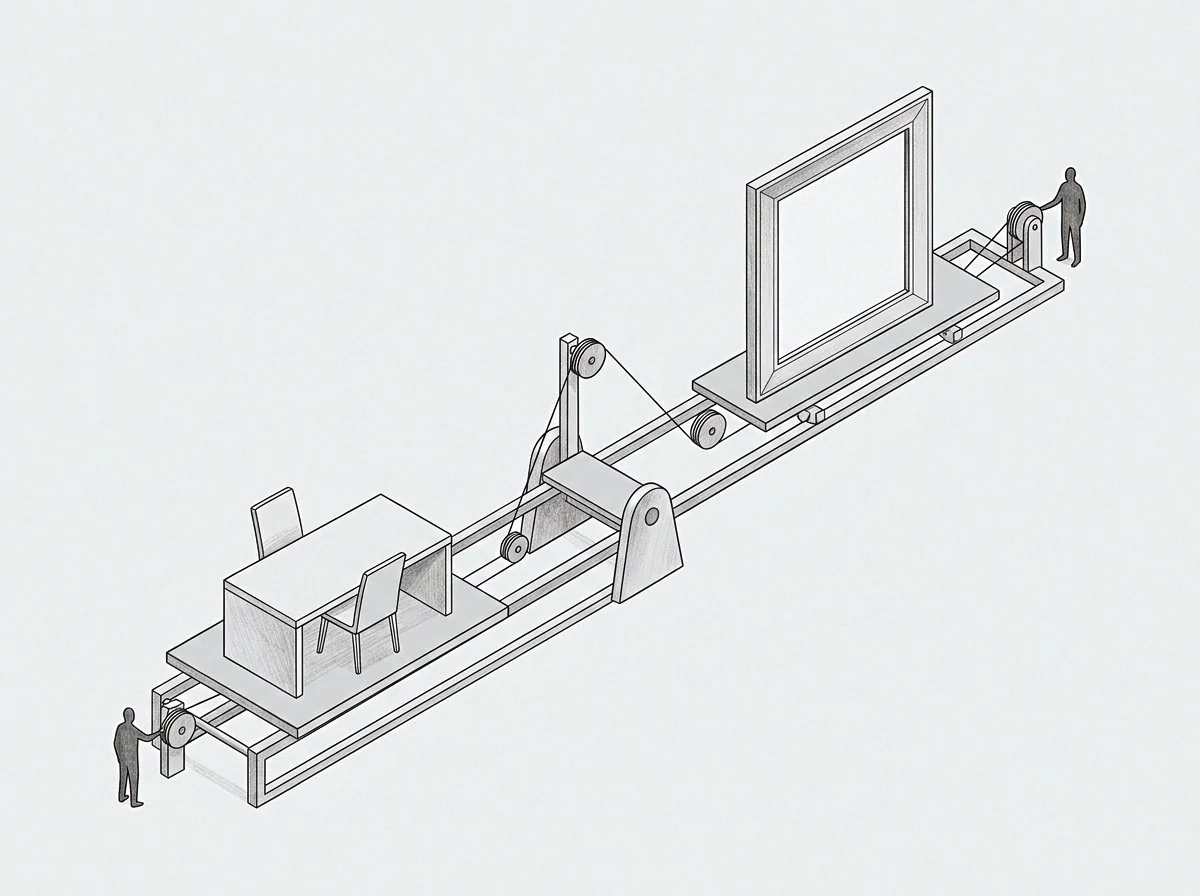
Successor operators resolve retained equity disputes by executing formal stock redemptions or profits interests that decouple historical equity from governance.

Deferred sweat equity conversions in pay to play rounds trigger immediate ordinary income taxes when accrued labor obligations convert into taxable equity.

A valuation floor in sweat debt conversion establishes a minimum share price baseline that prevents hyper-dilution of founder equity during recapitalization down rounds.

Operational veto rights protect enterprise integrity only when restricted to balance sheet encumbrances and governed by explicit financial sunset triggers.

Preferred investors demand that existing common equity holders execute reverse vesting agreements with repurchase options before Series A capital closes.

Enforcing LLC operating agreements during equity conflicts requires applying written vesting, dilution, and dissociation clauses to separate ownership from work.

Equity divestment without technical and administrative credential revocation preserves de facto manager exposure and apparent agency liabilities.

Disputed equity cancellations require concurrent cap table restatements and tax indemnity clauses to offset unrecoverable income inclusions.

Board members isolate fiduciary liability during mandatory executive clawback actions through independent enforcement committees and strict indemnification boundaries.

Delegation schedules in small business purchase agreements define functional phase gates, step-down hours, and decision rights for post-closing operational transfer.

Extracting tacit operational habits into codified procedures converts personal executive labor into institutional enterprise equity before selling shares.

Departing equity holders blocking charter amendments yield when non-consensual rights issues reallocate voting control or statutory restructuring erases covenants.

Separation agreements value unvested equity through formulaic discounts, option pricing models, or forfeiture clauses determined by departure status.

Consensual equity clawbacks in out of court restructurings operate through credit amendments and escrow releases triggered by financial covenant breaches.

Majority equity ownership creates structural decision latency when informal shareholder overrides bypass formal board delegation.

Executive decision handover latency measures operational delay between formal leadership succession and unratified decision execution by incoming executives.

Aligning deferred financial payouts with verified account handover milestones prevents premature partner departure and protects client retention in professional services firms.
The terms are written where they belong. Each field holds three desks, and every entry a desk writes raises the terms it uses, each term given a meaning, a mechanism and the places it appears. The record on these pages stays first person and hand made; the fields grow the nomenclature.