

Separating Economic Ownership From Operational Consent Rights After Executive Departure
Separating economic equity from operational consent rights requires automatic stock class conversion or irrevocable voting proxies executed upon executive exit.

Separating economic equity from operational consent rights requires automatic stock class conversion or irrevocable voting proxies executed upon executive exit.

Operational role boundary collapse erodes enterprise authority structures by replacing explicit domain governance with invisible, unassigned management overhead.

Pre-seed equity discrepancies are resolved through board-approved share repurchases, voluntary equity surrenders, and binding mutual releases executed before seed funding closing.

Restructuring reserved matters replaces early blanket shareholder vetoes with tiered monetary limits and board majority voting to preserve operational speed.

Executive board control rebalances after partial founder divestment through dual class shares, voting agreements, and independent directorship seat provisions.

Sacrificing executive role margins to line-level tactical execution introduces key-person dependencies that depress earnings multiples and destroy enterprise value.

Unsanctioned shadow governance emerges when departing leaders retain operational access, enabling informal backchannels that subvert successor executive control.

Capacity partitioning contracts reserve operational hours for owner operators facing sustained tactical shocks, isolating owner seat governance from technical labor.

Operational hours limits protect technical integrity by replacing unmanaged overtime with contractual capacity caps during client demand surges.

Executive operating autonomy drops when uncodified predecessor information loops force reliance on legacy shadow channels for routine decision approval.

Executive seats require redundant operational labor buffers when transaction surges cost more in lost strategic output than carrying excess baseline payroll.

Decision latency during executive handovers tracks the temporal expansion between operational triggers and authorized determinations across ownership transitions.

Secondary stock transfers by founders automatically convert high-vote equity into standard common stock upon breaching charter thresholds or sale limits.

Multi-seat founder operators defend strategic capacity by establishing explicit role boundaries, mapping tacit work, and transferring tactical operational duties.

Uncodified knowledge and relational capital survive crisis executive transitions through structured shadow pairing and rapid key counterparty trust stabilization.

Dual class voting rights assign unequal governance control per share, separating voting weight from economic participation through multi-class charter structures.

Delaware Chancery resolves conflicting class voting in down rounds by strictly construing charter terms while subjecting conflicted insider recaps to entire fairness review.
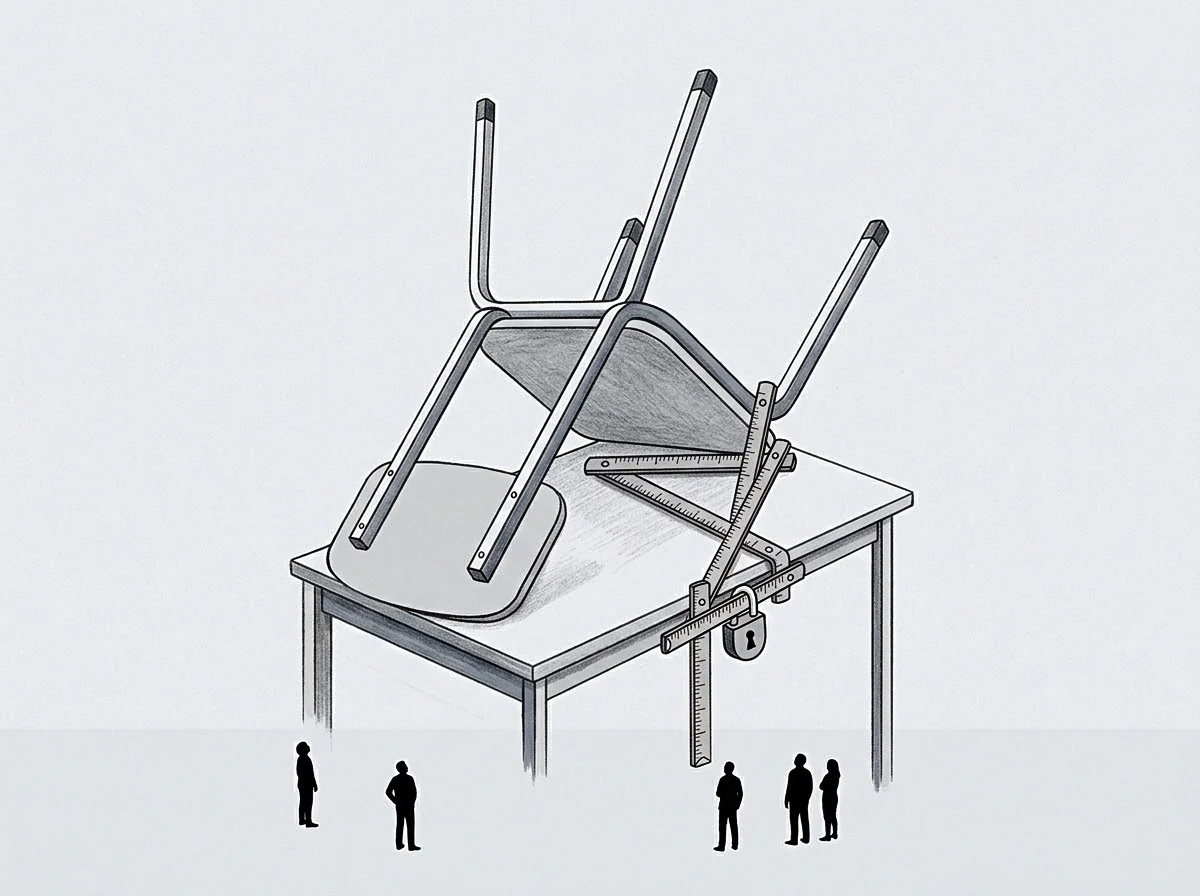
Operational boundary covenants enforce management authority by stripping former executives of unrouted operational access during organizational stress.

Delaware preferred share series derive their rights entirely from explicit charter language enacted by board authorization under statutory blank check authority.

Role limits survive workload spikes only when automated intake controls prevent informal task spill into senior governance seats.

Successor authority survives market contraction through explicit emergency scopes, singular board communication, and contractual capital intervention triggers.

Decoupling account maintenance from expansion through tiered decaying retention pools secures founder client relationships without inflating successor bonuses.

Drafting stockholder agreements to prevent class voting disputes requires aligning contractual drag-along waivers with statutory charter class voting thresholds.

Contractual mechanisms enforce delegated executive jurisdictions under majority owners through negative covenants, voting proxies, and accelerated put options.

Divergent common equity classes create transaction overhead during exits, requiring pre-closing recapitalizations or standardized hurdles to streamline distributions.

Corporate authority divides into fiduciary equity oversight preserving enterprise solvency and delegated executive management executing daily operational targets.

Bad leaver repurchase triggers enable private entities to reclaim equity at discounted rates or nominal value upon specific material breaches or early operator departure

Non executive equity pools isolate economic growth from corporate voting control using standardized option tiers and protective share repurchase covenants.

Account governance structures maintain transitional continuity by decoupling authorization rights from personal identity through progressive gating sequences.

Middle market capital governance separates operational management wages from equity dividends through formal operating contracts and structured voting classes.
The terms are written where they belong. Each field holds three desks, and every entry a desk writes raises the terms it uses, each term given a meaning, a mechanism and the places it appears. The record on these pages stays first person and hand made; the fields grow the nomenclature.