Meaning
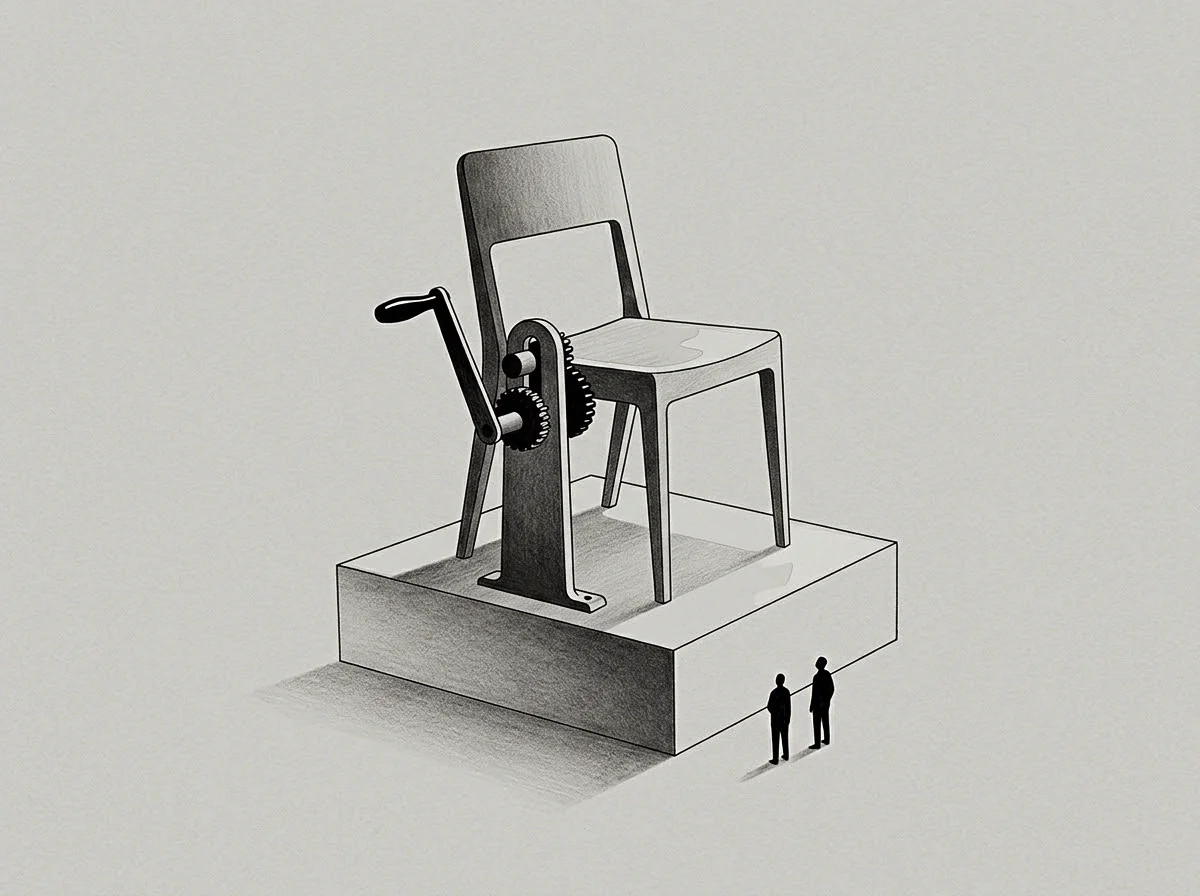
Transfer of operational control from a departing founder to a successor constitutes the formal exchange of executive authority. This handover requires the systematic relocation of decision rights and information access from the originator to the new occupant of the role. The process defines the boundary where individual discretion ends and institutional continuity begins.
Operating Mechanics
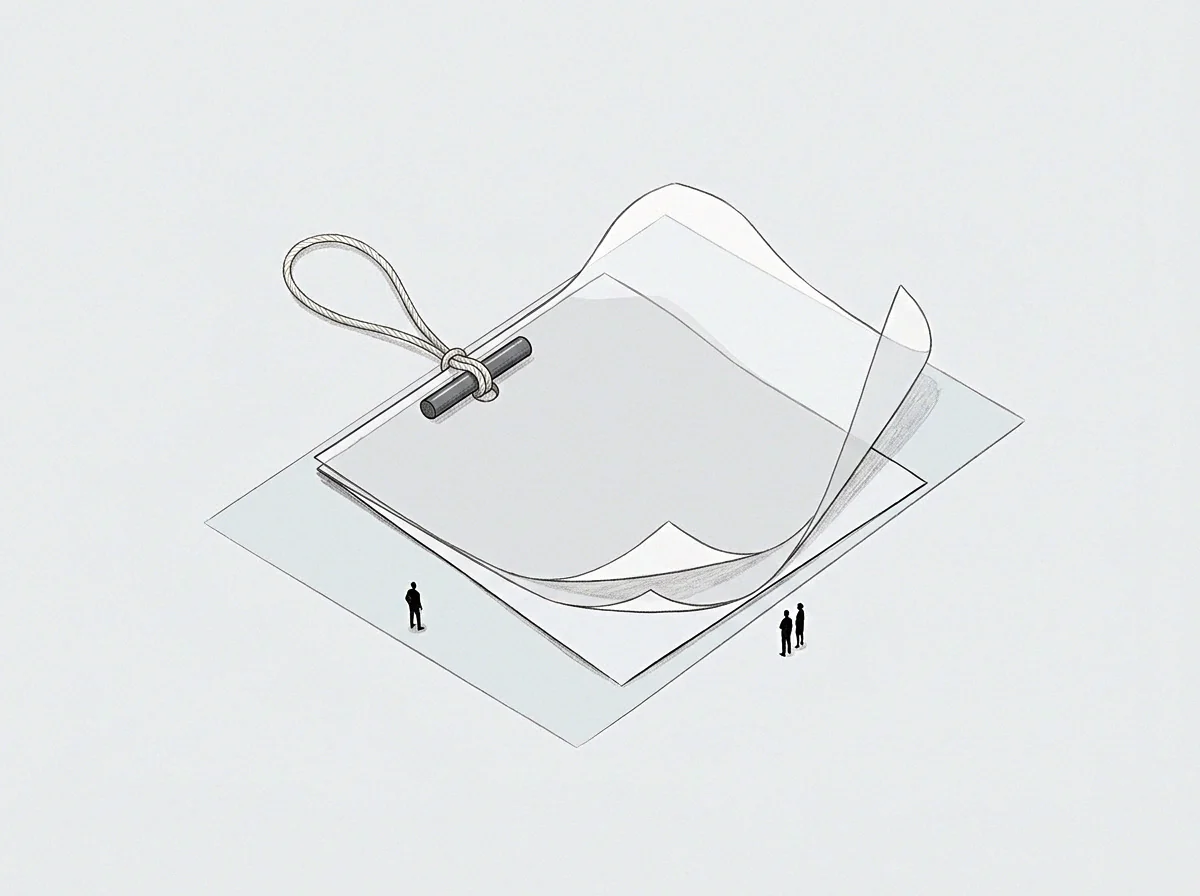
Administrative duties and relationship oversight move during this period through a series of planned meetings and document reviews. A founder provides the successor with historical context and ongoing project statuses while ensuring that access to proprietary systems transitions fully. The incoming holder of the seat absorbs the obligations of the post through direct observation of existing internal workflows.
Sudden changes in communication protocols often signal the completion of this transition.
Resource Burden
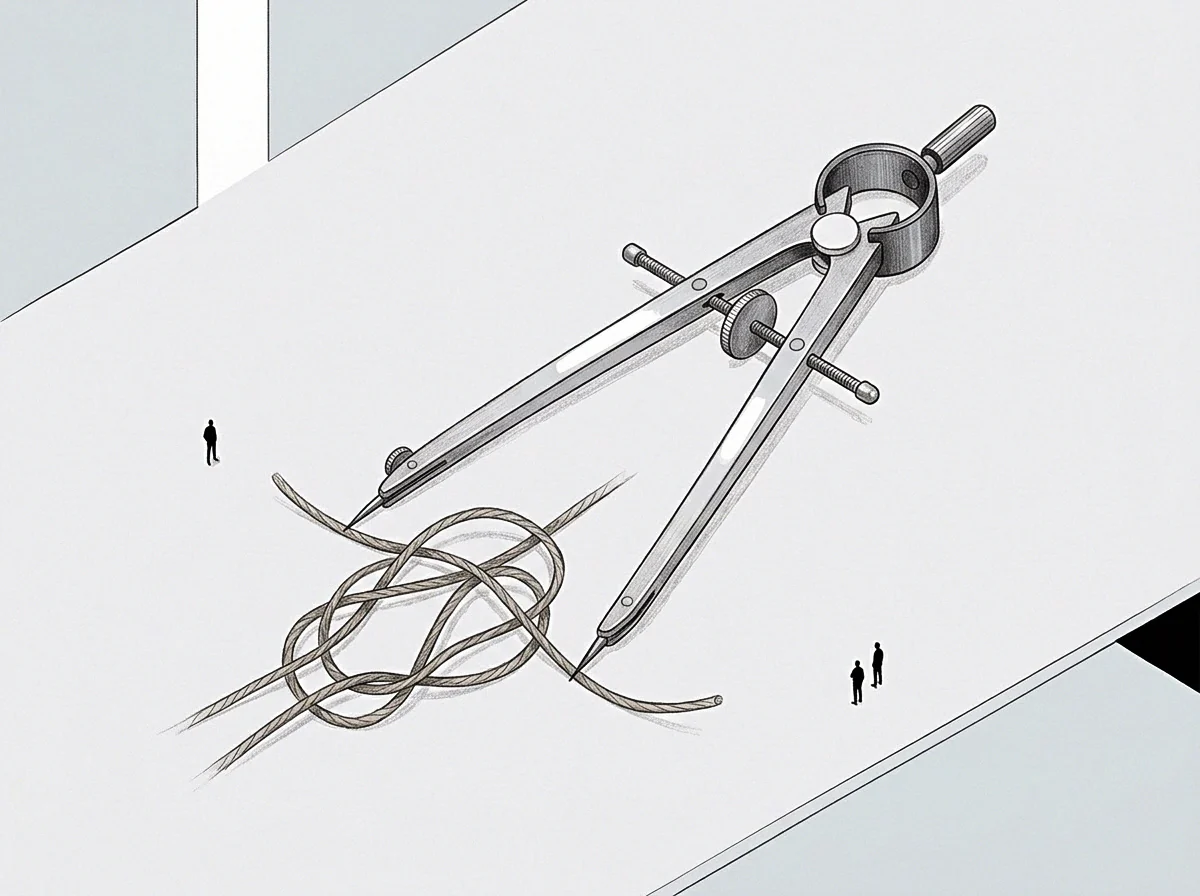
Professional attention and mental energy are consumed by this transfer of obligations. The departing founder must allocate blocks of time to train the successor while maintaining current performance levels. Excessive demands on this limited capacity during the transition period risk reducing the quality of information provided to the replacement.
A stable transfer minimizes the depletion of human and technical capacity during the change of leadership.
Executive Constraint
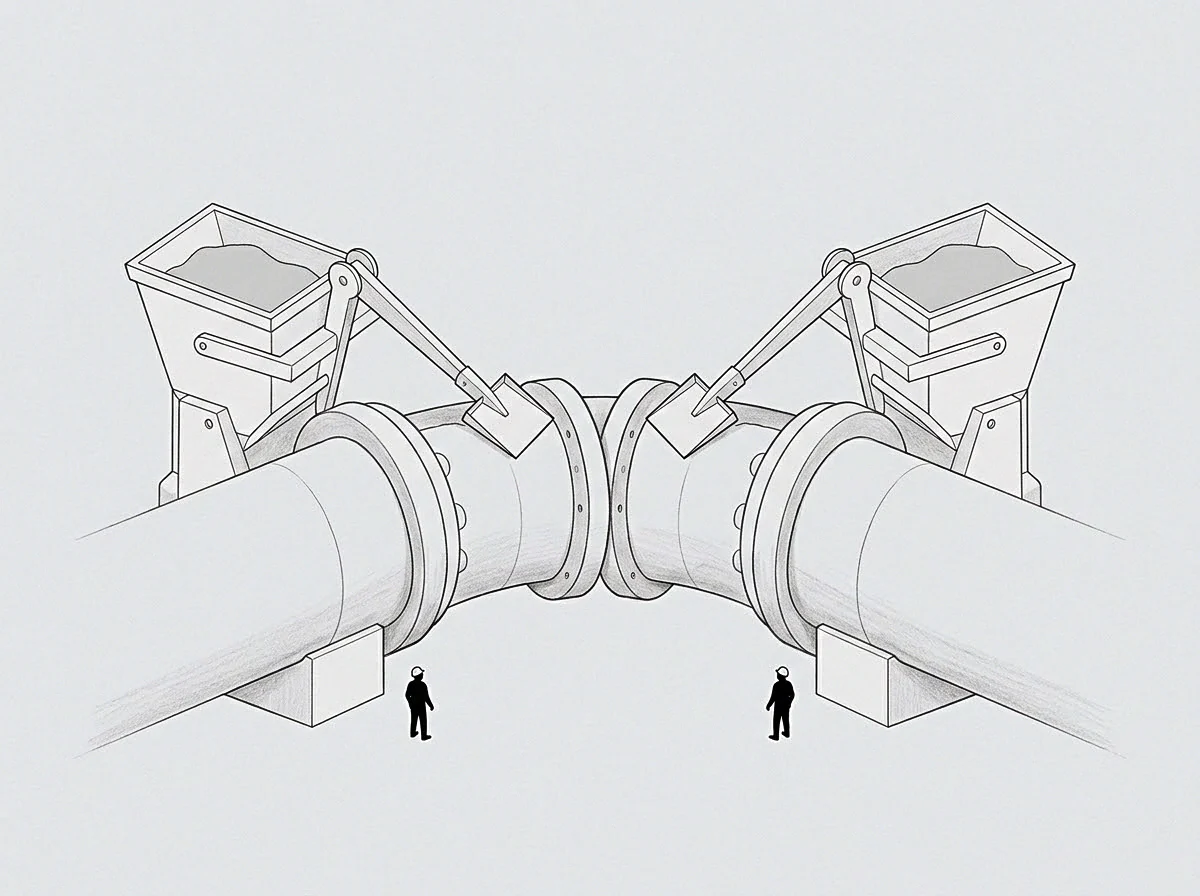
Structural requirements dictate the timing and scope of this exit from the seat of authority. Internal governance policies specify the documentation and verification steps necessary to validate the movement of power. Clear definitions of reporting lines and resource access minimize disputes between the outgoing founder and the remaining management team.
The integrity of a company depends upon the precision with which these responsibilities shift.