Meaning
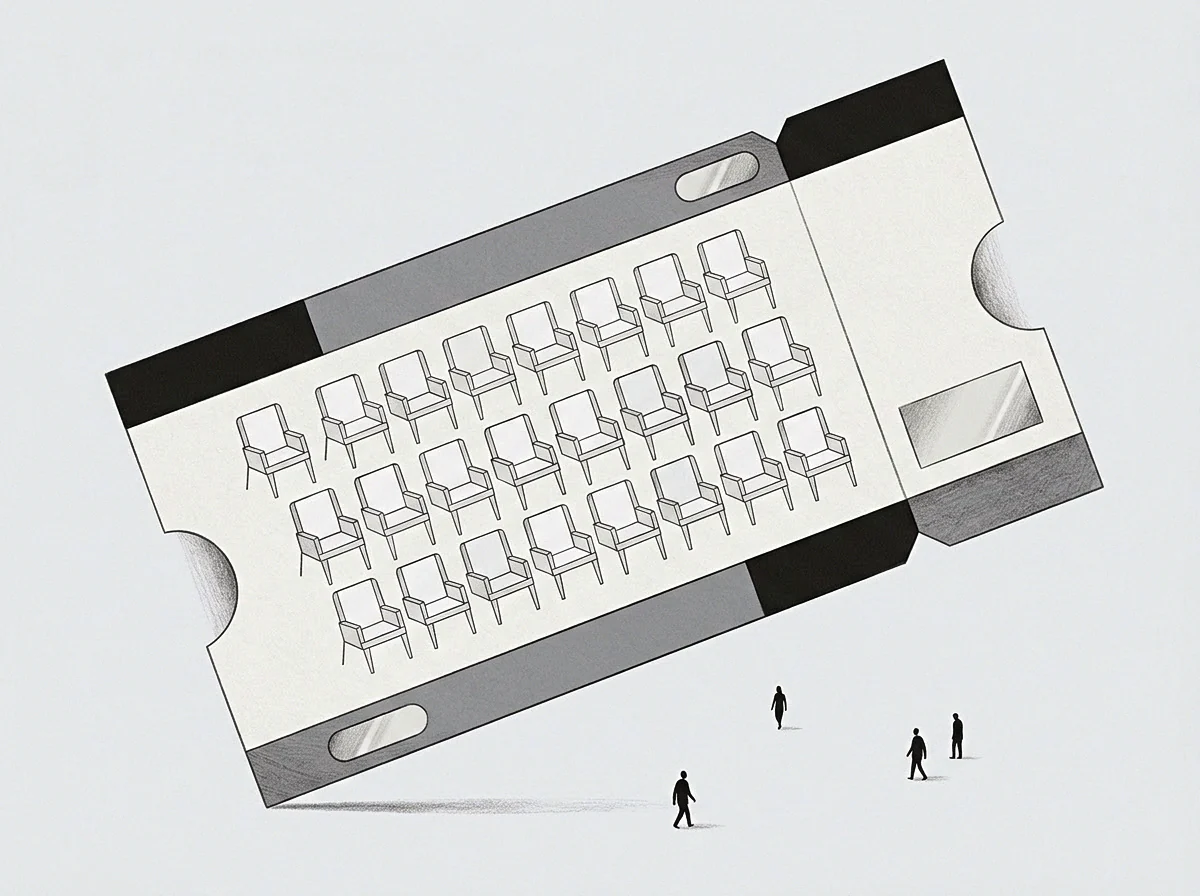
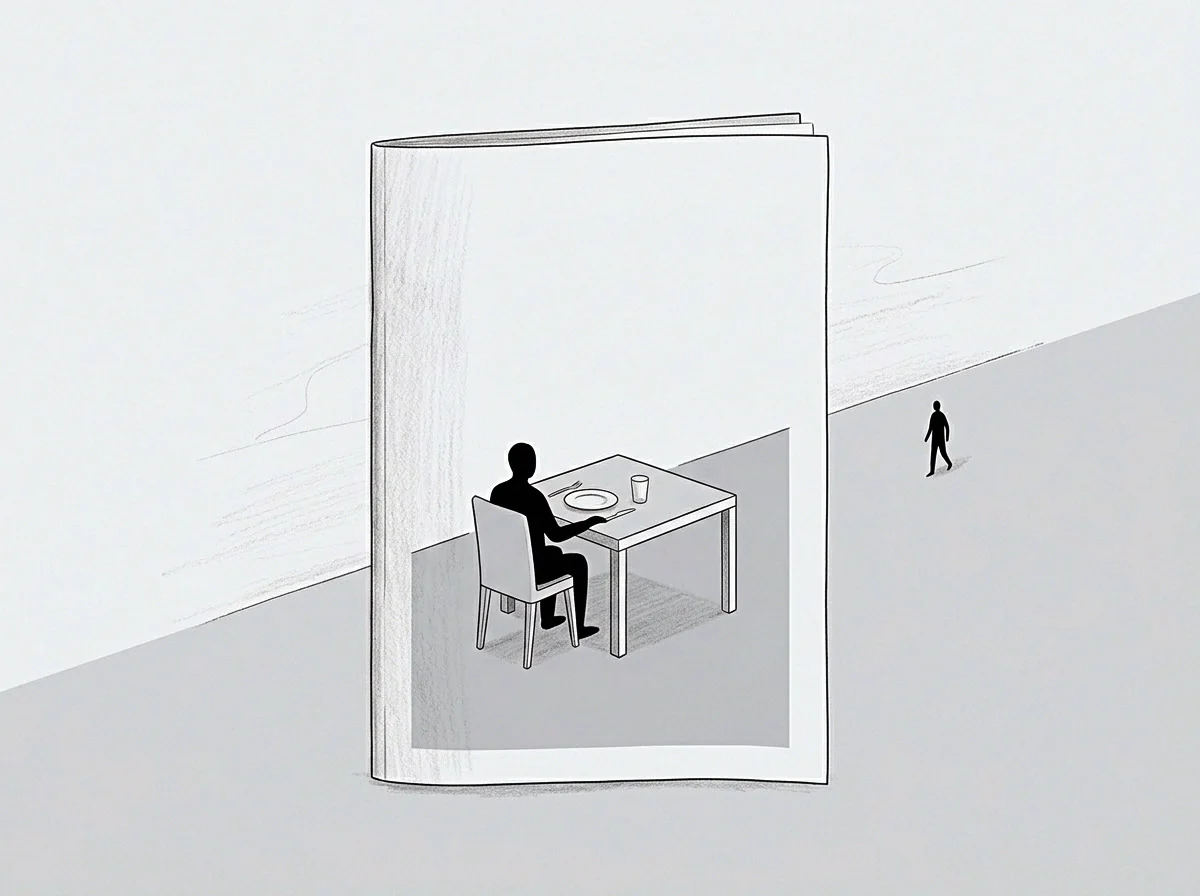
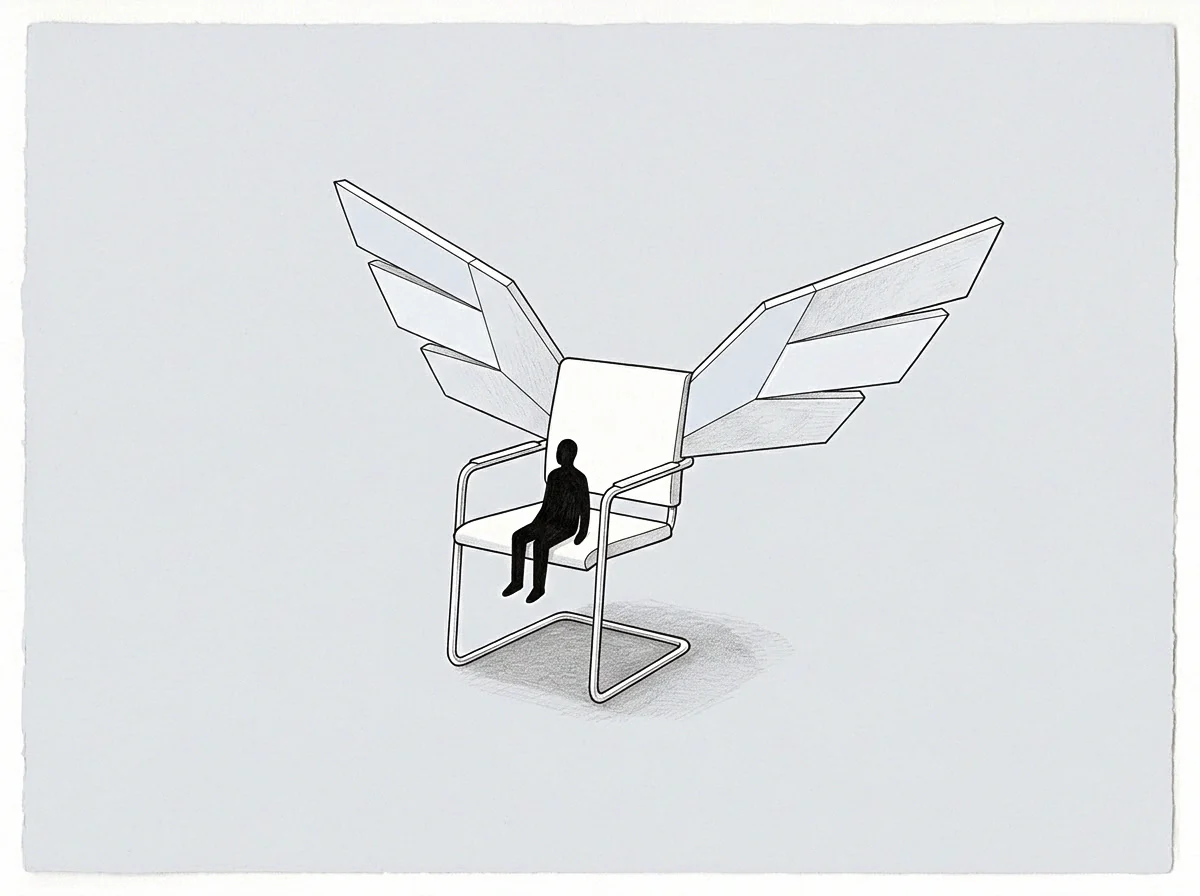
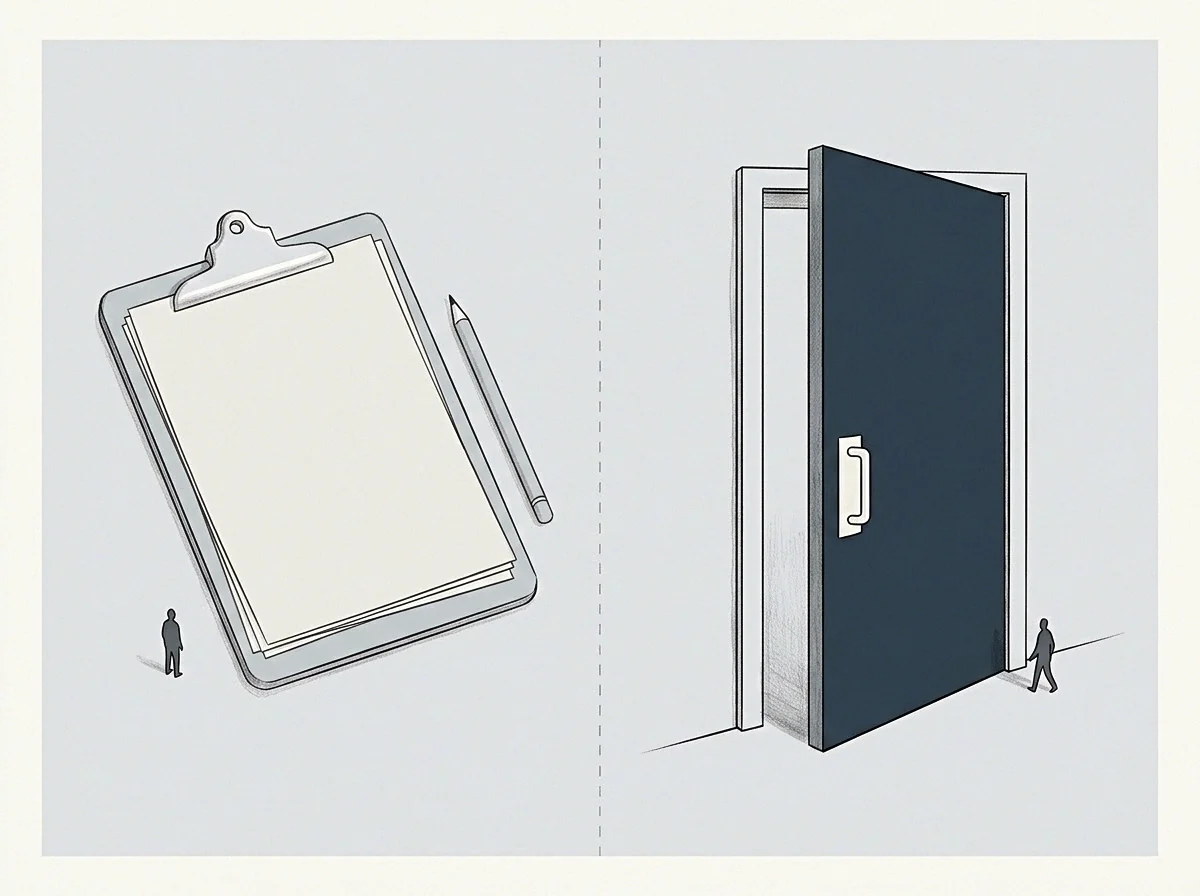
Informal role definitions arise from the unique personality and individual habits of the person currently occupying a position. A worn seat lacks the rigid boundaries of a formal job description because the occupant has shaped the role to fit themselves over time. The seat returns to a standard form only when the occupant leaves and a new person takes over.
Personal Imprint
Every decision and process is influenced by the individual’s particular way of doing things. This makes the role highly efficient for the current occupant but very difficult for anyone else to understand.
Hidden Expectation
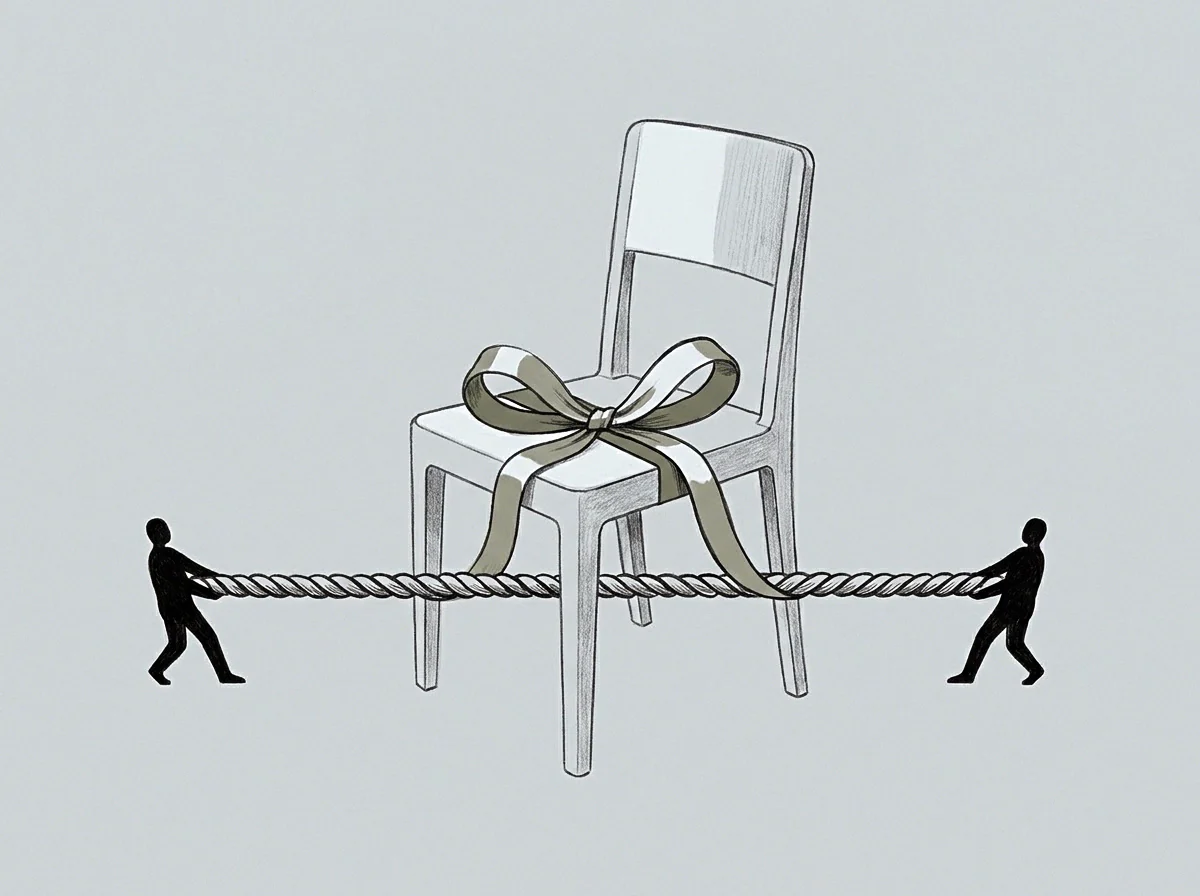
Others in the organization begin to expect the seat to function in a specific way based on the current person’s behavior. These unwritten rules are never discussed but are felt by everyone who interacts with the position.
Replacement Friction
Finding a successor is difficult because no candidate will perfectly match the eccentricities of the previous occupant. A new person will often struggle to meet the informal expectations that were built up over years. The energy cost of adapting to a worn seat is high for both the newcomer and the rest of the team.
Success requires stripping away the personal habits to reveal the formal requirements of the role. Formalizing a seat is the only way to ensure the organization can survive a change in leadership.