

Operational Capacity Protection During Extended System Operations Crises
Extended operational crises destroy capacity through role convergence and fatigue; survival requires strict triage, external cordons, and mandatory rest.
Extended operational crises destroy capacity through role convergence and fatigue; survival requires strict triage, external cordons, and mandatory rest.

Founder managed service firms hit structural limits when technical labor consumes governance capacity, requiring role unbundling to reallocate equity accurately.

Predetermined contractual triggers govern structural labor reserves across multi-quarter volatility, separating managerial allocation from capital preservation.
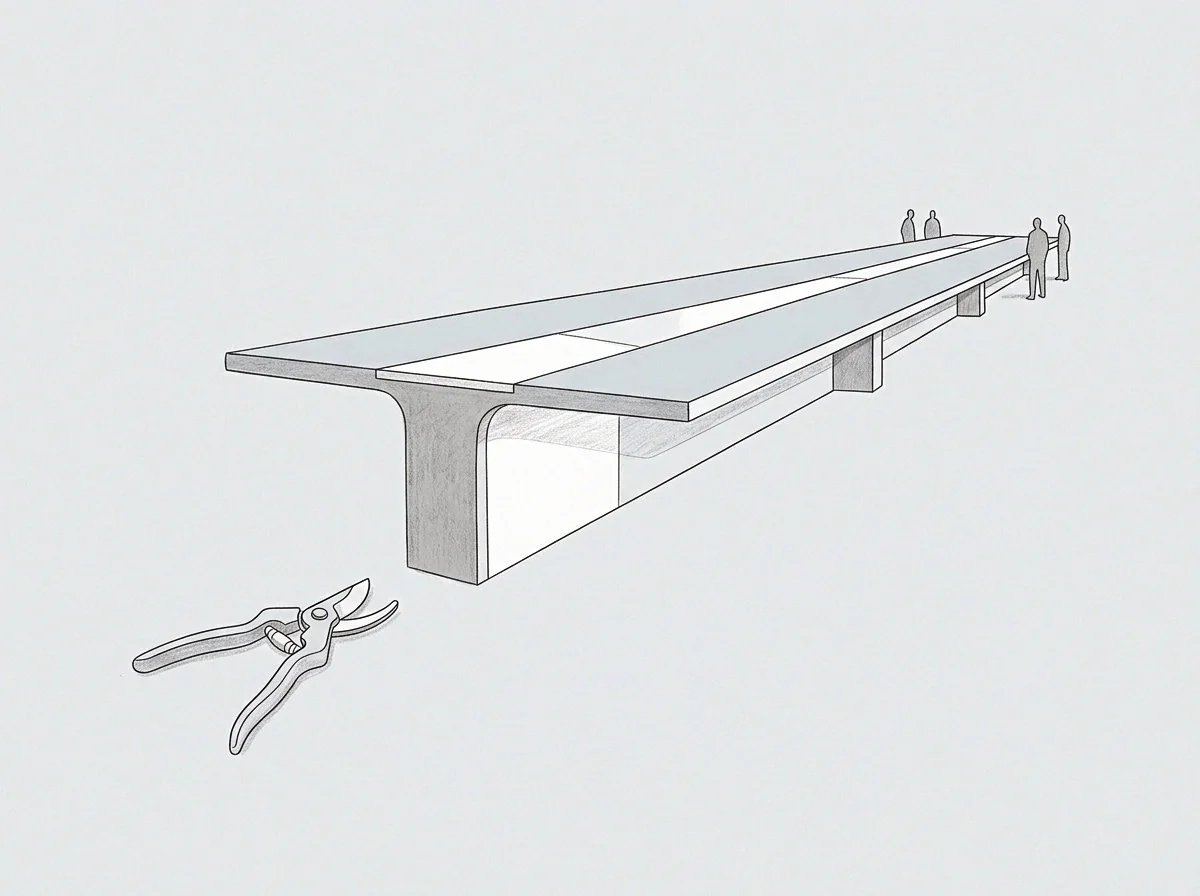
Excess operational headcount displaces executive capacity when marginal coordination hours exceed the market wage equivalent of replacement executive labor.
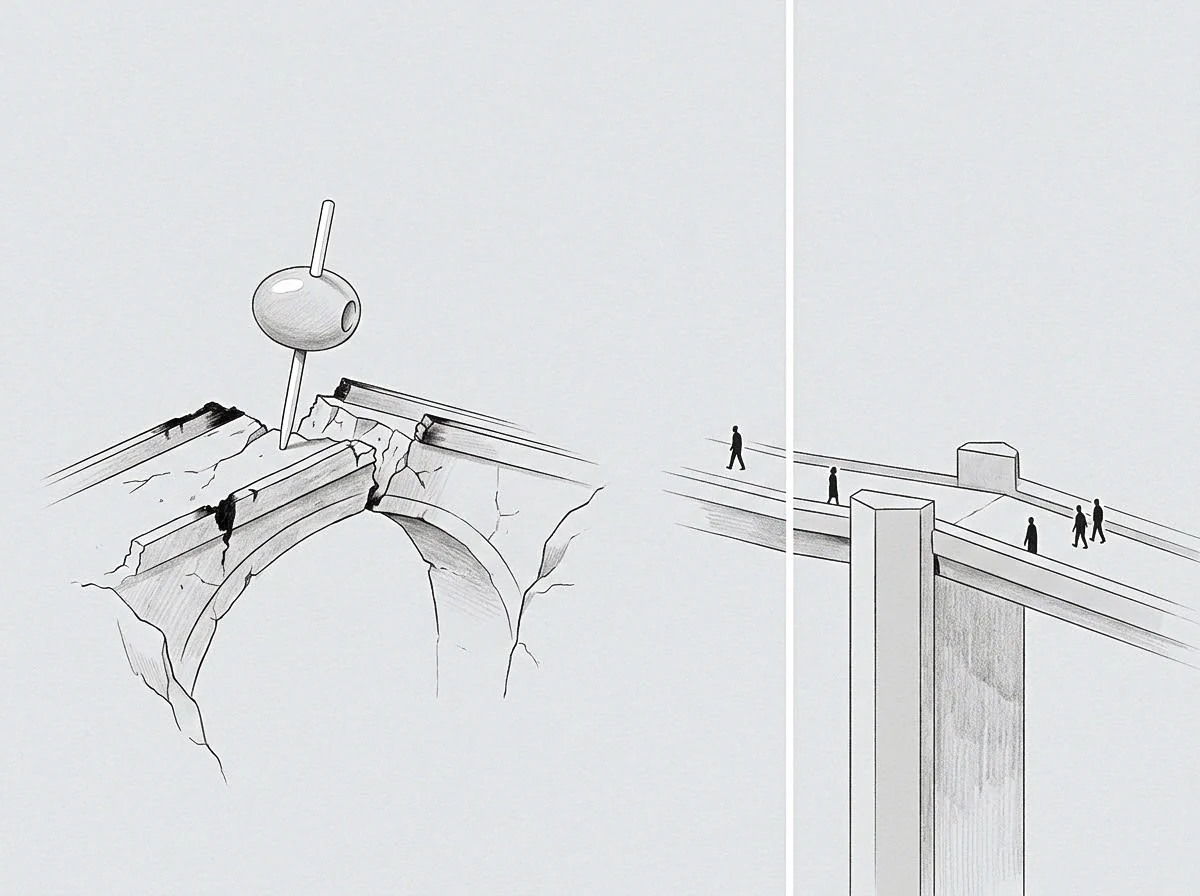
Executive capacity protection decouples operational dispatch from strategic sovereignty by pairing principals with secondary operators holding terminal decision rights.

Quantifying operational switching costs reveals hidden capacity losses when one executive simultaneously juggles production, management, and governance duties.

Early stage role allocation requires decomposing overlapping operational posts into explicit contractual stations compensated at market wages prior to equity yields.

Hard intake throttles and explicit triage triggers isolate frontline execution from managerial oversight during peak volume shocks.

Contractual governance firewalls protect minority executives by reserving operational spheres, restricting shareholder intervention, and securing exits.

Retained board vetoes sever executive accountability from strategic authority, creating operational paralysis that only contractual carveouts and share class sunset conversions can permanently resolve.

Buy-sell agreements decouple operational labor from equity ownership by defining clear departure triggers, normalized valuation formulas, and deferred debt notes.

Transferring architectural veto rights requires replacing discretionary founder negative votes with quantitative system thresholds and escalating capital liabilities.

Technical execution delegation replaces implicit founder sign-off loops with explicit authorization thresholds, structured knowledge extraction, and objective architectural governance.
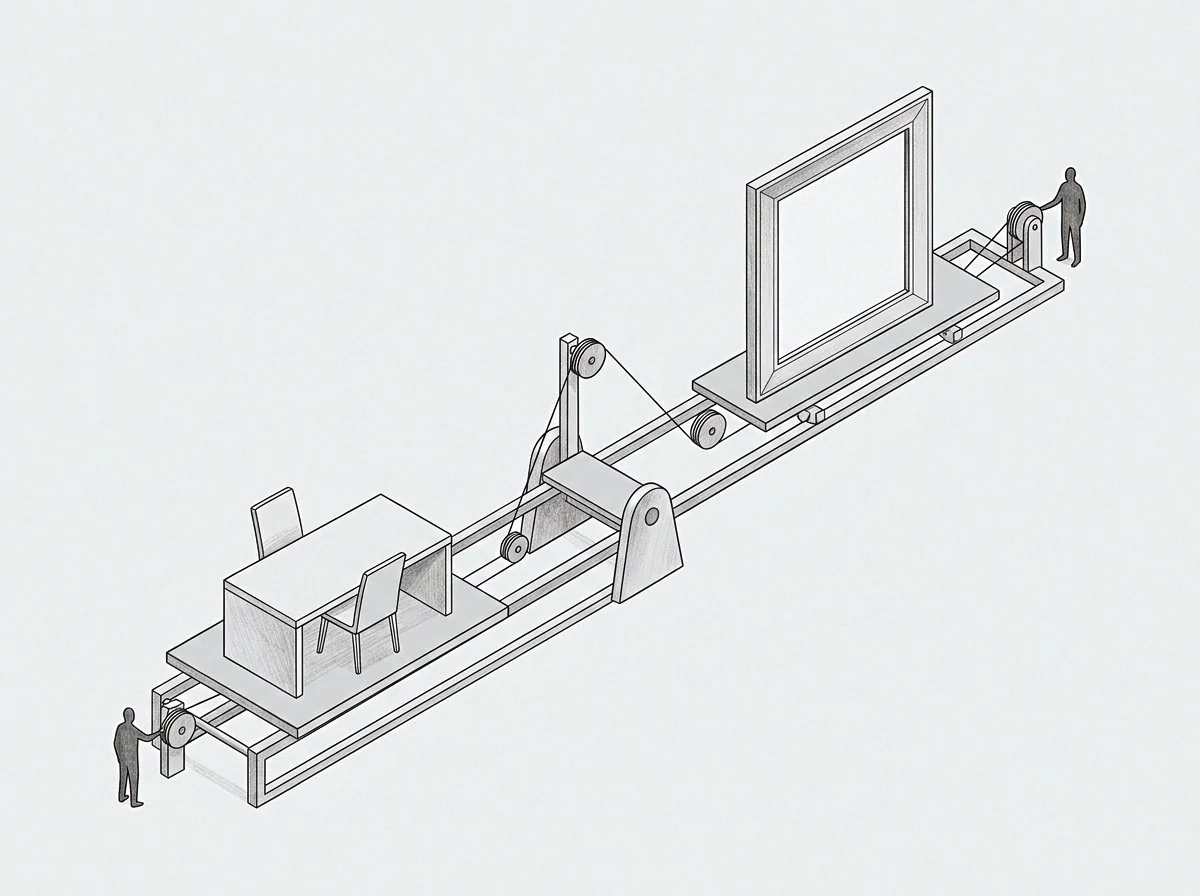
Decoupling governance seats from execution seats separates capital allocation authority from daily operational labor through formal delegated authority limits.

Tactical context switching between execution and governance destroys cognitive capacity through persistent attention residue and high transition latency.

Contractual extraction unbundles technical production seats from equity ownership through formal separation agreements, access escrow, and governance restructuring.

Corporate governance establishes fiduciary oversight of enterprise assets while technical output executes code changes under managerial delegations of authority.

Separating new bookings from account retention under rising targets reallocates pipeline discovery risks to post-sale margins.

Post-founder governance friction resolves by coupling executive resignation with automated conversion of supervoting stock into common single-vote equity.

Operational authority grants immediate commercial execution rights within approved budgets, whereas shareholder equity governance regulates capitalization and ownership decisions.

Executive seat unbundling transfers specialized operational and technical authorities to dedicated officers to eliminate organizational bottlenecks at scale.

Structural separation detaches daily operational executive command from corporate equity ownership through explicit board charters and delegation terms.

Private corporate restructuring relies on drag-along triggers, class recapitalizations, and voting agreement amendments to remove non-operating minority vetoes.
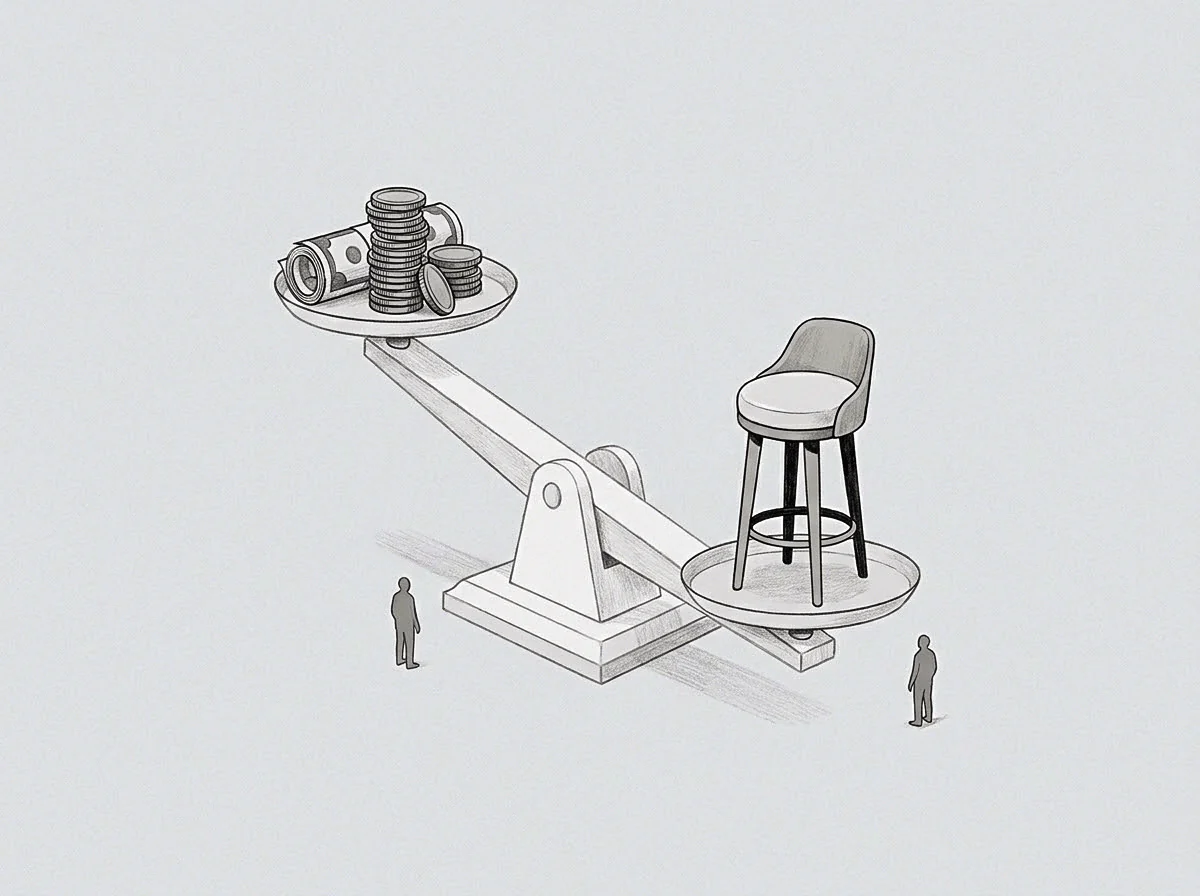
Negative covenants granting minority capital veto rights over executive hiring freeze key management seats and transfer massive operational strain to founders.

Contractual mechanical buyout formulas enforce agreed share prices against departed equity holders when accounting controls remain consistent and transparent.

Dual class equity grants statutory voting dominance while specific contractual covenants protect the owner's daily operational authority from investor challenge.

Executive salaries compensate daily operational labor at market value, while equity splits divide long-term enterprise ownership and risk among shareholders.

Uncompensated operational labor converts into senior corporate debt to offset static equity claims held by non-operating partners during corporate separation.

Dynamic buyback covenants and reverse vesting schedules allow surviving founders to repurchase common equity at par value upon unilateral executive departures.
The terms are written where they belong. Each field holds three desks, and every entry a desk writes raises the terms it uses, each term given a meaning, a mechanism and the places it appears. The record on these pages stays first person and hand made; the fields grow the nomenclature.