
Resolving Retained Equity Disputes Between Successor Operators And Non-Operating Owners
Successor operators resolve retained equity disputes by executing formal stock redemptions or profits interests that decouple historical equity from governance.
Successor operators resolve retained equity disputes by executing formal stock redemptions or profits interests that decouple historical equity from governance.

Executive seat transitions succeed when corporate governance explicitly decouples operational mandate from share ownership through binding legal delegation.

Context switching between tactical execution and strategic governance forces working memory reloads, creating attention residue that degrades executive capacity.
Backlog volume exerts downward gravity on software executives, compressing technician, manager, and corporate seats into a short-horizon triage loop.

Converting tacit production into scaled operations requires codifying unpriced maintenance hours into bounded operational agreements with explicit service limits.

Converting executive founder common shares into non-voting stock separates economic equity claims from corporate governance authority through tax-free charter recapitalizations.

Tacit knowledge extraction converts unwritten founder routines into explicit, assignable seats before acquisition, removing key-person valuation discounts.

Operational routines extract from personal habit into documented authority structures to eliminate buyer discounts prior to selling corporate equity.

A successor operator equity buyout transfers ownership by amortizing departing equity through staged company redemptions and subordinated seller notes.
Enforcing operating agreement buyout protocols requires strict adherence to notice terms and appraisal formulas to secure judicial conveyance of company equity.

Subordinated redemption notes issued during contested partner evictions convert equity into junior corporate paper that fails under statutory solvency tests.

Uncompensated operational labor converts into senior corporate debt to offset static equity claims held by non-operating partners during corporate separation.

Executive salaries compensate daily operational labor at market value, while equity splits divide long-term enterprise ownership and risk among shareholders.

Contractual mechanical buyout formulas enforce agreed share prices against departed equity holders when accounting controls remain consistent and transparent.

Negative covenants granting minority capital veto rights over executive hiring freeze key management seats and transfer massive operational strain to founders.

Operational authority grants immediate commercial execution rights within approved budgets, whereas shareholder equity governance regulates capitalization and ownership decisions.
Decoupling governance seats from execution seats separates capital allocation authority from daily operational labor through formal delegated authority limits.

Transferring architectural veto rights requires replacing discretionary founder negative votes with quantitative system thresholds and escalating capital liabilities.

Retained board vetoes sever executive accountability from strategic authority, creating operational paralysis that only contractual carveouts and share class sunset conversions can permanently resolve.
Excess operational headcount displaces executive capacity when marginal coordination hours exceed the market wage equivalent of replacement executive labor.

Predetermined contractual triggers govern structural labor reserves across multi-quarter volatility, separating managerial allocation from capital preservation.

Founder managed service firms hit structural limits when technical labor consumes governance capacity, requiring role unbundling to reallocate equity accurately.

Calendar block allocation partitions executive working time into discrete, defended durations that isolate technical execution from strategic governance.
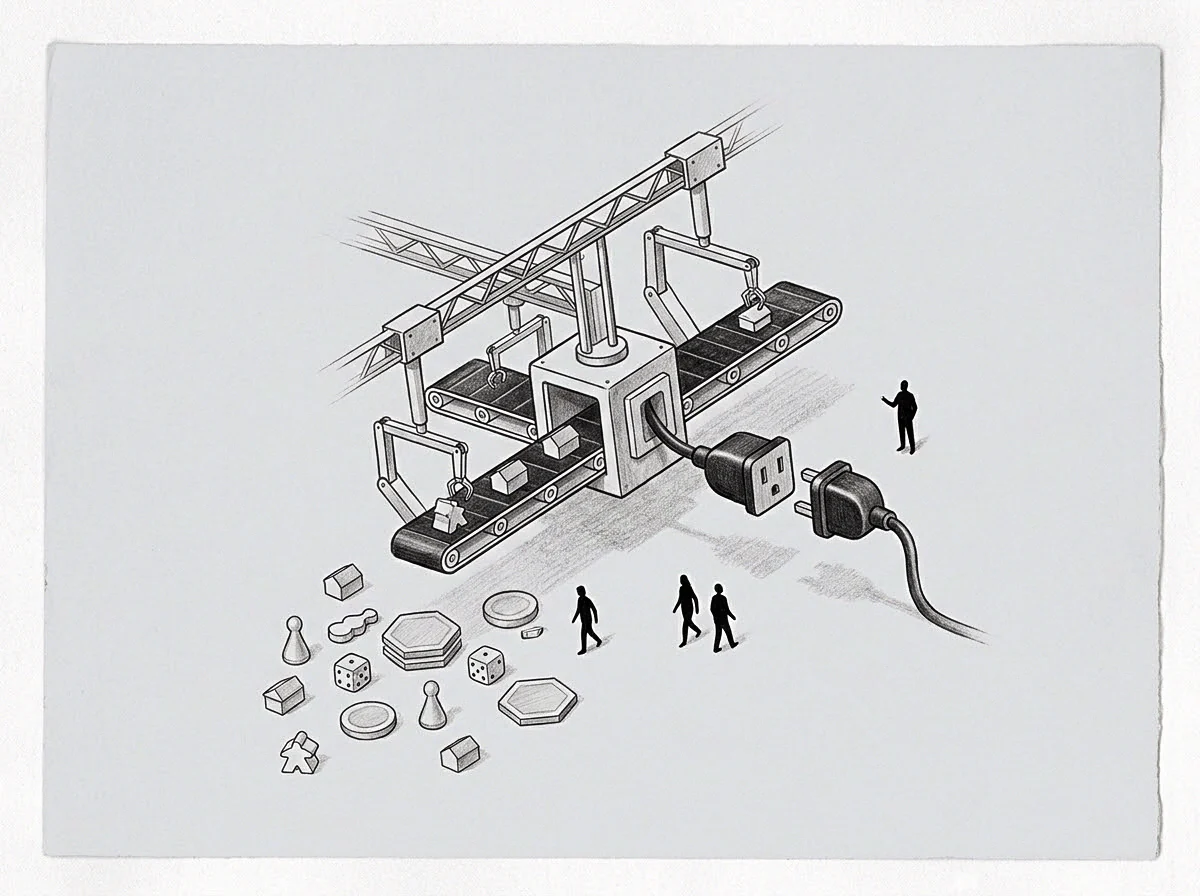
Rapid alternation between tactical execution and capital allocation causes attentional residue that consumes up to twenty percent of daily productive capacity.

Corporate statutory duties circumscribe operational autonomy by subordinating shop floor discretion to procedural checks and fiduciary oversight obligations.

Operational interruptions transfer into executive allocations when unmediated alerts and missing delegation thresholds divert strategic hours into triage.

Decoupling governance oversight from founder technical work requires revoking direct system access and replacing informal presence with formal board reporting.

Early stage technical performance depends on isolating deep development blocks from operational management, preventing context switching from eroding platform architecture.
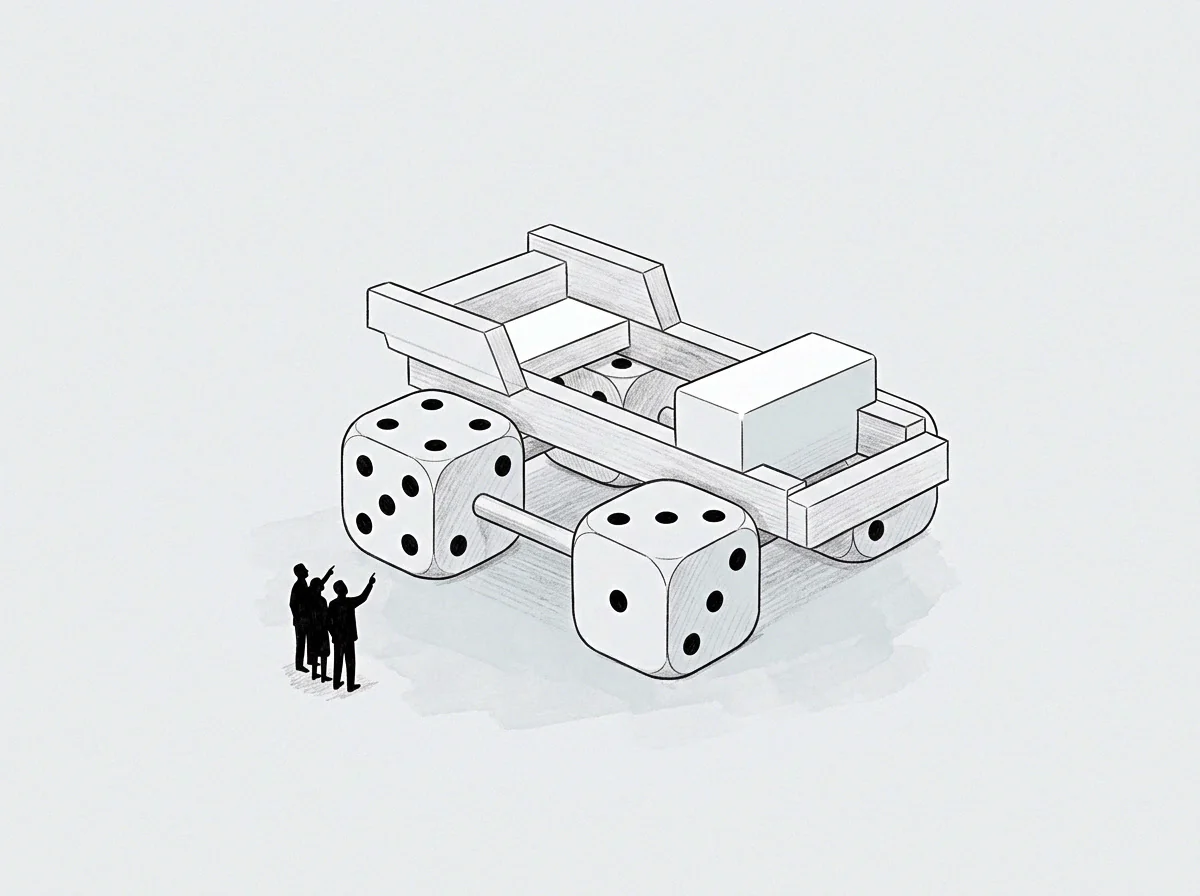
Dynamic equity recalibration clauses convert uncompensated tacit execution hours into equity credits by defining shadow wages that offset milestone forfeiture.

Resolving architecture-governance asymmetry requires instrumenting continuous technical debt telemetry directly into board audit risk charters.
The terms are written where they belong. Each field holds three desks, and every entry a desk writes raises the terms it uses, each term given a meaning, a mechanism and the places it appears. The record on these pages stays first person and hand made; the fields grow the nomenclature.