Meaning
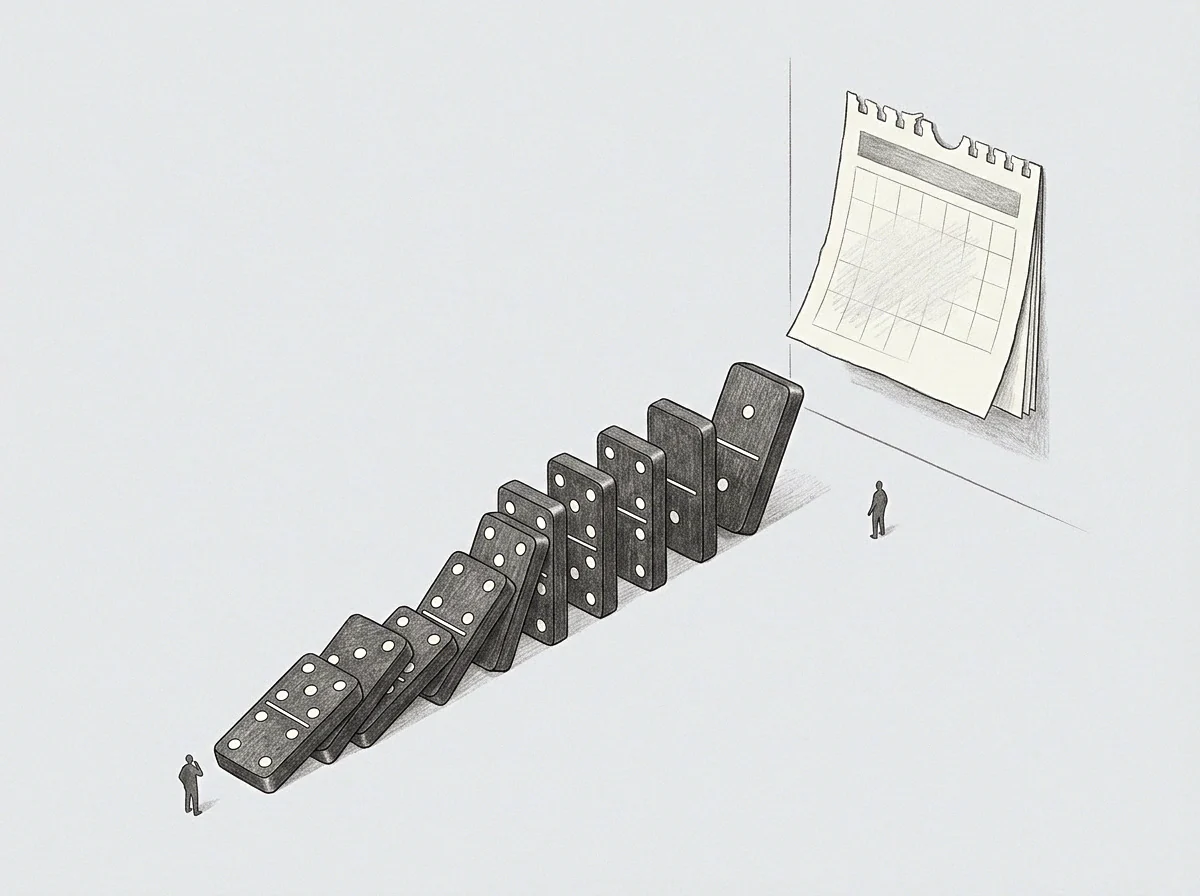
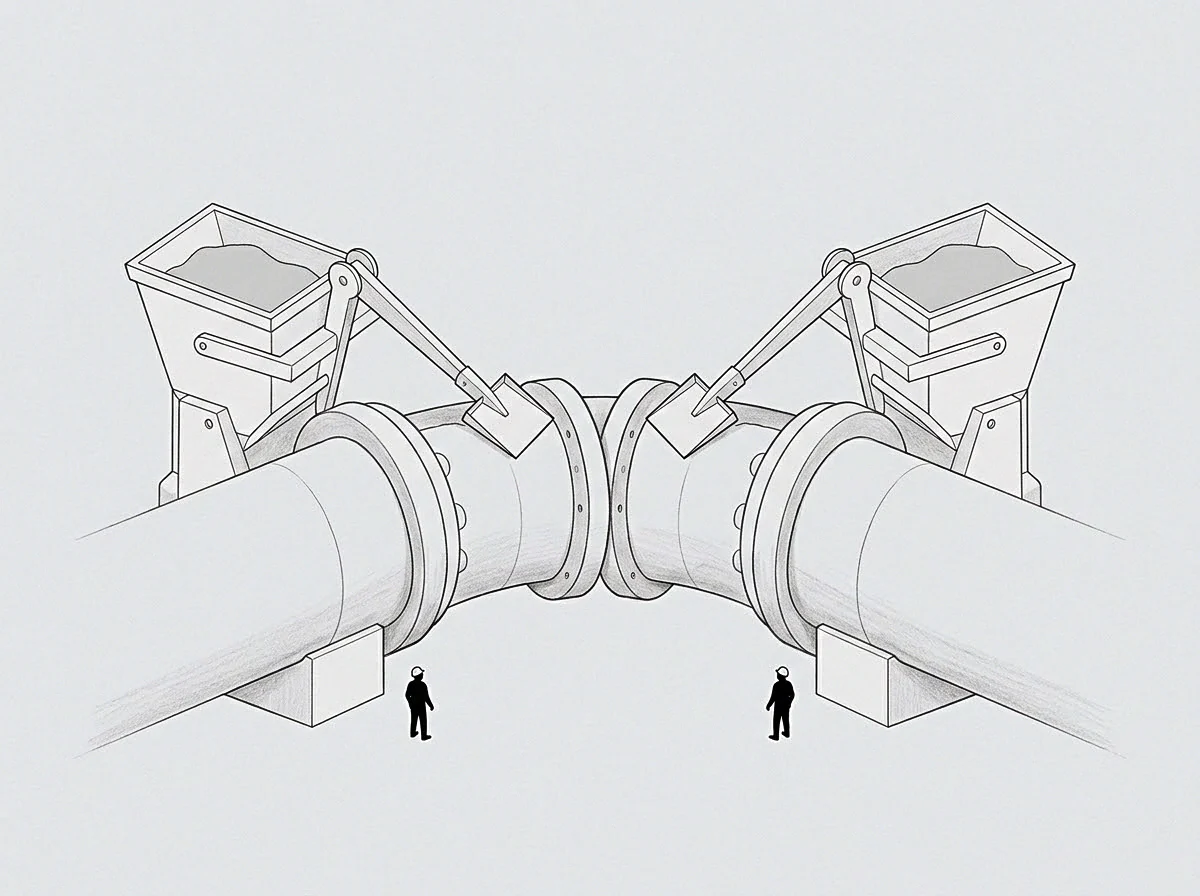
Procedural displacement describes the handover event where unrecorded operating rules migrate from the founder to a successor. The practice of tacit knowledge transfer governs the migration of uncodified working methods during a management transition. Founders hold operating heuristics in memory rather than manuals, which creates a friction point when a new operator enters the seat.
The mechanism stops applying once routines are written down in standard operating procedures.
Operational Migration
Successors face an immediate drain on cognitive capacity when undocumented habits remain inside the founder. Operating habits include timing decisions, supplier negotiation limits and exception handling rules. The incoming manager spends excessive hours decoding unstated constraints because procedures lack explicit documentation.
Physical proximity between outgoing and incoming operators accelerates the absorption of unrecorded norms.
Transition Cost
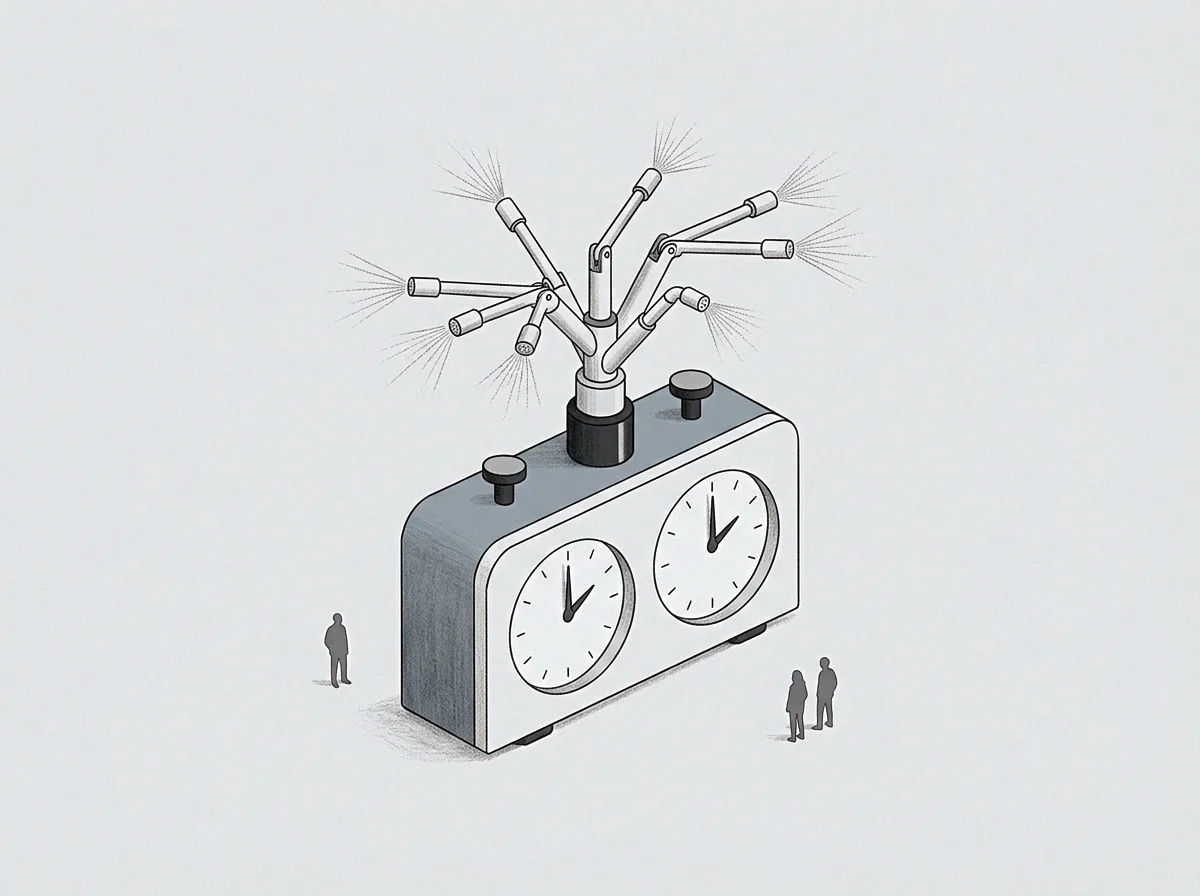
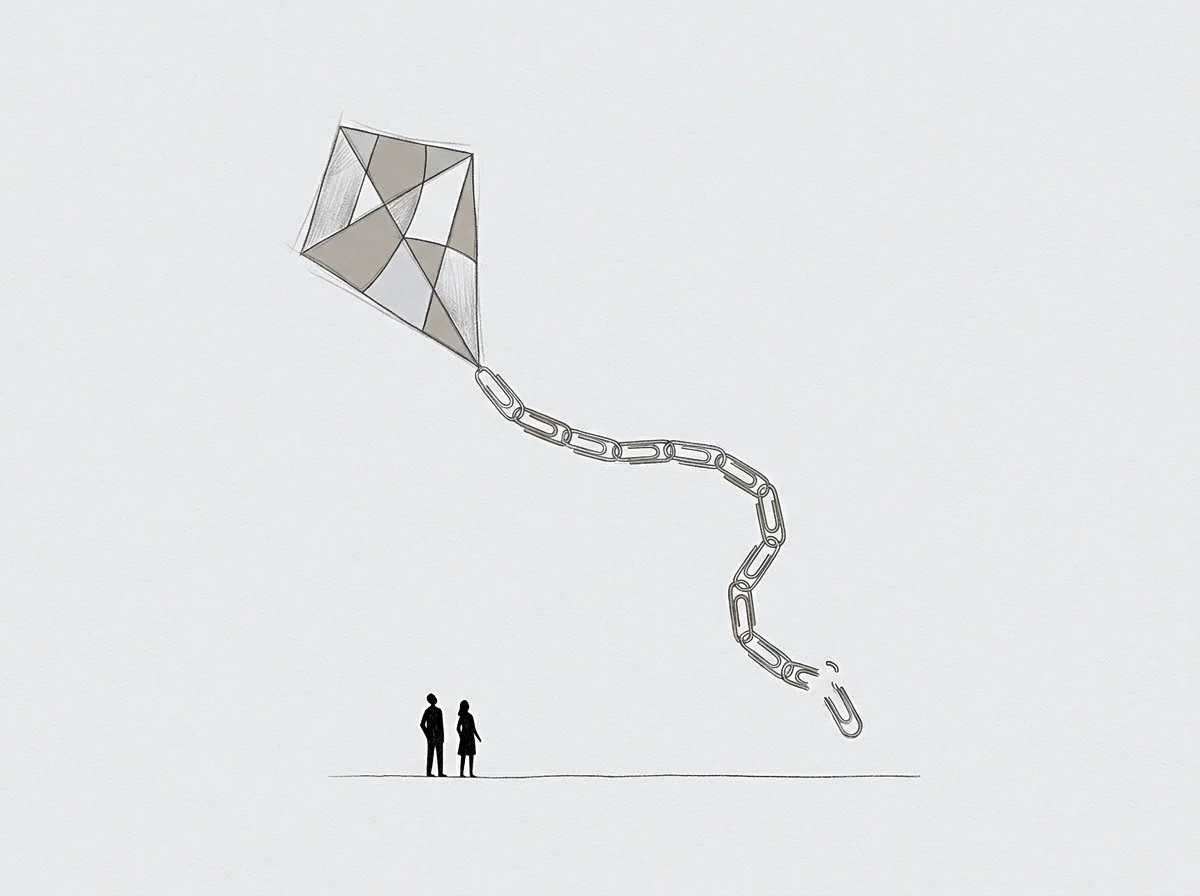
The transfer of hidden working rules consumes valuable attention and energy from the founder. Operating efficiency dips temporarily during the handoff period because the successor lacks direct access to unarticulated memory stores. Founders experience a drop in daily available hours while answering ad hoc operational questions from the new manager.
Financial losses accrue from delayed decisions while the successor learns to mimic unwritten judgment standards.
Succession Boundary
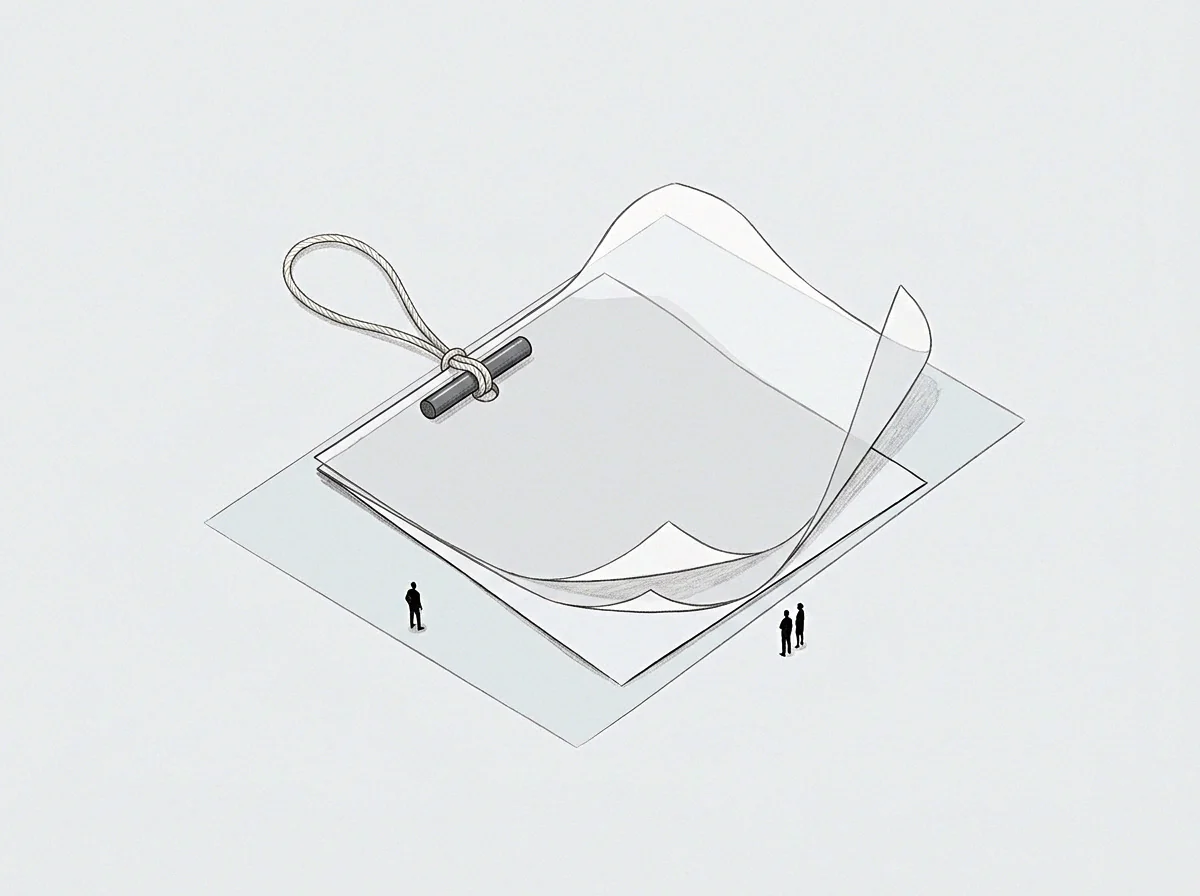
Uncodified working routines fail to migrate successfully when successors rely solely on formal documentation. Operating environments characterized by high volatility break the traditional handover model because static instructions cannot capture fluid problem solving methods. Successors absorb habits faster when the predecessor demonstrates physical tasks directly on the shop floor.
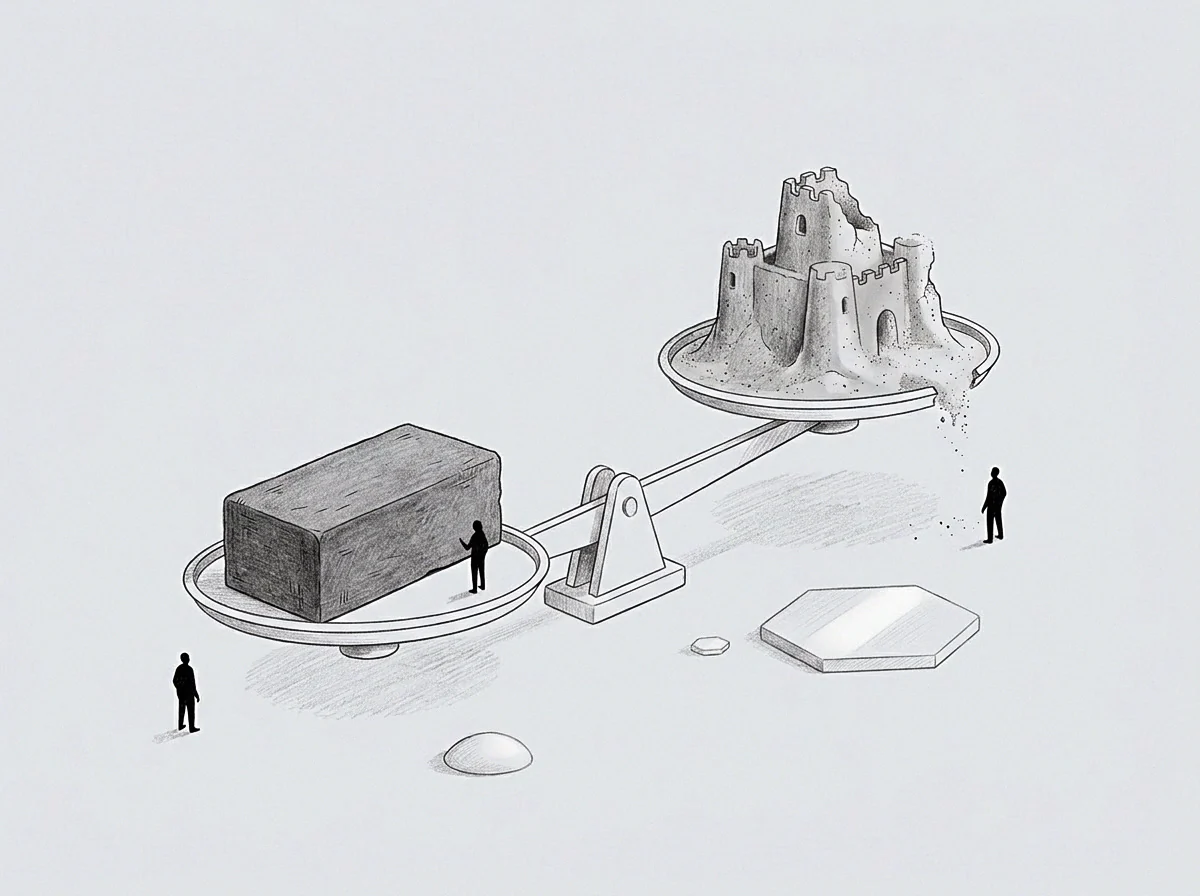
Tacit knowledge transfer concludes permanently when the operating seat changes hands and the successor establishes independent routines.