Meaning
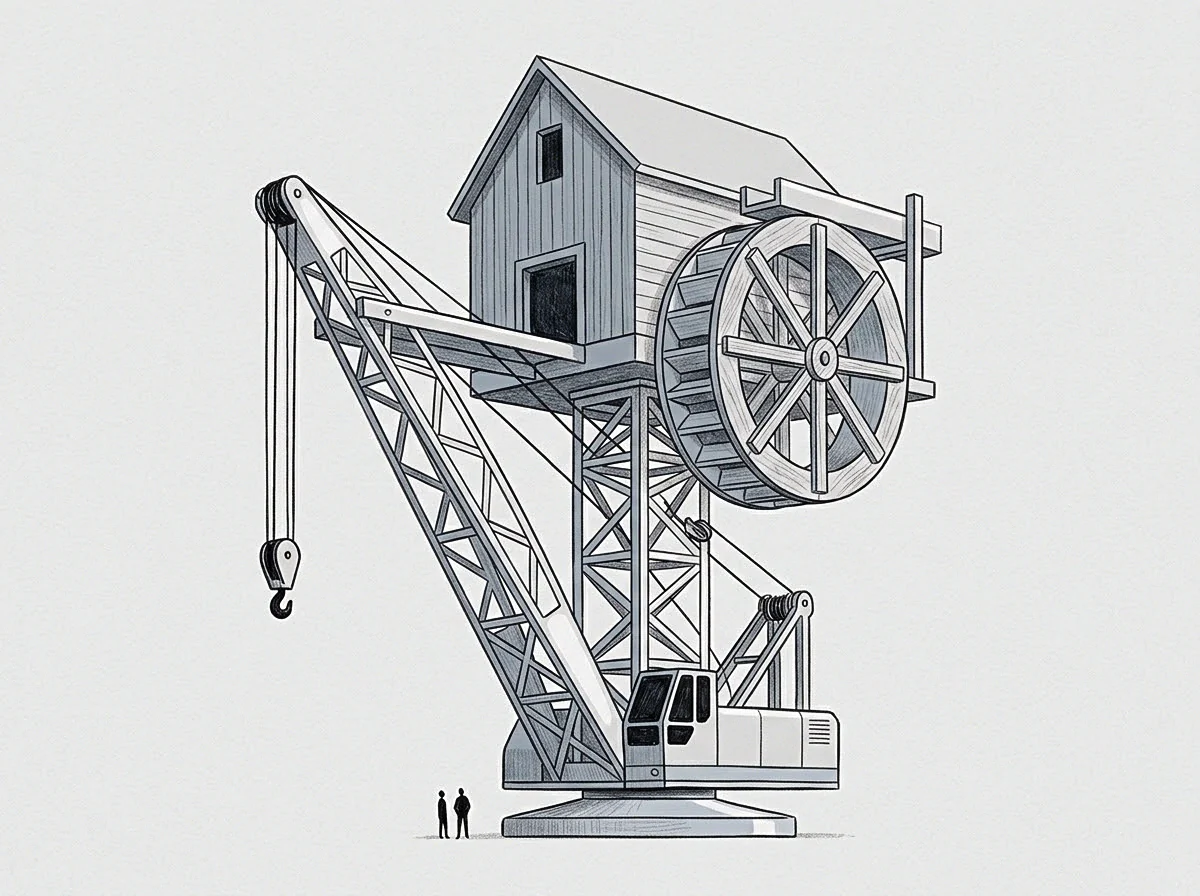
Individual contributors initiate a venture and typically hold multiple operational and ownership seats simultaneously at the start. A founder often performs the work of a technician while also managing the direction of the business. The role evolves as the company grows and more specialized seats are created.
Early Deployment
Direct involvement in every aspect of the firm is necessary during the initial stages. The person must build the product, secure customers, manage accounts and handle the administration.
Psychological Ownership
Intense emotional investment in the success of the company creates a sense of personal identity tied to the brand. This connection makes it difficult to hand over control to professional managers or external buyers. A person in this position often views the organization as an extension of themselves.
Role Evolution
Success requires a shift from doing the work to leading the people who do the work. A founder must eventually decide whether to remain as the chief executive or move into a purely ownership-based seat. Such a transition requires a substantial change in how they spend their hours and energy.
Many struggle to let go of the technical details that originally made the venture successful. The ultimate goal of this evolution is to create a business that can function without the constant presence of its creator.