Meaning
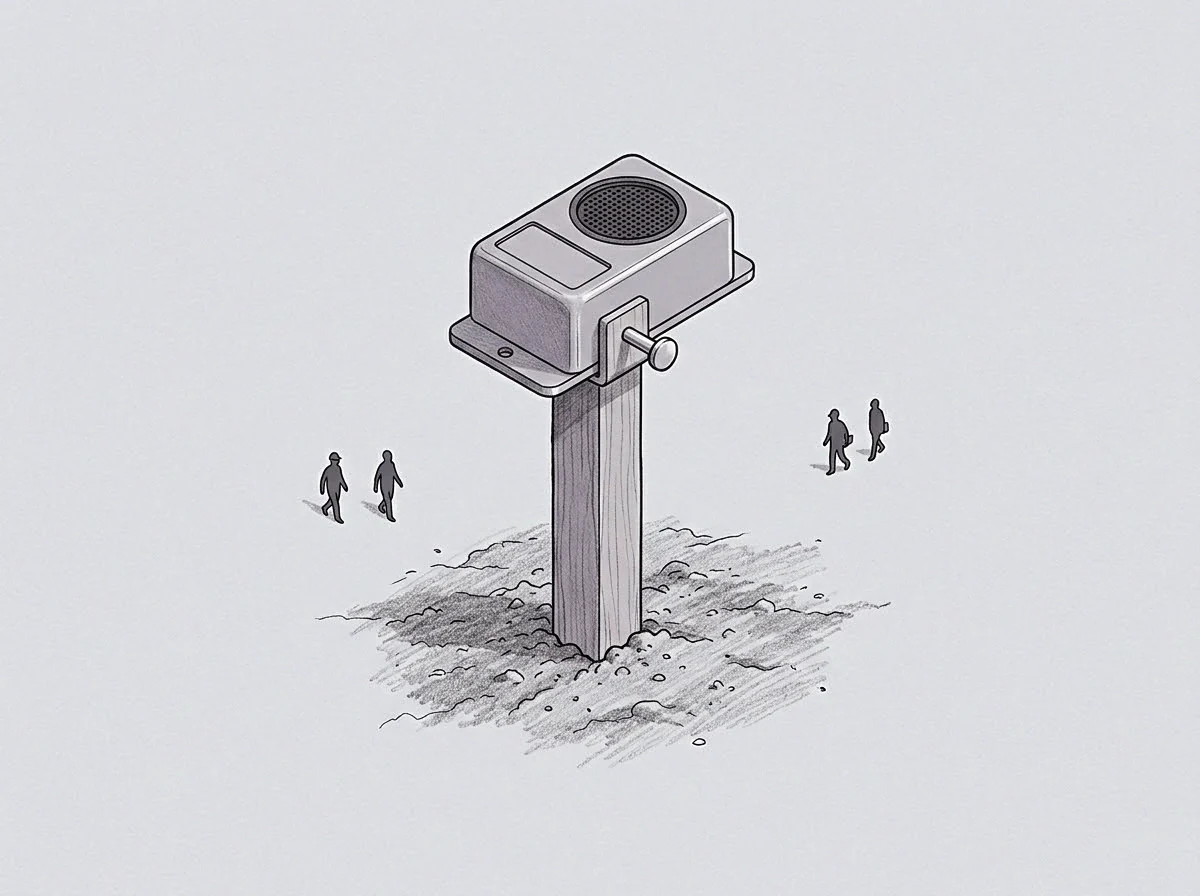
Informal tasks and decision-making processes rely on the unspoken knowledge and experience of a specific individual. Tacit work is never written down in a manual but is essential for the daily functioning of the company. Such work stops being tacit when it is codified into a formal process.
Implicit Knowledge
Understanding how to handle a difficult client or when to push for a sale often comes from years of practice. This information is stored in the person’s head rather than in the company’s database.
Handover Difficulty
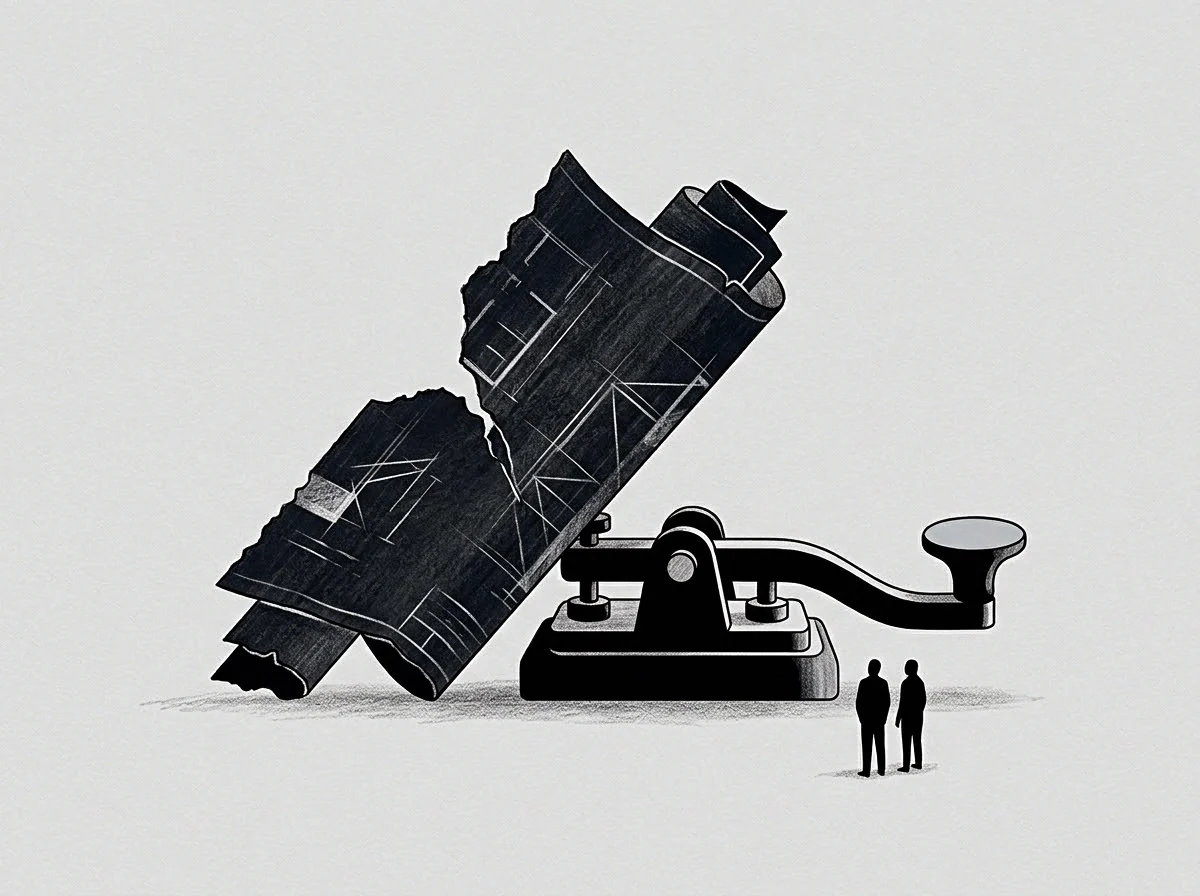
Transferring these responsibilities to a successor is nearly impossible without a long period of shadowing. The new person cannot simply read a guide to understand the nuances of the role.
Operational Fragility
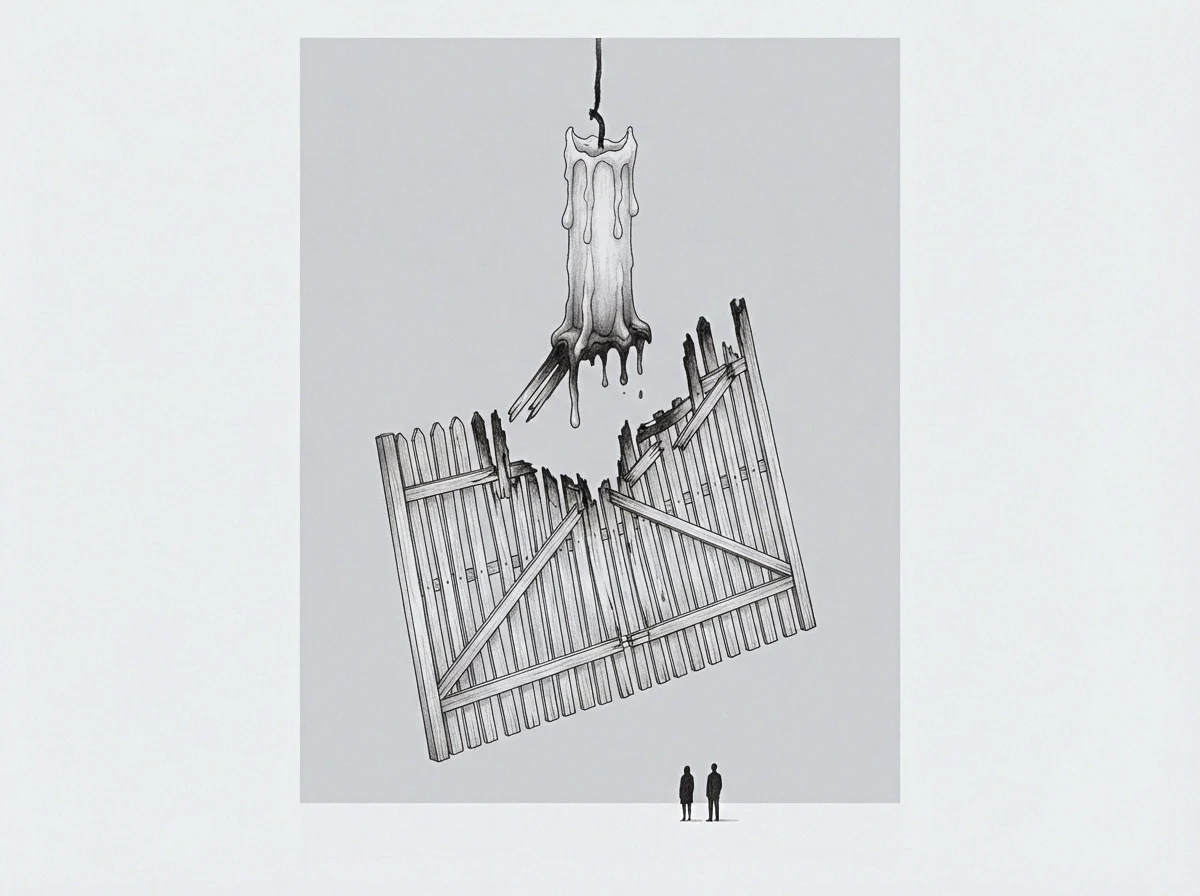
Reliance on undocumented work makes the organization vulnerable if the key person suddenly leaves. A major gap in performance appears because no one else knows the steps required to complete the task. The cost in energy for the person holding this knowledge is the constant need to be available for every minor crisis.
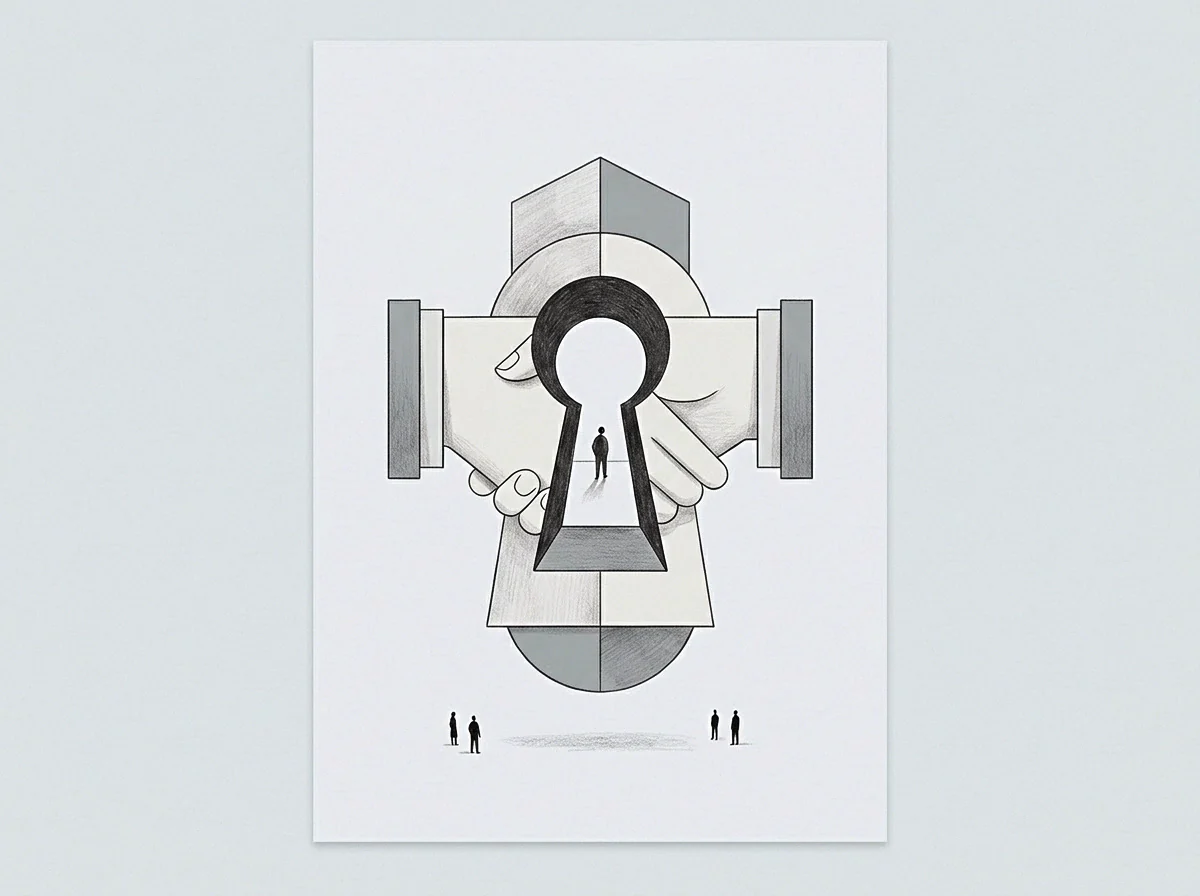
Documenting this work is the only way to build a scalable and resilient business. Tacit knowledge is a valuable asset that becomes a liability when it cannot be shared.