

The Three Seats One Person Occupies After Founding
A single person managing an enterprise holds three distinct structural roles whose conflicting time horizons and operational demands require formal separation.
A single person managing an enterprise holds three distinct structural roles whose conflicting time horizons and operational demands require formal separation.

Contractual delegation extracts tacit operational routines into enforceable service terms, securing enterprise continuity before complete founder equity separation occurs.

Separating core operational positions requires converting tacit daily execution into explicit position charters, market wages, and distinct time allocations.

Operator strain decreases when firms formally separate technician, manager, and owner seats through documented charters, explicit authority limits, and handoffs.

Informal operational regression under sustained enterprise stress collapses managerial capacity into tactical execution, obscuring actual labor costs.
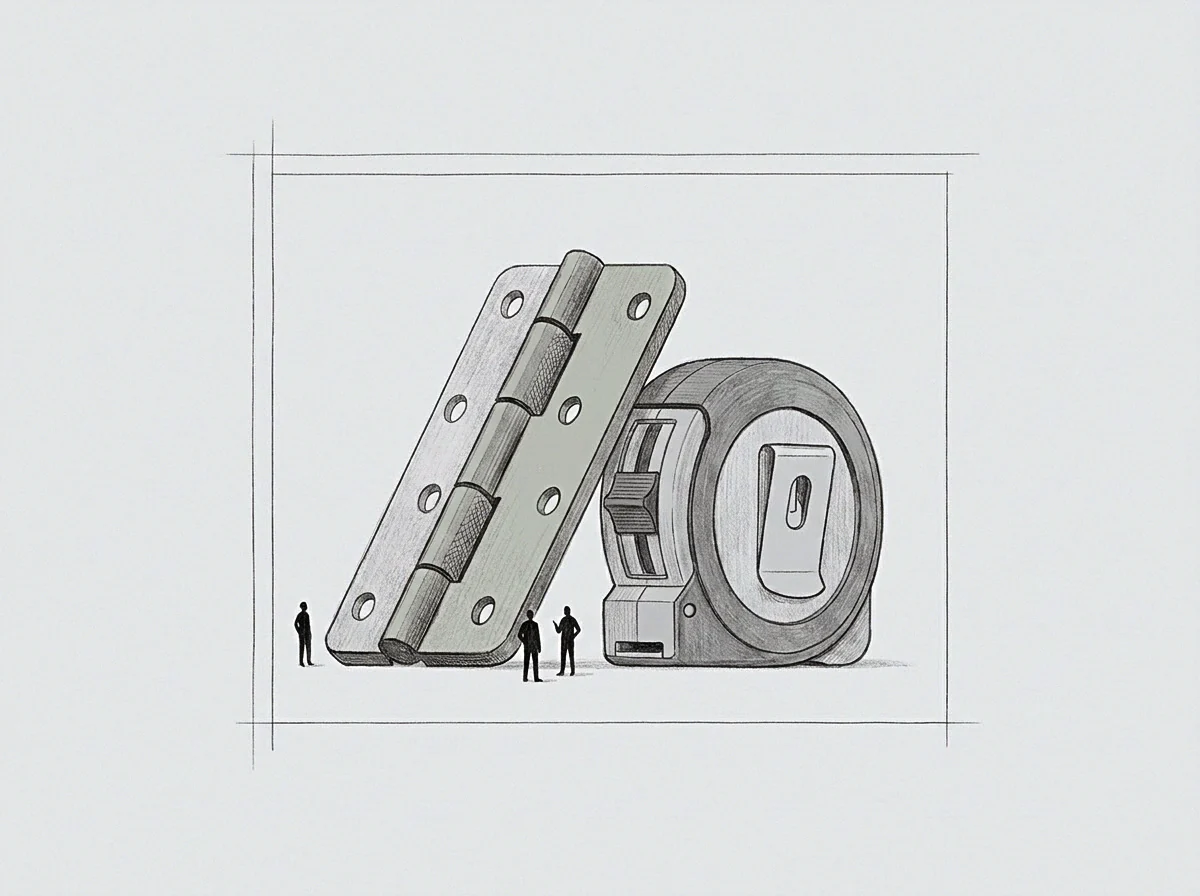
Structural separation establishes distinct operational and legal boundaries between craft production and firm governance to eliminate founder role strain.

Tacit knowledge deficits during founder transitions are resolved by converting mental context into explicit decision logs and revoking execution access.
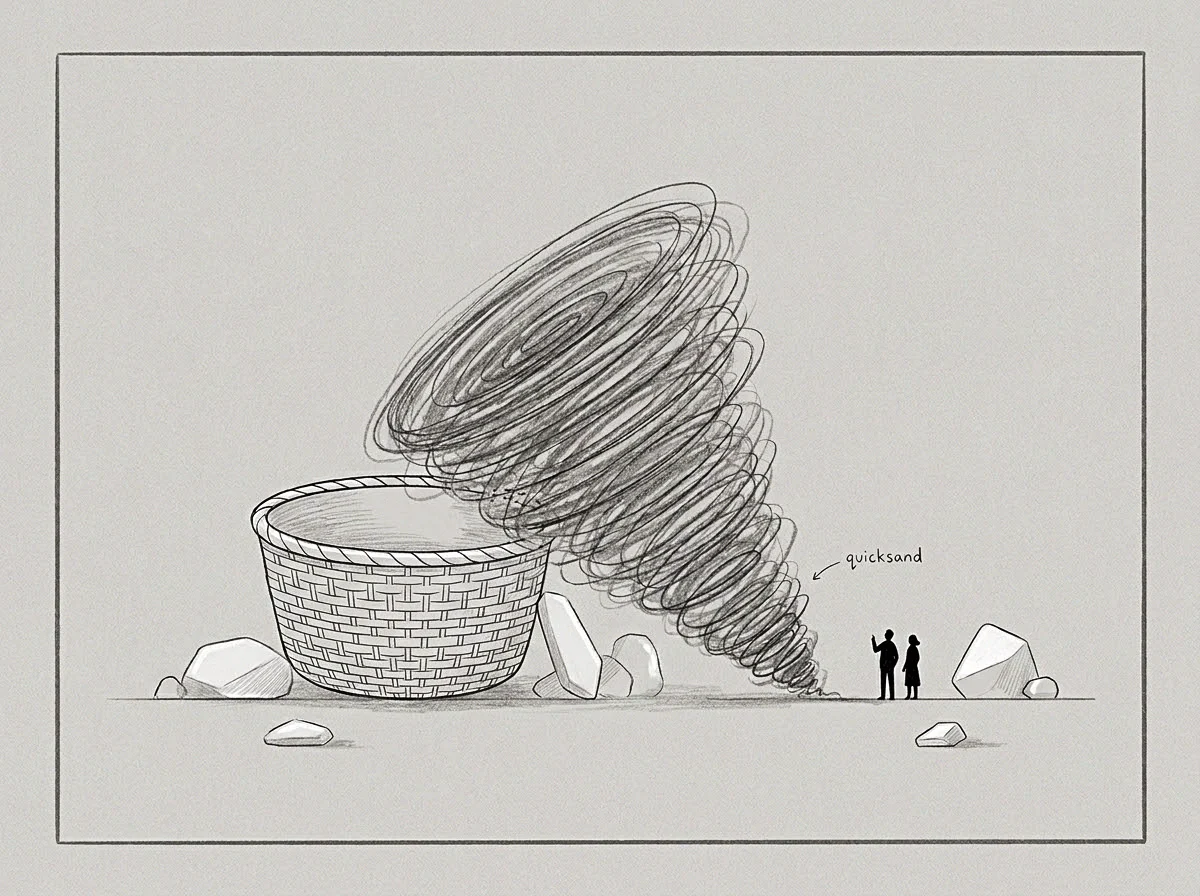
Codifying tacit processes converts person-dependent operational knowledge into enterprise software and standard procedures, eliminating valuation discounts prior to equity exit.

Contractual delegation of unwritten routines transfers tacit operational procedures to successor managers via binding agreements prior to equity sale.

Structural decomposition isolates fused operational functions into distinct seats with explicit governance, preventing role strain and systemic firm failure.

Decoupling separates labor compensation from capital distributions through market rate salaries and distinct governance agreements for non-operating shareholders.

A contractual governance matrix separates multi-seat executive roles into discrete legal obligations triggered by objective operational milestones.

Capital ownership bestows board voting rights while operational seats govern daily decisions, requiring explicit contractual limits to prevent direct equity interference.

Documented role scope survives peak enterprise load by reserving operational buffer capacity, enforcing triage boundaries, and logging emergency overrides.

Role margin enforcement protects executive governance during operational crises by setting contractual hours caps and mandatory circuit breakers.

Informal role boundary erosion forces senior executives into operational task absorption, draining strategic hours through unbudgeted context switching.
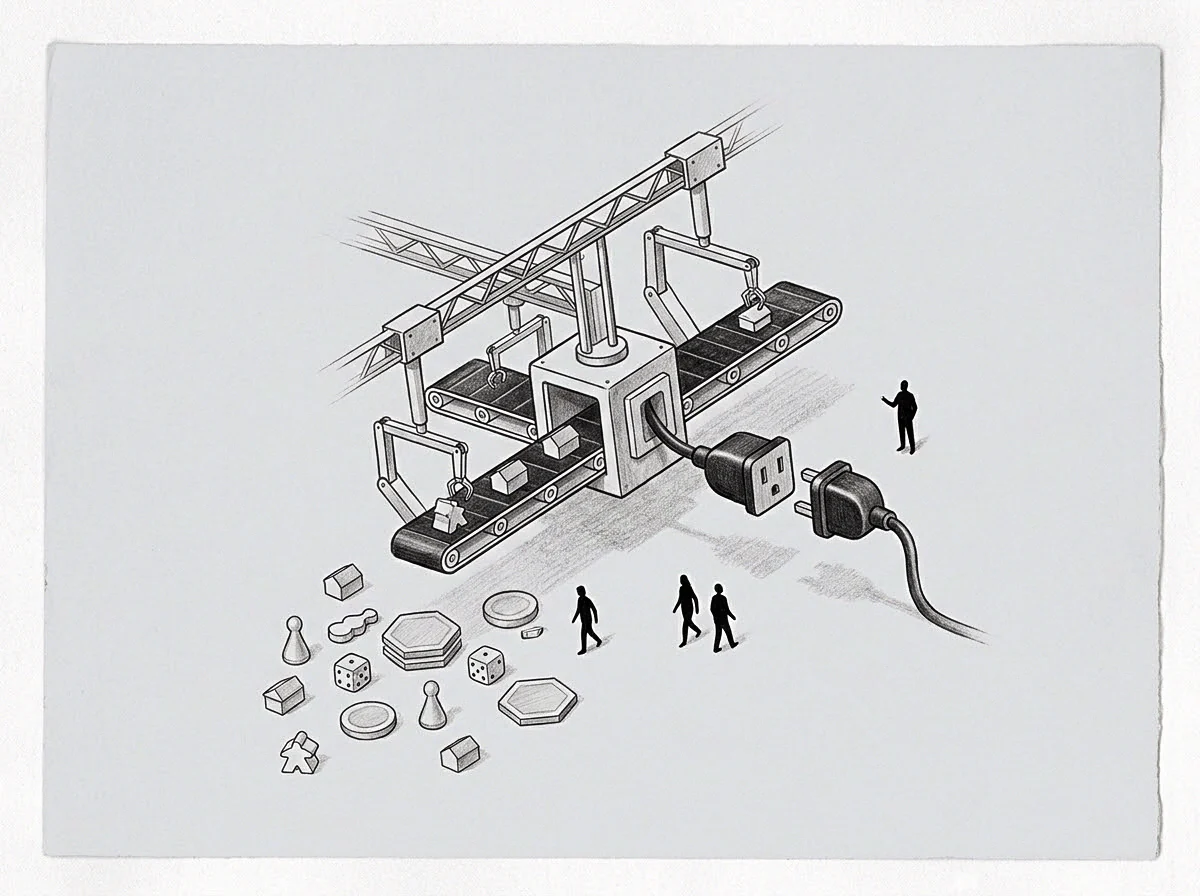
Separating production duties from strategic planning requires contractually bounded hours, explicit role definitions, and market pricing of technical labor.

Operational drift measures the migration of executive attention into tactical technical triage when unresolved product backlogs override governance mandates.

Separating technical labor from firm governance requires pricing operational labor at market rates, isolating weekly hours, and formalizing independent decision rights.

Clean executive engineering reporting seams separate architectural execution from capital allocation using explicit capacity contracts and strategic risk translation.

Converting executive founder common equity into non-voting preferred shares separates historic ownership value from ongoing corporate governance control.

Tacit knowledge friction during technical founder exits generates measurable operational drag, solvable by structured codebase audits and explicit seat boundary terms.

Decoupling technical founders from execution deficits requires formal operational partitioning, production access revocation, and intermediate technical leadership.

Codifying tacit operational workflows into explicit seat definitions eliminates key person dependency discounts during small business equity transactions.

Extracting tacit founder decision rules into explicit operational heuristics eliminates key person acquisition discounts by proving institutional autonomy.

Extracting tacit operational habits into codified procedures converts personal executive labor into institutional enterprise equity before selling shares.

Delegation schedules in small business purchase agreements define functional phase gates, step-down hours, and decision rights for post-closing operational transfer.

Equity divestment without technical and administrative credential revocation preserves de facto manager exposure and apparent agency liabilities.

Enforcing LLC operating agreements during equity conflicts requires applying written vesting, dilution, and dissociation clauses to separate ownership from work.
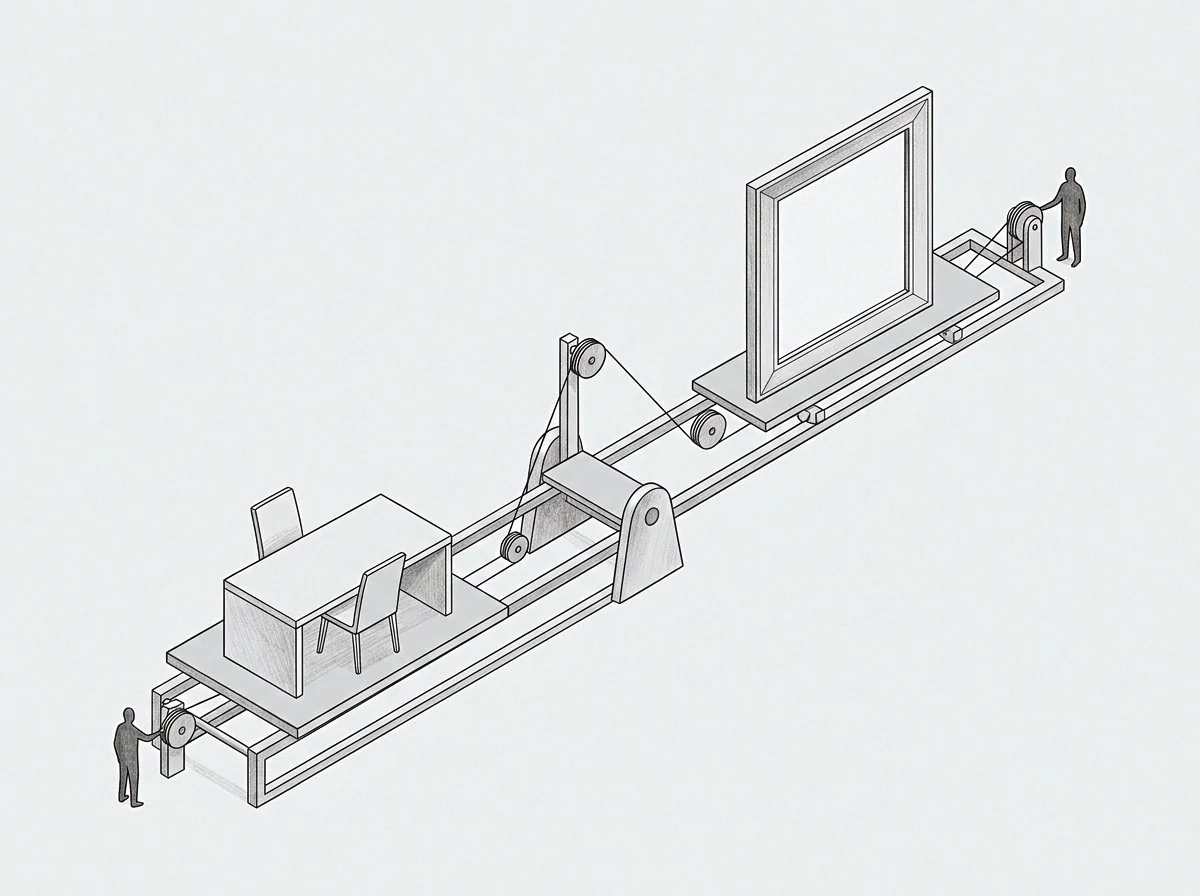
Successor operators resolve retained equity disputes by executing formal stock redemptions or profits interests that decouple historical equity from governance.
The terms are written where they belong. Each field holds three desks, and every entry a desk writes raises the terms it uses, each term given a meaning, a mechanism and the places it appears. The record on these pages stays first person and hand made; the fields grow the nomenclature.